
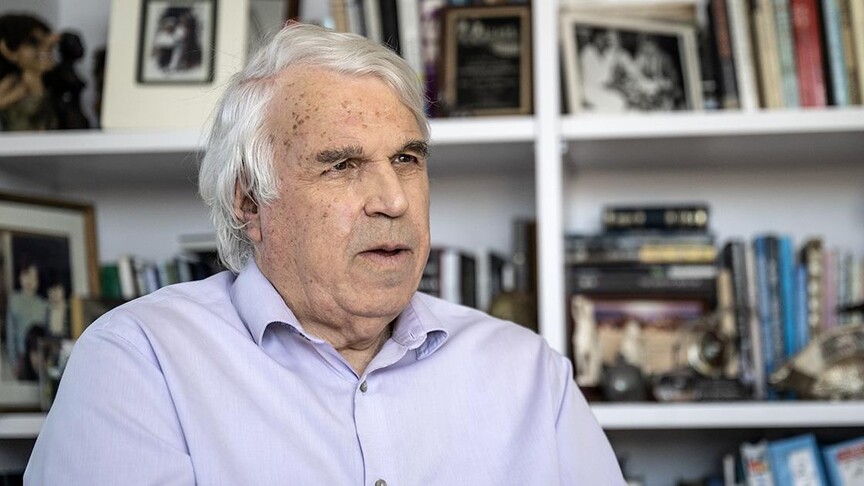
The ongoing consequences of Israel’s conflict with Gaza have profoundly altered the landscape of Israeli society and its global relationships. Three years after the outbreak of hostilities, former diplomat Alon Liel shared with Anadolu that public sentiments toward Palestinians have grown more hardened, sidelining the conversation about peace in Israeli political discourse.
Pessimism on the Path to Peace
The absence of dialogue surrounding peace is concerning. According to Liel, “The word peace disappeared,” signifying a stark shift in focus away from potential resolutions. Recent data from a Pew Research Center survey illustrates this shift; only 17% of Israelis believe an independent Palestinian state can coexist peacefully with Israel, while a majority of 56% now view that coexistence as impossible. This growing pessimism creates significant obstacles for future negotiations. Liel warns that unless public sentiment shifts, even a new government is unlikely to prioritize discussions on peace. Politicians, aware of this public mood, may hesitate to address peace-related topics for fear of losing voter support.
Shifting Political Landscape
Israel has experienced a marked drift to the right in its political climate, a trend accelerated by the ongoing war. A 2022 survey by the Israel Democracy Institute indicated that 62% of Israelis identified politically with the right. This transformation has implications for electoral trends, especially in light of the heightened focus on foreign affairs and security concerns. An Israel Democracy Institute poll found that 68% of Israelis viewed recent attacks as central to their voting decisions, signaling the significance of security over economic issues in their priorities. However, this rightward shift does not guarantee unwavering support for Prime Minister Netanyahu’s coalition, with polls indicating potential losses for his party in upcoming elections.
Regional Instability
The conflict’s ripple effects have not confined themselves to Gaza; they have rekindled hostilities with Hezbollah in Lebanon and intensified confrontations with Iran. Israeli military actions in southern Lebanon persist despite calls for ceasefires, highlighting an unstable regional atmosphere. Public support for military operations against Iran remains high, with 82% backing these actions, according to a March survey by the Israel Democracy Institute. Liel cautions that a continued shift to the right may exacerbate regional tensions, leading to further conflicts not only with Palestinians but also with neighboring countries such as Lebanon and Syria.
Social Division and Dissent
The war has intensified societal divisions within Israel, particularly between Jewish and Arab citizens. Tensions have emerged regarding Palestinian political representation, as seen when Balad leader Sami Abu Shehadeh withdrew his candidacy to avoid the ramifications of a likely disqualification. The legal organization Adalah remarked that this action was a strategic decision to prevent setting a damaging precedent. Reports from Human Rights Watch indicate a troubling increase in violence against Palestinian communities and Christians within Israel, with documented incidents indicating widespread hostility. The art community has not been immune; filmmakers critical of the Gaza war, such as Yuval Abraham and Rachel Szor, faced threats regarding their citizenship due to perceived disloyalty.
In conclusion, the long-lasting effects of Israel’s recent conflicts illustrate a turning tide in both public sentiment and international relations. The diminishing hope for peace, the rightward political shift, escalating regional tensions, and growing divisions within society signal a challenging landscape for any future attempts at reconciliation. As attitudes evolve, the risk of further conflict remains a pressing concern for both Israelis and Palestinians alike.