
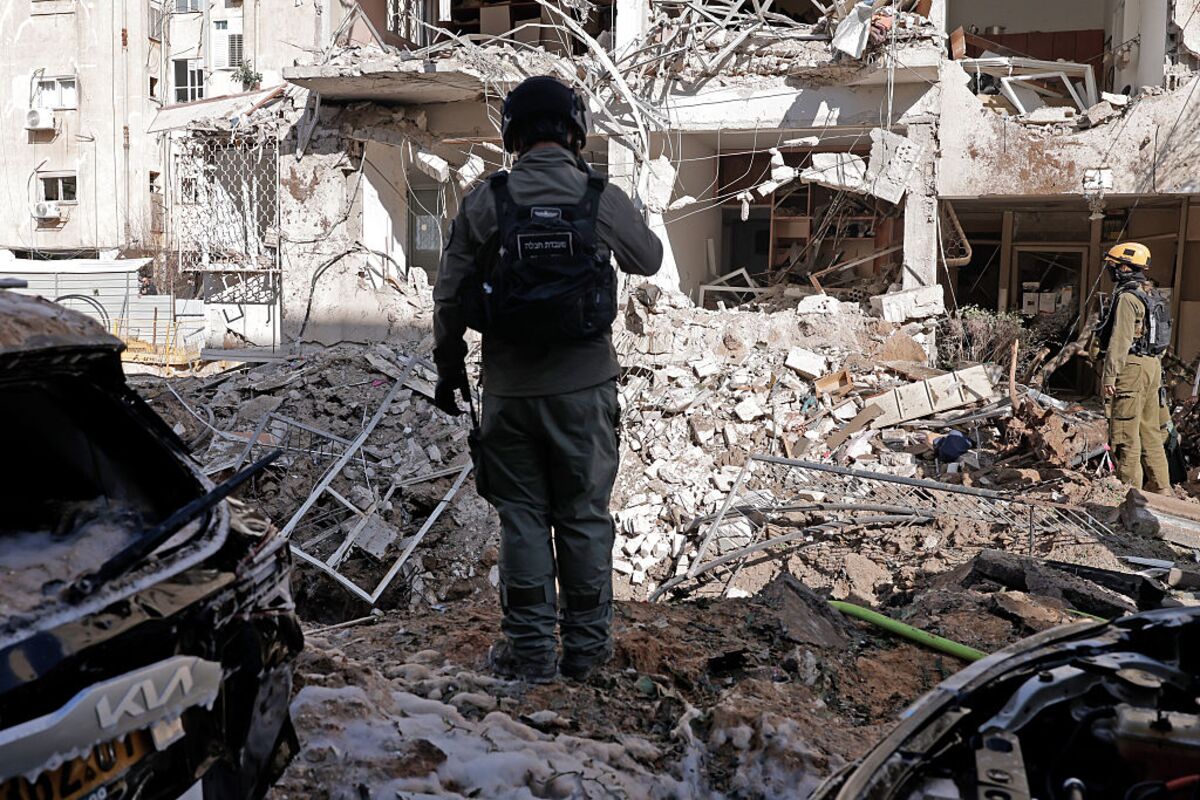
In recent weeks, tensions between Israel and Iran have skyrocketed, reigniting fears of conflict in the region. Following a contentious phone call between former President Donald Trump and Israeli Prime Minister Benjamin Netanyahu, the geopolitical landscape has shifted dramatically. This burgeoning military escalation poses significant challenges for diplomatic efforts aimed at achieving peace.
The Fallout of Diplomatic Tensions
The relationship between Trump and Netanyahu has been marked by both camaraderie and contention. The recent exchange reportedly included heated remarks as Trump expressed his frustration over Israeli actions that undermined U.S. foreign policy initiatives. With Iran ramping up its military operations, the delicate balance that had been maintained in the region is increasingly precarious. Analysts suggest that Trump’s exasperation stems from his broader strategy to reduce American involvement in Middle Eastern conflicts, a plan now jeopardized by renewed hostilities.
Implications for U.S. Foreign Policy
As tensions rise, the implications for U.S. foreign policy are significant. The U.S. has long been an ally of Israel, but its interests require a nuanced approach in light of the escalating situation with Iran. Many experts believe that the U.S. should focus on de-escalation strategies rather than allowing conflicts to spiral out of control. This includes bolstering diplomatic channels and engaging with various stakeholders in the region. Yet, the reality is that military actions often overshadow diplomatic efforts, making it challenging for the U.S. to maintain its position as a mediator.
The Risk of Militarization
The potential for increased militarization in the region raises alarming prospects. Should Israel continue its military maneuvers in response to Iranian provocations, a cycle of retaliation could emerge, complicating any chances for peace. The repercussions could extend beyond the borders of the Middle East, affecting global oil markets and drawing in other nations. A fresh outbreak of hostilities could further entangle the U.S., raising questions about its military commitments and strategic alliances.
Challenges Ahead
In this complex environment, the challenges ahead for U.S. leadership are significant. As tensions mount, the need for effective communication channels becomes even more critical. The American administration must navigate these turbulent waters with caution to avoid exacerbating the situation. Engaging in backdoor diplomacy and fostering dialogues could provide the groundwork necessary for a more stable approach to the Israel-Iran conflict. The stakes are high, and the need for a balanced, strategic response is more pressing than ever.
In summary, the recent escalation between Israel and Iran has unveiled more than just a breakdown in relations; it poses a direct threat to U.S. foreign policy and peace efforts in the Middle East. With the world watching, the coming weeks will likely determine whether diplomatic channels can prevail over military escalation.