
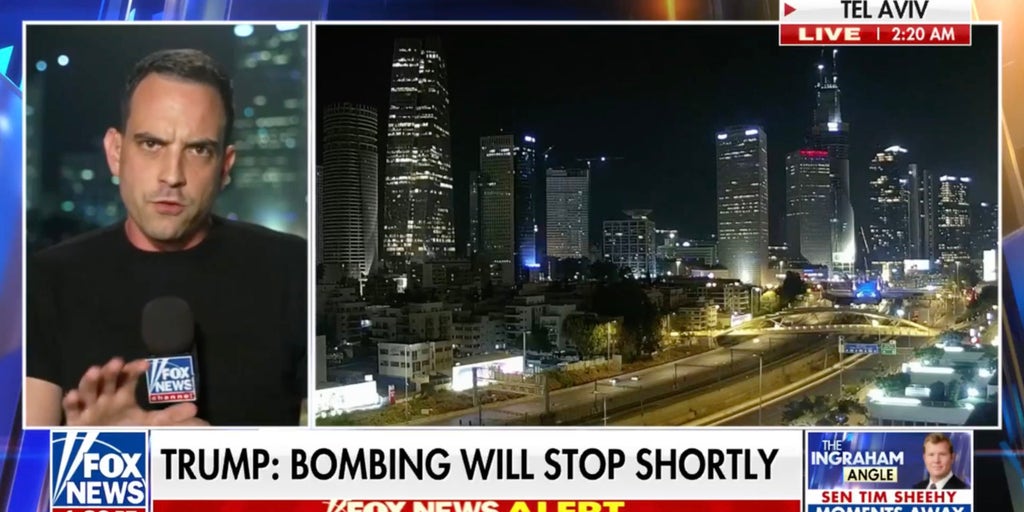
In a rapidly changing geopolitical landscape, discussions surrounding U.S.-Iran relations continue to hold significant weight. The Trump administration’s approach to Iran has sparked considerable debate, particularly regarding the potential for military interventions and diplomatic negotiations. Understanding the concessions sought by the U.S. can shed light on the ongoing tensions and the future of international relations involving Iran.
The U.S. Stance on Iran
The U.S. government has adopted a firm stance against Iran, particularly with concerns over its nuclear program and regional behavior. In an effort to deter Iran’s ambitions, the Trump administration has employed a strategy of intense pressure, aiming to secure key concessions. These concessions typically revolve around limiting Iran’s nuclear capabilities, curbing its missile production, and addressing its support for militant groups in the region. Understanding these objectives provides insight into the broader goals of U.S. foreign policy in the Middle East.
Key Concessions and Their Implications
Central to the Trump administration’s negotiations are several crucial concessions. First, there is a push for Iran to abandon its nuclear enrichment activities entirely. The U.S. seeks assurance that Tehran will not pursue any pathway to developing nuclear weapons, which poses a direct threat to regional stability. Additionally, there are demands for the dismantling of Iran’s ballistic missile program, limiting its ability to project power across the region. These concessions are significant not only for U.S. interests but also for the security of America’s allies, particularly Israel and Gulf states.
Moreover, the U.S. aims to alter Iran’s behavior concerning its support for various militant groups. This includes Hezbollah in Lebanon and various factions in Iraq and Syria, which the U.S. sees as destabilizing forces. By addressing these issues, the Trump administration hopes to reshape the power dynamics in the Middle East and enhance the security of its allies. The implications of these negotiations extend beyond the immediate fallout; they impact global oil markets, international relations, and the strategic balance in the region.
Potential Outcomes of Negotiations
As negotiations continue, the potential outcomes remain uncertain. On one hand, securing robust concessions from Iran could lead to a more stable Middle East, benefiting both U.S. interests and those of its allies. On the flip side, failure to achieve meaningful agreements may escalate tensions, leading to more military confrontations and further complications in U.S.-Iran relations. The stakes are incredibly high, with the possibility of military intervention looming large if diplomatic efforts fall short.
Ultimately, the direction of U.S.-Iran relations will depend on the willingness of both sides to engage in constructive dialogue. The Trump administration’s strategy may redefine how countries approach negotiations with hostile nations, highlighting the importance of clear objectives and firm stances. As the situation continues to evolve, stakeholders worldwide will watch closely, aware that the outcomes could reverberate far beyond the Middle East.
In conclusion, the negotiations between the U.S. and Iran and the concessions sought by the Trump administration are pivotal in shaping the future of international relations and regional stability. By focusing on nuclear capabilities, missile programs, and support for militant groups, the U.S. aims to not only safeguard its own interests but also enhance security for its allies. The consequences of these discussions will be felt for years to come, underscoring the critical importance of diplomacy in an increasingly complex global landscape.