
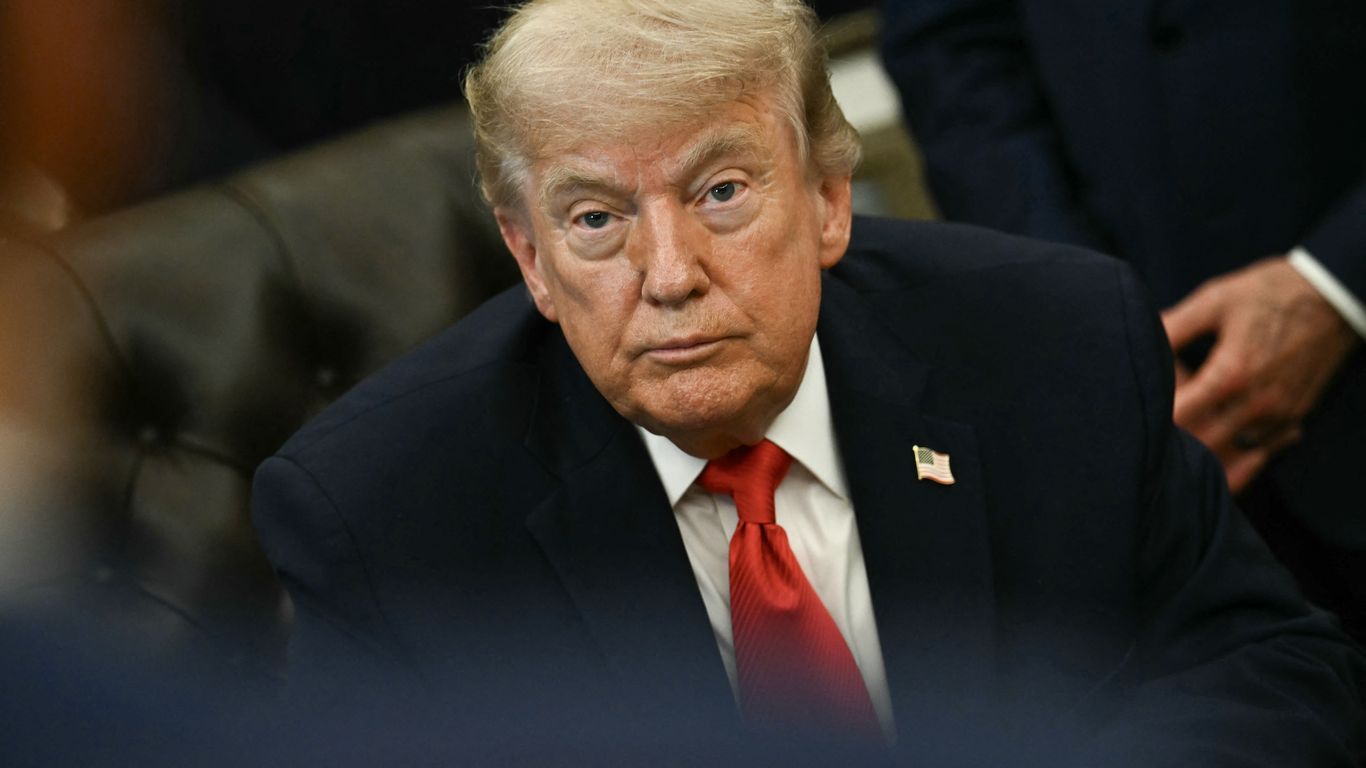
Former President Donald Trump expressed frustration towards Israeli Prime Minister Benjamin Netanyahu, illustrating a complex relationship that has evolved over the years. This exchange highlights the multiple layers of diplomacy and personal dynamics that can influence international relations, particularly between the United States and Israel.
Understanding the Trump-Netanyahu Relationship
The rapport between Trump and Netanyahu has always been a blend of political alliance and personal kinship. Their bond was notably strengthened during Trump’s presidency, which saw significant developments such as the recognition of Jerusalem as Israel’s capital and the Abraham Accords. However, Netanyahu’s perceived lack of gratitude for these decisions seems to have strained their relationship. Trump’s expectations for unwavering loyalty may set the stage for future diplomatic dialogues, as leaders navigate their roles on the global stage.
The Influence of Personal Dynamics on Political Alliances
Political relationships often hinge on personal interactions. Trump’s frustrations with Netanyahu reveal how individual personalities can impact diplomatic ties. The two leaders initially shared a mutual admiration, but tensions have surfaced, especially as Netanyahu faces challenges domestically. The notion of gratitude and recognition in international relations underscores how emotions play a pivotal role in global diplomacy. As both leaders engage with their respective political landscapes, the way they handle their personal dynamics will significantly shape their future interactions.
The Broader Implications for U.S.-Israel Relations
The ongoing tug-of-war in the Trump-Netanyahu relationship could have broader implications for U.S.-Israel relations. If political leaders allow personal grievances to influence their countries’ diplomatic engagements, it may lead to shifts in longstanding alliances. The U.S. has a history of supporting Israel, but how leaders manage their interpersonal relations will dictate the future trajectory of this partnership. Both nations must navigate this complex landscape carefully to maintain their strategic alliance, particularly in a world where geopolitical tensions continue to escalate.
Looking Ahead: The Future of Diplomacy
As Trump and Netanyahu continue to grapple with their interpersonal tensions, the future of U.S.-Israel relations rests on their ability to repair and strengthen their alliance. Communication and mutual respect are vital in overcoming personal differences and ensuring cooperation on critical issues. Whether Trump returns to the political arena with aspirations for another presidential term remains to be seen, but his approach to foreign policy could redefine the significance of personal relationships in diplomacy. For now, both leaders must prioritize their nations’ interests while navigating their complex relationship.
In conclusion, examining the nuances of the Trump-Netanyahu dynamic reveals the intricate layers of diplomacy. Understanding how personal relationships can shape international relations is essential for predicting future developments in U.S.-Israel ties.