
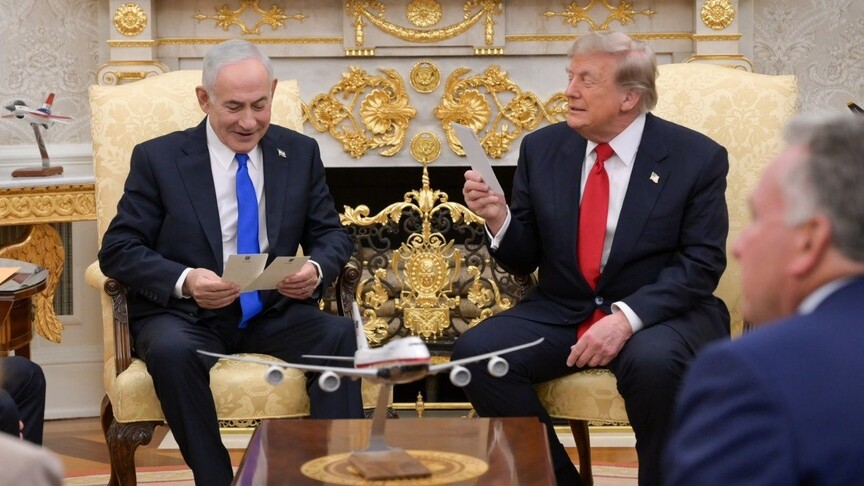
In recent weeks, discussions among senior advisors to former President Donald Trump have highlighted growing concerns about Israeli Prime Minister Benjamin Netanyahu’s leadership. Despite Trump’s public support for Netanyahu as Israel heads into elections, many in Trump’s circle are contemplating the potential for a more cooperative Israeli government free from Netanyahu’s influence.
Rising Discontent Among Trump’s Inner Circle
According to sources, dissatisfaction with Netanyahu has surged within Trump’s advisory team, particularly in the aftermath of the conflict with Iran. This discontent stems from a perceived misalignment between Netanyahu’s assessments and the broader Middle Eastern strategies favored by Washington. Over the last six months, trusted officials, including Vice President JD Vance, have expressed their disillusionment with Netanyahu’s handling of various key issues.
Vance voiced his reluctance to endorse Netanyahu when asked about the election, emphasizing that Trump’s stance holds more significance. Many of Trump’s insiders share his view, raising alarms about Israel’s ongoing policies regarding Gaza, Syria, Lebanon, and the occupied West Bank. Their concerns include Netanyahu’s hesitance to advance Trump’s peace initiatives for Gaza and address settler violence against Palestinians.
Frustration Over Diplomatic Delays
The frustrations aren’t limited to political assessments; key Trump envoys have also voiced their dissatisfaction over delays in critical diplomatic initiatives. Figures like Steve Witkoff and Jared Kushner have specifically noted obstacles in implementing the Gaza peace plan, while Tom Barrack has concerns regarding Israeli military actions in Syria. Additionally, Secretary of State Marco Rubio’s team believes that Israel could play a more constructive role in bolstering the Lebanese government.
These ongoing issues have led some advisors to speculate that a new Israeli administration, devoid of Netanyahu’s far-right coalition partners, could pave the way for more flexible diplomatic engagements. This change may enable the U.S. to pursue strategic agreements across the region more effectively.
Trump’s Continued Support for Netanyahu
Despite the rising tensions and differing viewpoints within his advisory team, Trump publicly reaffirmed his backing for Netanyahu just days ago. He warned that Netanyahu’s defeat could carry significant repercussions for U.S.-Israel relations. This duality in approach raises questions about the future direction of the U.S.’s relationship with Israel, especially as policymakers weigh the costs and benefits of continued alignment with Netanyahu.
The contrasting views on Netanyahu reveal a critical juncture for U.S.-Israeli ties. Prospective changes in Israeli leadership could create opportunities for a more amenable partnership, particularly if a government emerges that aligns more closely with American diplomatic objectives in the Middle East.
In conclusion, the dynamics within the Trump administration regarding Israel highlight a significant shift in perspective. As officials consider the implications of Netanyahu’s potential ousting, the discussions underscore a desire for a more flexible Israeli leadership that may prove conducive to advancing regional peace and stability. The evolving narrative could reshape not only Israeli politics but also the broader landscape of U.S.-Middle East relations.