
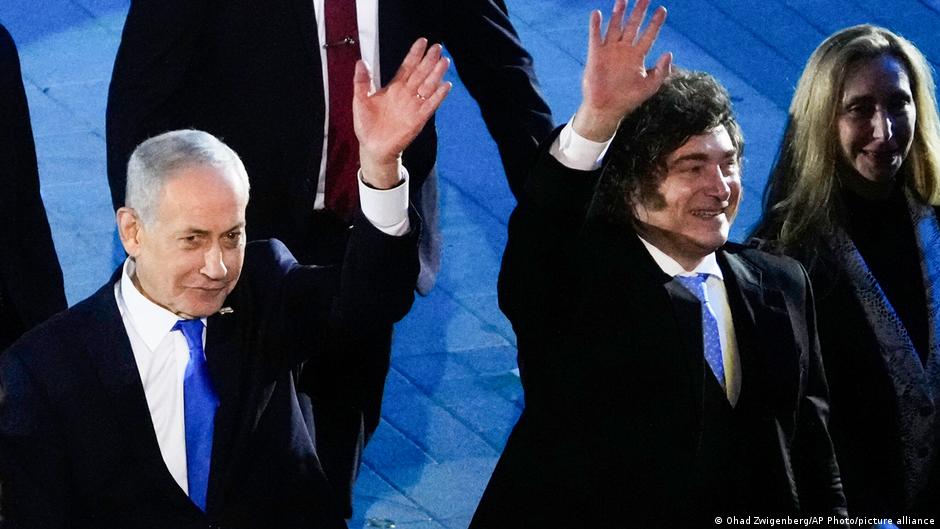
In recent years, the diplomatic landscape between Israel and various Latin American nations has begun to shift. This change follows long-standing historical grievances, as evidenced by past military offensives and shifts in government leadership. Countries that once severed ties with Israel appear to be reexamining their relationships, a notable development in the context of global politics.
Historical Context of Diplomatic Relations
The backdrop to these changing tides can be traced back to significant events, including the intense military conflict in the Gaza Strip in 2009, which resulted in the deaths of more than 1,400 individuals, predominantly civilians. This tragedy led then-Venezuelan President Hugo Chávez to expel Israel’s ambassador and terminate diplomatic relations. However, recent developments indicate a move towards rapprochement, with Venezuela agreeing to reestablish consular services with Israel—an unforeseen advancement given the previous hostility.
Similarly, Colombia has experienced a significant political transformation. Under President Abelardo de la Espriella, the country has quickly reversed his predecessor Gustavo Petro’s decision to sever ties with Israel over its military actions in Gaza. The new administration’s commitment to relocating the Colombian embassy to Jerusalem further solidifies this shift, making Colombia one of the few nations to recognize Israel’s sovereignty over the Golan Heights, which remains a contentious issue under international law.
The Rise of Right-Wing Governments
The trend toward closer ties with Israel is often associated with a rise in right-wing governments across Latin America. Experts, like Isaac Caro from Alberto Hurtado University in Chile, note that authoritarian regimes are increasingly aligning with Israeli policies, signaling an engagement with U.S. foreign policy objectives. This alliance has emerged as a defining feature of the radical right in Latin America, rooted in a renewed discourse of cultural alignment with Western, particularly Judeo-Christian, values.
Countries like Argentina, under ultraconservative President Javier Milei, exemplify this trend. Milei not only emphasizes strong ties with Israel as a particular point of his foreign policy but also seeks to position himself favorably within the geopolitical landscape.
Contrasting Stances Among Latin American Nations
While certain nations are warming to Israel, others maintain a critical stance. For instance, Brazil’s President Luiz Inacio Lula da Silva has expressed substantial criticism of Israel’s military actions in Gaza and the West Bank, serving as a counterbalance to the warming relations observed in neighboring countries. Brazil’s significant demographic and economic stature further amplifies its stance against Israeli policies.
Mexico, under President Claudia Sheinbaum, also navigates a path of diplomatic neutrality. While supportive of Palestinian rights, Sheinbaum continues to maintain diplomatic ties with Israel. This indicates that even amid widespread criticism of Israeli government actions, not all nations feel compelled to cut their diplomatic relations entirely.
Ultimately, the evolving relationships between Latin America and Israel reflect broader geopolitical changes influenced by the ideologies of current leaders. As Daniel Wajner from the Hebrew University of Jerusalem notes, these shifts will depend heavily on who governs each country in the future. For Israel, strengthening ties with Latin American nations not only legitimizes its stance in the international arena but also opens up valuable opportunities for economic and military cooperation.
As the situation evolves, it becomes clear that these diplomatic ties—rooted in a shared history and current strategic interests—will play a critical role in shaping both regional and global politics in the years to come.