
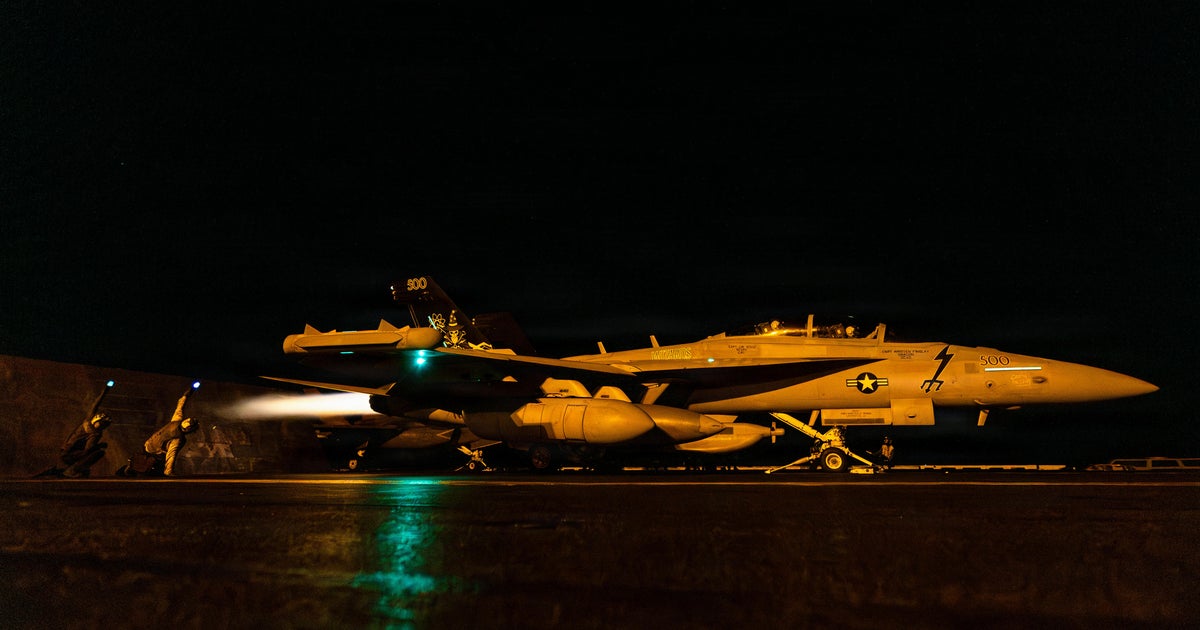
The potential for a significant military escalation in the Middle East appears imminent, as the U.S. and Israel prepare for extensive airstrikes targeting Iran’s energy infrastructure. This information comes from various sources who emphasize the gravity of the situation and the urgency surrounding potential strikes over the weekend.
Strategic Military Planning and Economic Considerations
U.S. officials are closely monitoring the timing of these planned strikes, with discussions revolving around their completion before the opening of financial markets on Monday. The concern stems from potential economic repercussions of the strikes, influencing both the U.S. and global economies. Although there is a desire to minimize disruption, no definitive end date for the operation has been established, highlighting ongoing strategic deliberations.
Sources indicate that Israel has been kept in the loop and is actively coordinating with the United States. Nevertheless, the final orders for military action have not yet been issued by the president. This upcoming joint operation signifies Israel’s re-engagement in military activities after a pause during a U.S.-facilitated ceasefire. Iran’s restraint in attacking Israel since the truce compounded the complex nature of these developments.
Controversial Military Strategies and Diplomatic Ramifications
The discussions about military operation strategies arose during a Cabinet meeting led by President Trump at Camp David. There is notable opposition among some White House aides regarding the proposed strikes. During the meeting, Trump asserted, “We’ll be hitting them very hard,” suggesting a willingness to escalate the conflict.
Reports indicate that the airstrikes aim to specifically target Iran’s energy infrastructure, including power plants and refineries, which could significantly hinder the Iranian military’s operational capabilities. White House Press Secretary Karoline Leavitt reiterated President Trump’s commitment to preventing Iran from acquiring nuclear weapons, emphasizing the U.S.’s readiness to respond decisively to perceived threats.
Pentagon spokesperson Sean Parnell asserted that the military remains prepared to implement the president’s directives without delay. A key advantage of targeting energy infrastructure includes crippling Iran’s ability to provide essential services and maintain effective governance, further influencing the country’s military capabilities.
Future Implications and High-Level Considerations
Prior discussions between President Trump and Israeli Prime Minister Benjamin Netanyahu included various military options, focusing on strategic land resupply routes. U.S. forces have already engaged in limited strikes targeting critical infrastructure, showcasing a commitment to diminishing Iran’s military potential in the region. Noteworthy is the consideration of disrupting electricity supplies in Tehran; however, no conclusive decisions had been made as of Friday.
In the preceding week, President Trump proclaimed on Truth Social his intention to retaliate for any attacks on U.S. vessels in the Strait of Hormuz by targeting Iranian infrastructure, indicating an escalatory approach that could further destabilize the region.
As this situation continues to develop, the global community watches closely, understanding that the outcomes of these military actions could have far-reaching implications for regional stability and international relations.