
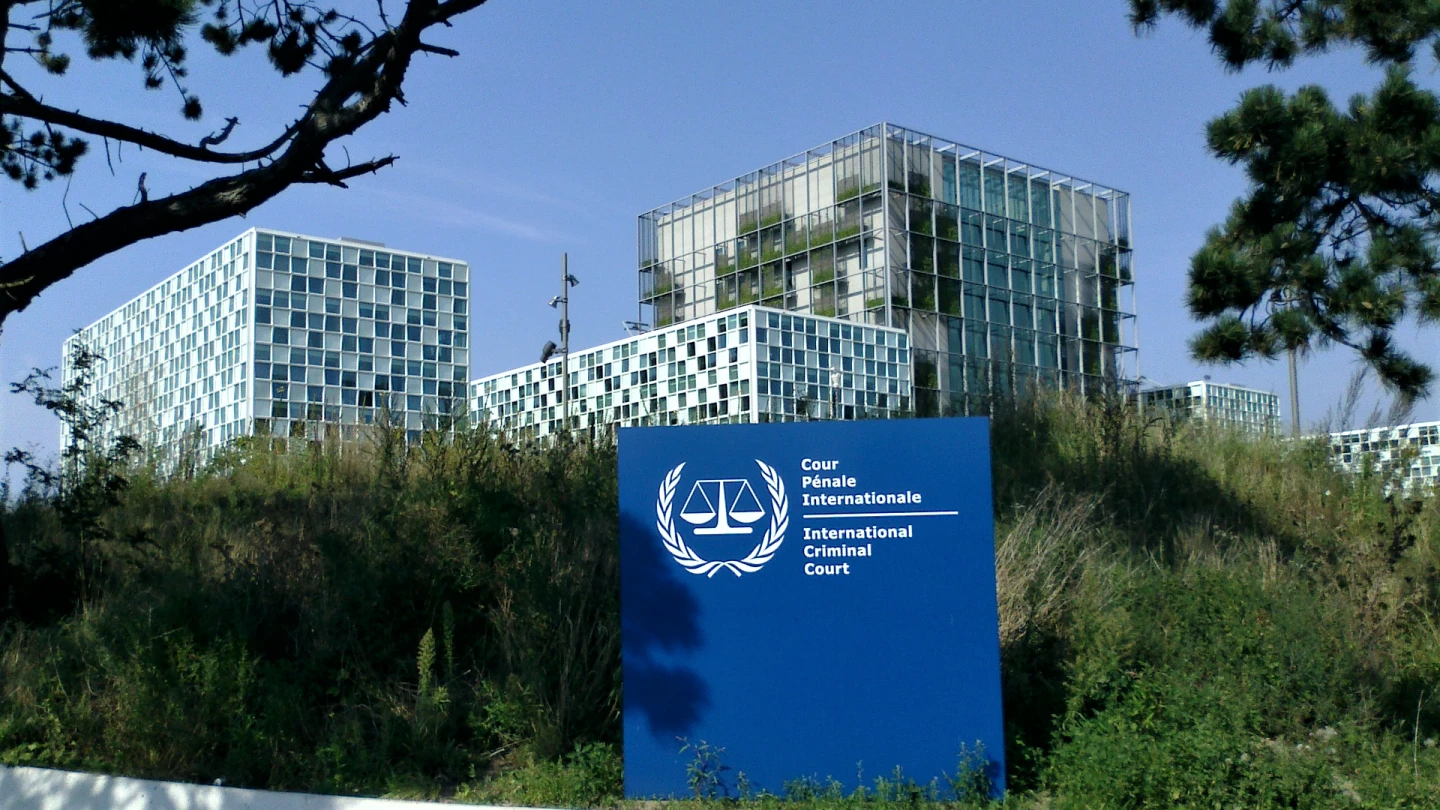
The recent announcement by the Trump Administration to impose sanctions on the International Criminal Court (ICC) has sparked significant dialogue regarding its implications for international law and U.S. relations. This action represents a considerable escalation in the ongoing tension between the United States and the ICC, an independent legal entity based in The Hague, known for prosecuting individuals accused of serious crimes such as war crimes and genocide.
Sanctions Targeting the ICC
On October 9, 2026, the U.S. government extended its sanctions to encompass the entire ICC, furthering a path initiated by an executive order signed by President Donald Trump at the beginning of his second term. Previously, these sanctions been directed more narrowly, targeting individual judges and prosecutors. Secretary of State Marco Rubio has stated that the sanctions aim to “cripple” the ICC’s functionality, arguing that it continues to pursue legal actions against U.S. citizens. “Our message is clear,” Rubio affirmed, underscoring that Americans should not be subjected to the court’s jurisdiction. The administration expects allied nations relying on U.S. military assistance to help rein in the ICC’s ambitions.
Historical Context and Controversies
Established by the 1998 Rome Statute, the ICC operates independently of the United Nations and is tasked with prosecuting grave offenses. The United States has long maintained that it will not recognize the ICC’s authority to investigate or prosecute its nationals, particularly in conflict zones. The U.S. has also voiced strong objections to attempts by the ICC to prosecute its allies, including Israel. Notably, the Biden Administration previously engaged with the ICC by providing evidence related to alleged Russian war crimes in Ukraine. This history of selective cooperation highlights the complexities of U.S.-ICC relations and underscores the contentious nature of international law.
Reactions from the International Community
In response to the U.S. sanctions, the ICC has issued a strong condemnation, affirming its commitment to fulfilling its mandate impartially and independently. President Tomoko Akane of the ICC emphasized the court’s role in serving the victims of serious crimes, reiterating that it would not be swayed by external pressures. Furthermore, a coalition of countries—including Canada, Denmark, Germany, and the United Kingdom—issued a joint statement expressing regret over the sanctions and reaffirmed their support for the ICC’s essential work in fostering accountability and upholding international law.
Future Implications and U.S. Strategy
Israeli Prime Minister Benjamin Netanyahu, who is personally affected by an ICC arrest warrant, expressed gratitude toward the Trump Administration for the sanctions, labeling the ICC as a politically motivated entity undermining democratic principles. In a calculated move, the U.S. Treasury Department has provided the ICC with a 180-day general license, allowing it to maintain operations while setting a deadline for potential reforms. Rubio has hinted at a desire for a diplomatic resolution, stating that if negotiations do not yield satisfactory results, the U.S. will adjust its approach accordingly.
In summary, the Trump Administration’s sanctions against the ICC mark a significant development in U.S. foreign policy and international judicial affairs. The implications of this decision reach far beyond mere legalities, affecting diplomatic relations and the operational capabilities of the ICC. As global leaders and allies respond, the international community is left to ponder the future role of the ICC in a world increasingly fraught with geopolitical challenges and concerns regarding justice.