
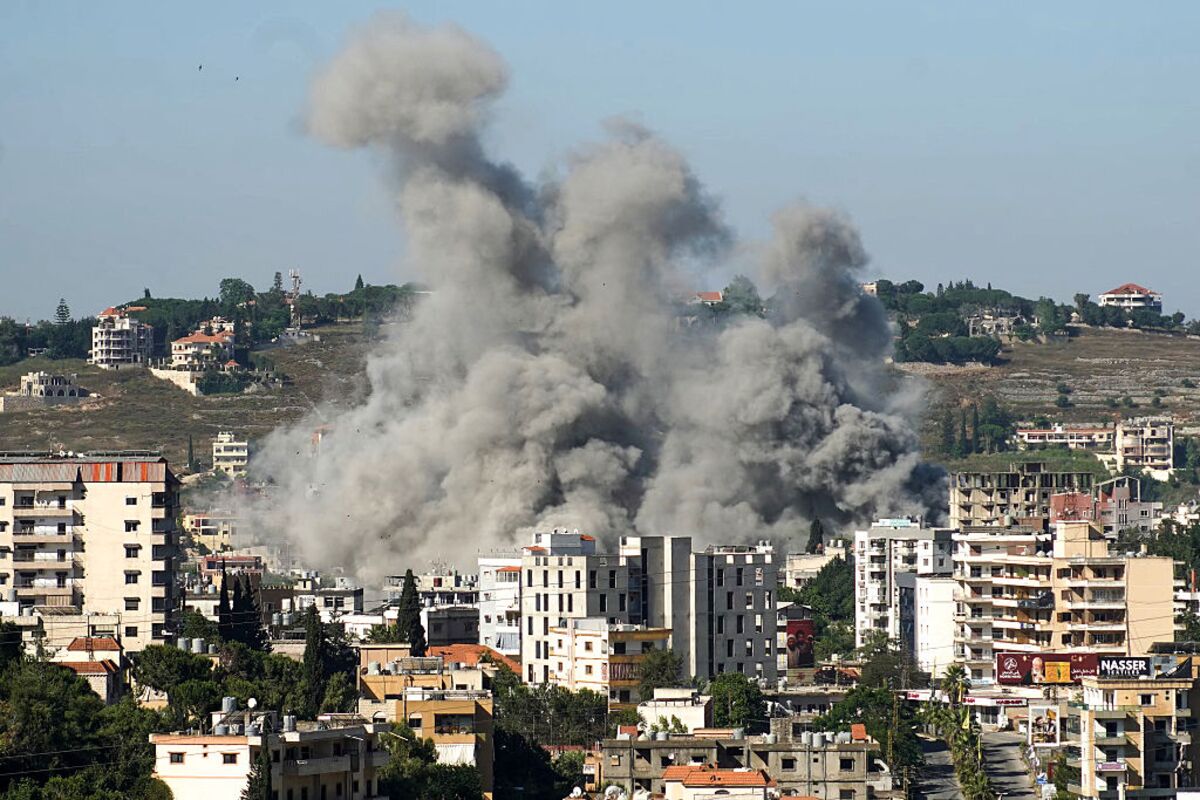
Fighting between Israel and Hezbollah in southern Lebanon persists, creating new doubts about upcoming discussions between the United States and Iran aimed at achieving a lasting resolution to the ongoing conflicts in the Middle East and managing Tehran’s nuclear ambitions.
Escalating Violence in Southern Lebanon
The recent strife in southern Lebanon showcases the escalating tension between Israel and Hezbollah. Both sides have engaged in intense exchanges, with attacks and airstrikes marking a troubling continuation of hostilities. This ongoing violence not only threatens the immediate safety of the region but also jeopardizes broader diplomatic efforts in the Middle East. As the conflict escalates, the prospect of peace appears increasingly fragile, raising alarms among international observers and stakeholders.
Impact on US-Iran Talks
The persistent clashes have a direct bearing on impending negotiations between the United States and Iran. These talks aim to establish a long-term framework to resolve not only the ongoing violence but also concerns regarding Iran’s nuclear program. The recent flare-up in Southern Lebanon complicates these discussions, as the U.S. seeks to find common ground amidst rising tensions and unyielding hostilities. Analysts emphasize that any diplomatic efforts may falter if the violence escalates further, potentially sidelining crucial issues such as nuclear compliance and regional security.
Regional Implications
The ramifications of this conflict extend beyond Lebanon, as regional stability hangs in the balance. A persistent conflict between Israel and Hezbollah risks igniting wider unrest across the Middle East, drawing in various factions and countries that have vested interests in the region. This interconnectedness means that any diplomatic resolution must address not only the immediate violence but also the broader geopolitical landscape, including the involvement of powers like Iran and the ongoing strife in adjacent areas like Syria.
The Path Forward
As the situation develops, the focus must shift toward viable solutions that can lead to de-escalation and lasting peace. Diplomatic channels must remain open, even in the face of ongoing violence, to ensure that dialogue persists. Engaging multiple stakeholders and addressing the underlying issues fueling the conflict is crucial. Only through comprehensive and inclusive negotiation processes can there be hope for stability in the region and an end to the cycle of violence that has plagued it for decades.
In conclusion, the ongoing conflict between Israel and Hezbollah poses significant challenges to peace efforts in the Middle East. The unfolding situation not only affects local dynamics but also reverberates across international relations, particularly pertaining to U.S.-Iran discussions. The world watches closely, hoping for a peaceful resolution that can bring an end to decades of turmoil in the region.