
The recent statements made by Israeli Defense Minister Israel Katz regarding a potential long-term Israeli military presence in southern Lebanon have prompted a strong response from the United States. Washington underscored that any permanent deployment would undermine the agreed-upon framework involving Israel, Lebanon, and the U.S., an essential aspect for maintaining regional stability.
U.S. Stance on Israeli Military Presence
In reaction to Katz’s comments, a U.S. State Department spokesperson reiterated, “The United States expects all parties to adhere to the terms of the framework they agreed upon.” This statement reinforces Israel’s acknowledgment that it has no territorial ambitions in Lebanon. The spokesperson clarified that a permanent military presence in southern Lebanon contradicts the commitments made within this framework and threatens the long-term peace and security aspirations of both nations.
The spokesperson also pointed out that while the framework does not demand an immediate and unconditional withdrawal of Israeli forces, it lays down a gradual and condition-based redeployment aligned with the verified disarmament of Hezbollah and the dismantling of its military installations. This nuanced approach aims at stabilizing relations while ensuring that all parties are operating within the agreed boundaries.
Supporting Lebanese Sovereignty
The U.S. has also reiterated its commitment to Lebanon’s sovereignty and territorial integrity. Washington expects all stakeholders to honor the commitments specified in the framework. Notably, the Lebanese military has started operations in designated “pilot zones” as part of this agreement, with the U.S. pledging to support this ongoing process actively.
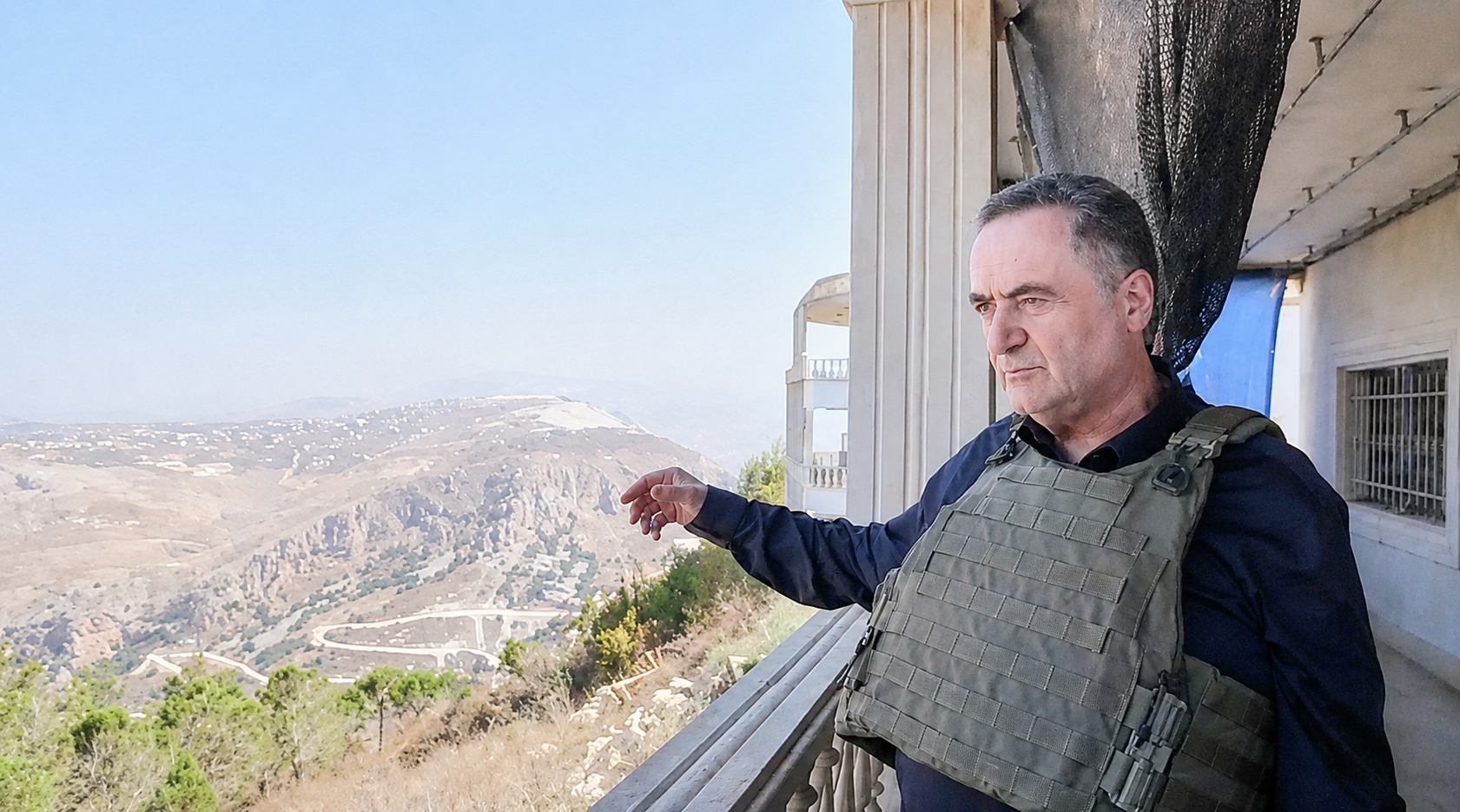
Katz’s remarks came after visiting Israeli troops stationed near the Lebanese border, where he directed the military to prepare for a sustained operational and logistical presence in the region. This directive was outwardly aimed at identifying and neutralizing Hezbollah tunnels and other military assets. Such military initiatives have sparked concerns about escalating tensions in the already volatile region.
Israeli Security Policy
During his visit to the Beaufort area, Katz expressed that Israeli forces had successfully destroyed tunnels and fortified positions aimed at safeguarding northern communities, including Metula. He boldly stated, “As the Prime Minister and I have made clear, we will not withdraw from this security zone.” His firm stance signals Israel’s intent to maintain significant military footholds in areas bordering Lebanon, Syria, and the Gaza Strip.
Furthermore, Katz indicated that the lessons learned from the Oct. 7 attacks underscore the necessity of keeping Israeli forces in forward positions to prevent infiltrations and eliminate threats to Israeli communities. This policy framework highlights ongoing security concerns and the broader implications for peace in the region.
As tensions continue to simmer, the interaction between U.S. and Israeli policies will be crucial. Both nations are navigating a complex landscape, one where military presence and political frameworks must align to secure stability and foster lasting peace. The forthcoming actions from both sides will play a pivotal role in shaping the region’s future.