
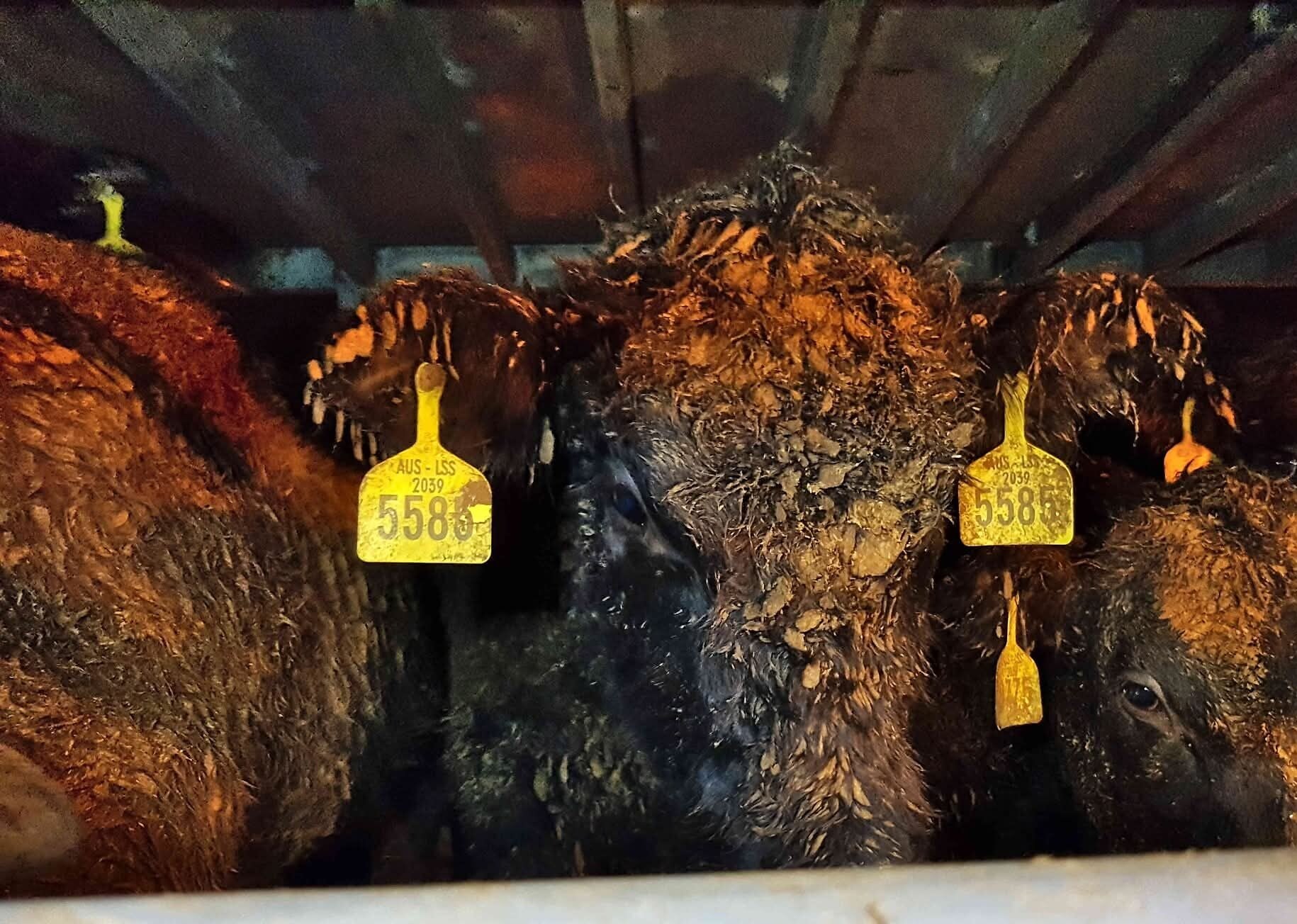
Animal welfare advocates are taking legal action, urging the High Court to put an end to the sea transport of live animals to Israel for fattening and slaughter, citing serious instances of animal cruelty. This push is spearheaded by Freedom for Animals, which is part of the Israel Against Live Shipments movement. On Thursday, they submitted a comprehensive 500-page petition that includes disturbing accounts from three individuals involved in the industry.
Seeking Immediate Action on Animal Welfare
The petition calls for a gradual halt to live animal shipments over the next three years. It includes proposals for interim regulations to ensure that transport conditions meet, at the very least, the existing animal welfare standards established under Israeli law. Additionally, an immediate cessation of maritime transport exceeding 10 days is requested. According to the petition’s authors, there is widespread agreement that these live shipments are a form of animal abuse, leading to unbearable stress, illness, and even death among the animals during transport. The petition details numerous harrowing conditions, including extreme heat, inadequate access to food and water, and overcrowding, which exacerbate the suffering of weaker animals.
Historical Context of the Live Animal Trade
Historically, Israelis had the option to consume locally sourced meat or frozen imports until the 1990s. However, changes in government policy, starting in the 1990s and culminating with the removal of all tariffs on live animal imports in 2014, have led to a dramatic increase in live shipments. Recent statistics indicate that the import of calves and lambs surged between 2021 and 2022, reaching nearly 300,000 calves and over 540,000 lambs annually. The modes of transport have also evolved to include lengthy sea journeys, some lasting as long as 27 days.
Regulatory Shortcomings and Ongoing Concerns
In a relevant ruling from 2017, the High Court refused to ban live shipments but recognized the need to minimize animal suffering. Subsequent regulations were implemented to address basic conditions regarding ship ventilation and the daily supply of food and water. However, the recent petition claims these regulations are not only poorly enforced but also fundamentally inadequate, failing to align with the minimum welfare standards established in Israel. Expert witnesses supporting the petition assert that animals continue to suffer extensively during their transport, often left in appalling conditions.
According to a report from the Knesset Information and Research Center, transitioning to the import of chilled meat rather than live animals could potentially lower meat prices in Israel after an initial spike. This suggestion adds weight to calls for reforms in the industry that could promote a more humane approach to animal welfare while addressing economic factors.
Global Trends in Animal Welfare Legislation
Notably, Israel is not alone in its struggles with the ethical implications of live animal exports. Numerous countries, including New Zealand and the United Kingdom (excluding Northern Ireland), have enacted bans on live animal exports in recent years. Australia is on a path to do the same by 2028. This context puts additional pressure on Israel to reconsider its animal welfare policies and practices.
As this legal battle unfolds, the outcomes could have significant implications for the future of animal welfare in Israel, influencing not just policy changes but also public perception surrounding the treatment of animals in the agricultural sector. The continued advocacy for more humane practices emphasizes the growing concern over animal welfare both domestically and internationally.