
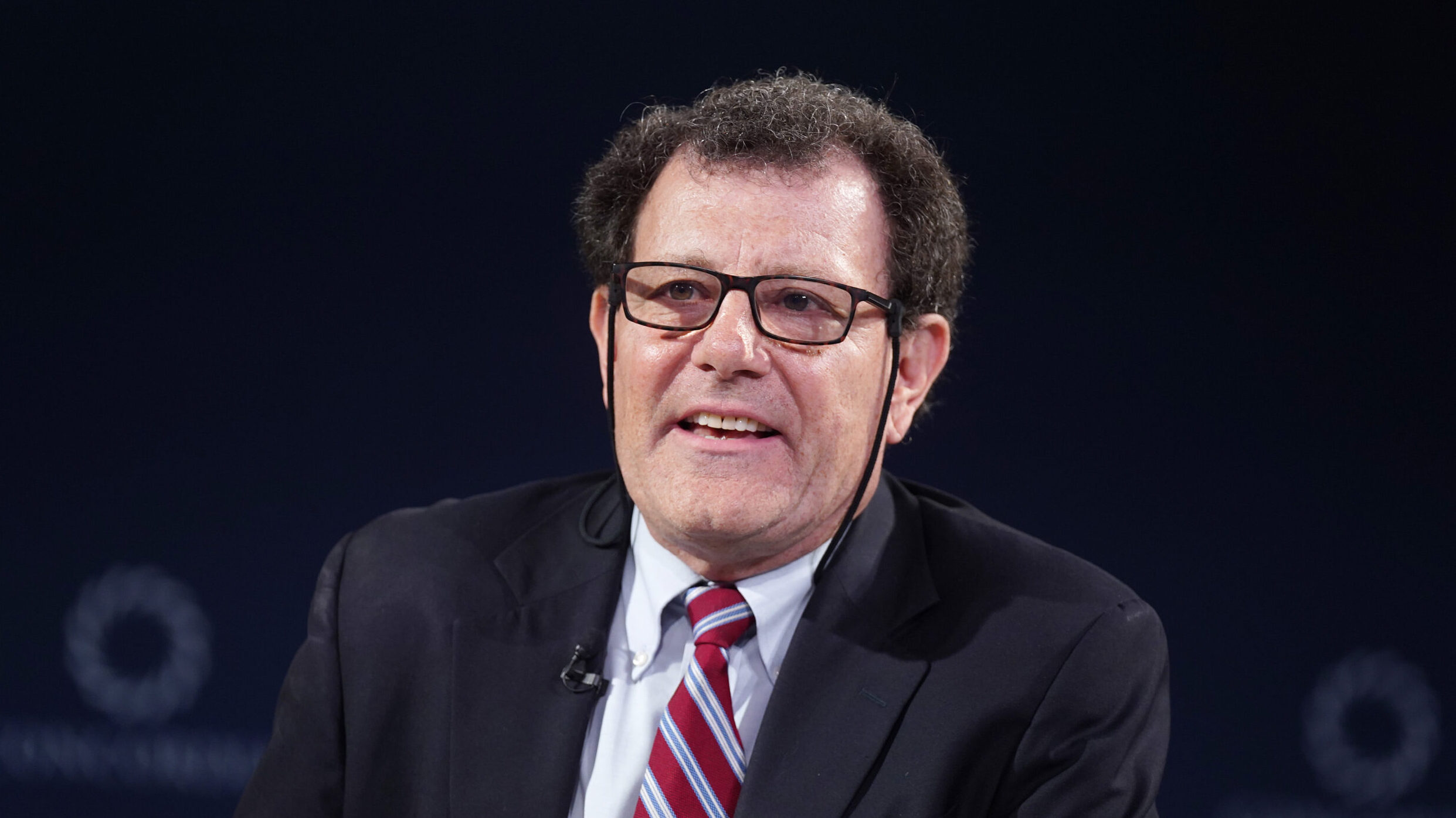
Nick Kristof’s recent investigation into the alleged mistreatment of prisoners in Israeli facilities has reignited a significant debate within The New York Times. This exposé has not only caught the attention of readers but has also stirred tensions between the newspaper’s editorial board and its newsroom. The implications of Kristof’s findings and the subsequent reactions from various factions within the paper reveal the intricate dynamics of journalism today.
The Impact of Kristof’s Investigation
Kristof’s in-depth reporting highlights serious allegations of abuse within Israeli prisons, raising important questions about human rights practices in the region. The detailed accounts paint a troubling picture of the treatment of detainees, stirring public interest and concern. By shedding light on such critical issues, Kristof aims to spur a conversation that goes beyond merely reporting facts; he seeks to encourage meaningful dialogue on the ethics of imprisonment and state conduct.
The Response from the Israeli Government
In the wake of Kristof’s revelations, Israeli officials, including Prime Minister Netanyahu, have issued stern warnings against the article’s implications. Some leaders have characterized this reporting as a form of “blood libel,” suggesting that the accusations are unfounded and harmful. This labeling poses a significant threat not only to Kristof but also to the broader implications for media freedom when allegations challenge the narrative of powerful institutions. The Israeli government’s stance underscores the contentious nature of political journalism in situations involving national security and human rights.
Internal Tensions at The New York Times
Within The New York Times, Kristof’s article has exacerbated pre-existing tensions between the newsroom and the Opinion section. Newsroom journalists often strive for objective reporting, while opinion pieces tend to advocate for particular viewpoints. Kristof’s investigative piece blurs these lines, leading to an internal debate about journalistic integrity and the responsibilities of editorial comment. The fallout from this divisive piece may heighten scrutiny on how the publication navigates sensitive topics, especially those involving international relations and human rights.
The Larger Conversation on Human Rights
Kristof’s findings open the door for a larger conversation about human rights practices globally. As more journalists take on the challenge of investigating abuses of power, the need for robust discussions surrounding ethical journalism and accountability becomes increasingly critical. The controversy surrounding Kristof’s article serves as a reminder of the significant role that journalism plays in overseeing power structures, particularly in regions marked by conflict. Public discourse around these issues may ultimately drive change, pushing for greater transparency and responsibility from governments worldwide.
In summary, Nick Kristof’s exposé on Israeli prison abuses has ignited a complex discourse not only regarding the treatment of detainees but also about the responsibilities of journalists and the repercussions they face in the current political climate. As tensions rise both in Israel and within the pages of The New York Times, it’s clear that the issues at hand extend far beyond a single article, fostering a critical examination of the relationship between media, state power, and human rights advocacy.