
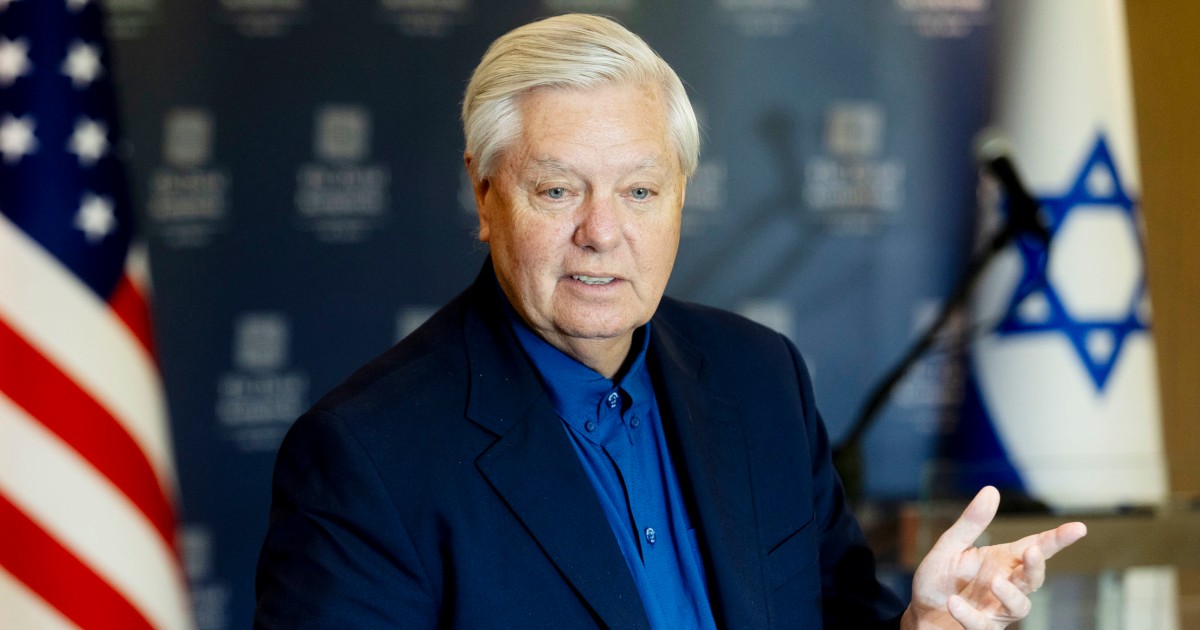
Lindsey Graham’s Political Stance on Israel
Lindsey Graham has long been a prominent figure within the Republican Party, known for his unwavering support of Israel. His positions often align with a faction that sees Israel as a crucial ally of the United States, though this viewpoint appears to be diminishing in influence within the party.
Graham’s Enduring Support for Israel
For decades, Lindsey Graham has championed Israel’s cause, reflecting his belief that a strong U.S.-Israel alliance is essential for both nations’ security. He has consistently advocated for military funding and diplomatic backing for Israel, emphasizing that Israel not only plays a strategic role in the Middle East but also embodies democratic values that align closely with those of the United States. Graham’s unwavering commitment has made him a key figure in promoting pro-Israel policies, and he frequently engages with various international forums to bolster U.S.-Israel relations.
However, as the political landscape shifts, Graham’s viewpoint is increasingly challenged by emerging factions within the Republican Party. Some party members express more isolationist sentiments, questioning the longstanding commitment to back Israel without particular conditions. This ideological divide has prompted discussions about the future direction of U.S. foreign policy, especially regarding its relationship with Israel.
The Changing Dynamics Within the GOP
The Republican Party has seen a noticeable transformation in its base and leadership in recent years. Graham’s firm support of Israel sets him apart from a growing number of his colleagues who are reconsidering traditional foreign policy stances. Analysts suggest that this shift could reflect broader societal changes, including the rise of populism and a diversified electorate that may prioritize different foreign policy issues.
This changing dynamic raises questions about whether Graham’s brand of unwavering commitment will persist as a guiding principle for the party. As younger Republicans and various grassroots movements advocate for a re-evaluation of foreign aid and military involvement overseas, Graham’s once-dominant stance may face increased scrutiny. Such an environment has the potential to reshape how the GOP approaches international relations and alliances like that of Israel.
Conclusion: Graham’s Impact on U.S.-Israel Relations
Despite the evolving landscape within the Republican Party, Lindsey Graham remains a staunch advocate for Israel, striving to reinforce the perception of Israel as a key ally to the U.S. His efforts underline the complexities involved in maintaining foreign relations amid shifting political ideologies. Nevertheless, as new voices gain prominence, it’s clear that the conversation surrounding the U.S.-Israel partnership is far from static. How Graham’s influence will fare in response to these changes is yet to be seen, but his consistent dedication serves as a testament to the enduring bond he believes should exist between the two nations.
The future of U.S.-Israel relations hinges on both Graham’s legacy and the evolving perspectives within his party, ultimately shedding light on the broader themes of loyalty, influence, and strategic partnerships in global politics.