
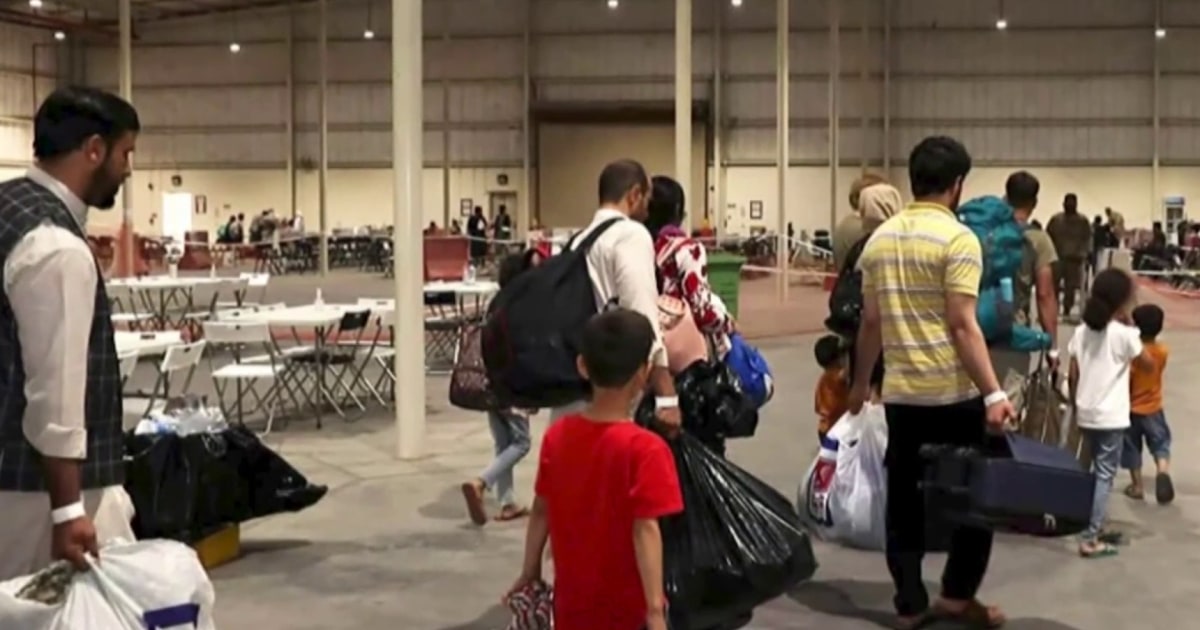
Understanding the Current Situation for Afghan Refugees in Qatar
The plight of Afghan refugees remains a pressing issue as thousands face ongoing uncertainties. After the U.S. withdrawal from Afghanistan, many Afghans who aided American efforts found themselves stranded and vulnerable, particularly in Qatar. This article delves into their current status and the implications of their continued limbo.
Challenges Facing Afghan Refugees in Qatar
Many Afghan refugees in Qatar, who were promised safety and resettlement, are still waiting for their futures to be determined. The living conditions and uncertainty continue to take a toll on their mental health. With around 70,000 Afghans evacuated following the takeover by the Taliban, the majority are now in Qatar, confronting challenges such as unstable housing and limited access to services.
Federal authorities have communicated that resettling these individuals is a top priority; however, logistical issues, political considerations, and an overloaded process have hindered progress. As families wait in temporary lodgings, the lack of clarity around their futures can lead to anxiety and hopelessness. It’s crucial for these refugees to receive adequate support that addresses not just their physical needs, but also their emotional and psychological well-being.
The Role of NGOs and Community Support
Non-governmental organizations (NGOs) are stepping up to provide resources and assistance to Afghan refugees in Qatar. These organizations are crucial in addressing immediate needs such as food, healthcare, and legal advice. Many volunteers from local communities have rallied to support these individuals, offering everything from clothing to mentorship programs that help them adjust to their new environment.
Moreover, NGOs are working to foster connections between refugees and the broader community, helping to cultivate relationships that can ease the transition for those unfamiliar with their new surroundings. This social support network is invaluable, as it not only addresses practical concerns but also helps restore a sense of hope and normalcy in a tumultuous time.
International Implications and Future Prospects
The ongoing situation for Afghan refugees in Qatar has broader international implications. As countries debate their roles in resettling these individuals, questions arise about global responsibility in responding to humanitarian crises. The collaborative efforts required from multiple nations to address the needs of Afghan refugees highlight the importance of international cooperation in geopolitical matters.
Looking ahead, the need for systematic approaches and efficient processing systems for refugee resettlement cannot be overstated. With ongoing discussions about policy changes and financial support, it’s crucial that governments and international organizations remain vigilant in their commitment to assist vulnerable populations.
Efforts must also include advocacy for the rights of Afghan refugees, ensuring that their voices are heard and their needs are prioritized. As they await decisions regarding their futures, the global community must harness its collective resources to facilitate a more streamlined and compassionate response.
In summary, the situation for Afghan refugees in Qatar presents a unique intersection of humanitarian responsibility and international politics. By addressing their immediate needs and fostering long-term solutions, stakeholders can work towards a better future for those who risked everything for a chance at safety.