
The Iran conflict, having recently incurred a staggering cost of $25 billion and 39 days of hostilities, now finds itself in a temporary ceasefire. For nations involved, notably the United States, Israel, and Iran, as well as their regional allies, it’s a critical moment to assess and, importantly, rearm. The Gulf nation of Qatar, in particular, faces significant challenges as it grapples with the aftermath of this military engagement.
Qatar’s Vulnerability During the Iran War
Qatar played a pivotal role in hosting Al Udeid Air Base, the largest U.S. military installation in the Middle East. This strategic significance made Qatar an immediate target for Iranian aggression, resulting in about 700 missile and drone strikes. The damage inflicted upon Qatar’s liquefied natural gas facilities is projected to extend recovery efforts for up to five years, leading to a staggering loss of approximately $20 billion in annual revenues. This context emphasizes the pressing need for Qatar to enhance its defensive capabilities.
Qatar’s Strategic Arms Acquisition
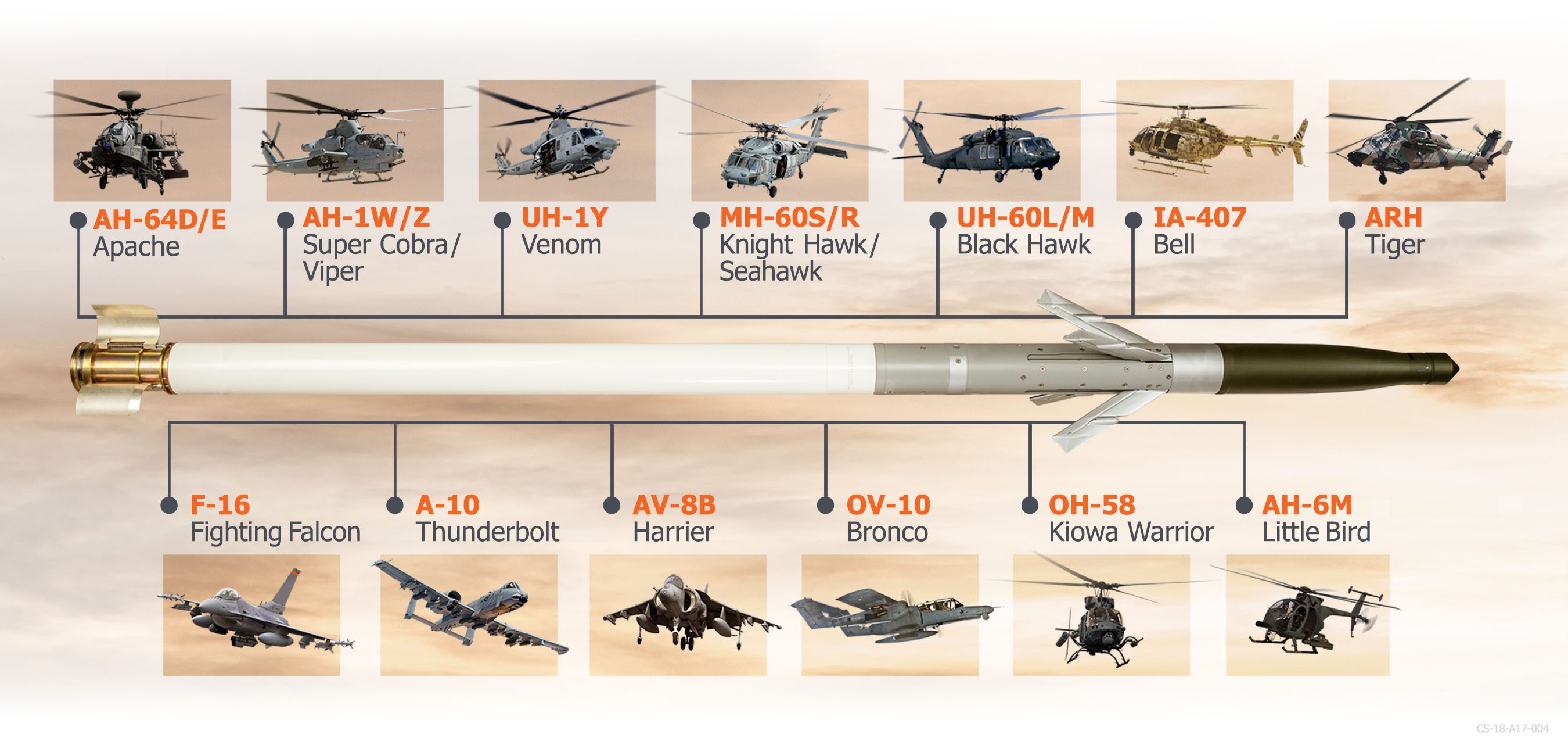
In light of potential future threats, Qatar is actively seeking to bolster its defenses through a substantial arms acquisition. The government has submitted a request to the U.S. for the purchase of 10,000 Advanced Precision Kill Weapon System-II (APKWS) rockets for around $992.4 million. Originally designed for air-to-surface attacks, the APKWS can also be employed effectively against aerial threats, such as drones. This adaptability was demonstrated in Ukraine, where a partnership between BAE Systems and L3Harris successfully repelled drone attacks using modified pickup trucks equipped with APKWS.
The cost-effectiveness of these rockets cannot be overstated. Instead of relying on expensive Patriot missiles, which can run upwards of $3 million, defense systems using APKWS were able to intercept significantly cheaper drones, shifting the dynamics of warfare economically.
Implications for Investors in Defense
With Iran’s drone capabilities intact despite the ceasefire, the U.S. State Department has recognized an “emergency” necessitating the rapid approval of Qatar’s arms request. This not only underscores the urgency but also positions the deal for swift execution. BAE Systems, the primary contractor for this deal, stands to benefit significantly from the sale.
Given that BAE’s APKWS production capacity is currently capped at 25,000 units annually, Qatar’s order would consume nearly half of that capacity in one go. Such a surge in demand could push prices upward, potentially resulting in a unit cost of around $99,000 for the rockets. This scenario is advantageous for BAE, as it currently operates at a robust profit margin of 15.5%.
Should You Consider Investing in BAE Systems?
Before making investment decisions concerning BAE Systems, it’s crucial to explore alternative opportunities. The Motley Fool’s Stock Advisor recently highlighted other stocks that present strong growth potential. While BAE Systems is certainly a player in the defense sector, it may not be currently listed among the top 10 investment picks. By analyzing broader market trends and individual company performance, investors can strategically position themselves to capitalize on emerging opportunities.
In summary, Qatar’s precarious situation post-war necessitates urgent military enhancements, and its partnership with BAE Systems could potentially reshape the company’s financial landscape. However, investors should maintain a comprehensive view when weighing their options in this evolving market.