
War in today’s world can unfold rapidly, often with significant financial implications. A prime example is the brief conflict between the United States, Israel, and Iran, which lasted only 39 days yet reportedly cost the U.S. around $25 billion. As the immediate consequences of such military confrontations become clear, the aftermath for nations that were indirectly involved, like Qatar, is just beginning to surface.
Qatar’s Defense Needs Intensify
Qatar, strategically located and home to the Al Udeid Air Base—America’s largest military installation in the Middle East—found itself in a precarious position during the recent Iran conflict. Given its proximity to Iran, the country faced the threat of counterattacks and had to deploy a substantial number of air defense missiles to ensure its safety. As a result, Qatar’s defense expenditures are climbing, and the financial implications are becoming evident.
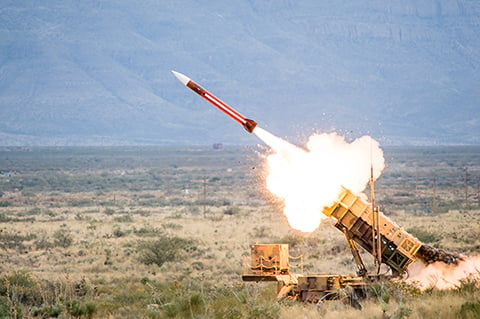
The extent of Qatar’s military response remains largely unquantified, but the recent request from the Qatari government to purchase $4 billion worth of Patriot air-defense missiles underlines the urgency of the situation. This request includes an order for 200 Phased Array Tracking Radar to Intercept On Target (PATRIOT) Advanced Capability-2 (PAC-2) missiles, alongside 300 PATRIOT Advanced Capability-3 (PAC-3) missiles, spare parts, and contractor services. While PAC-2 missiles use shrapnel to obliterate their targets, PAC-3 missiles are designed to collide with and neutralize incoming threats like ballistic missiles.
U.S. Support for Qatar’s Defense Acquisition
Support from the U.S. government has been pivotal in this matter. The State Department has communicated to Congress that Qatar’s request is a matter of national security. Given the escalating tensions, the likelihood of this arms sale proceeding is exceptionally high. Such advancements in defense capabilities not only bolster Qatar’s protection but also ensure that the United States maintains strong ties with a key ally in a volatile region.
By enhancing its military readiness, Qatar aims to better defend itself against potential Iranian aggression. The financial implications of this defense buildup highlight the intertwining of national security and economic expenditure in modern warfare.
Investor Considerations in Defense Stocks
From an investment perspective, companies like Lockheed Martin and RTX (formerly Raytheon Technologies) stand to gain significantly from this arms deal. Both companies have been identified as primary contractors for the missile sale, with RTX producing the PAC-2 missiles and essential components for the Patriot missile systems, while Lockheed manufactures the PAC-3 missile.
Investors should take note of this lucrative deal, as both companies are on a path to enhanced profitability. Publicly available financial data reflects impressive operating margins for both companies, indicating financial health. For instance, RTX’s Raytheon division reported operating margins that improved from 11.4% in 2025 to 12.1% in the first quarter of 2026. Lockheed Martin exhibited similar growth, with margins rising from 12.4% to 12.9%.
The cost of the missiles reflects an upward trend post-conflict, averaging about $8 million each, compared to $4 million for earlier orders. This price trajectory suggests that both Lockheed and RTX can anticipate improved profit margins as Qatar strives to enhance its defense capabilities amidst ongoing threats. As military and defense demands escalate, investors may find valuable opportunities in this sector, with the potential for continued growth in the years to come.