
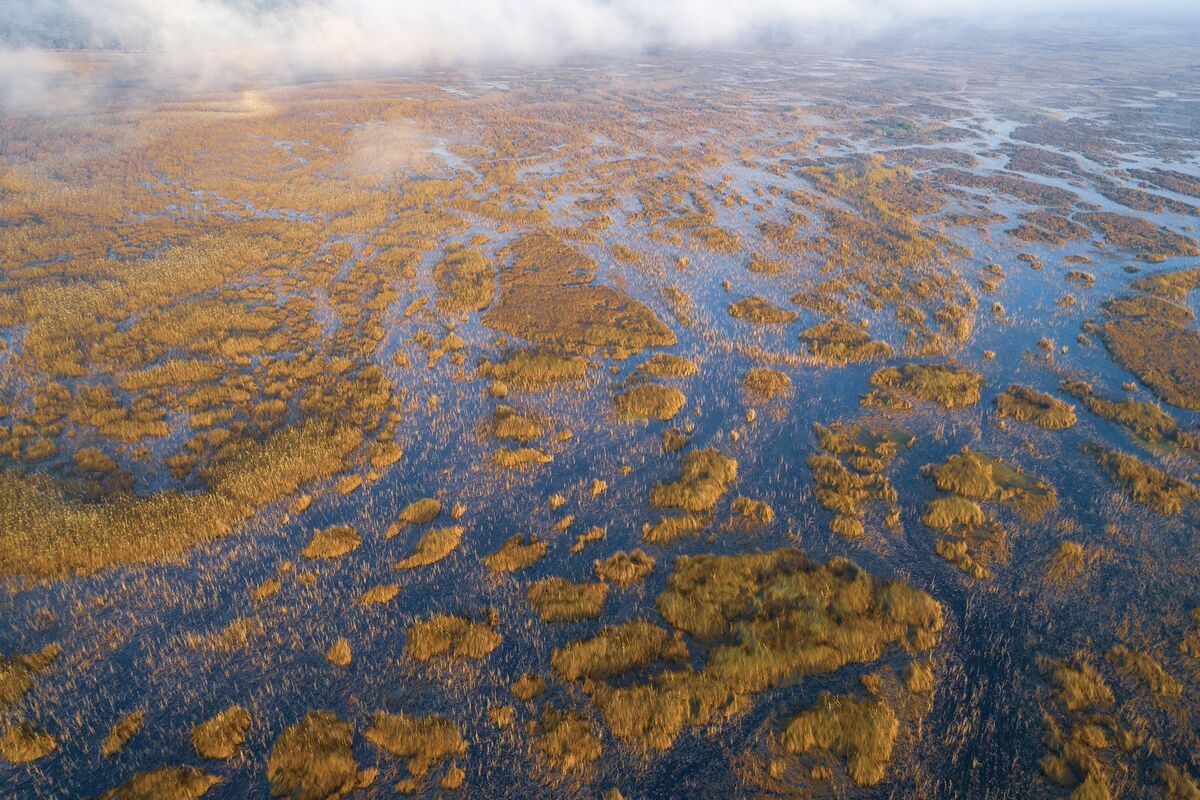
Angola’s peatlands play a crucial role in regulating water systems in southern Africa and mitigating climate change. Recent research has revealed that these vital ecosystems are significantly more extensive than previously understood, highlighting their importance in environmental preservation and climate policy.
The Expansive Scope of Angola’s Peatlands
New studies indicate that Angola’s peatlands are at least four times larger than early estimates suggested. This revelation is not only critical for understanding the ecological balance in southern Africa but also underscores the role these peatlands play in global carbon sequestration. By storing carbon, they act as a buffer against climate change, absorbing carbon dioxide that would otherwise contribute to global warming. The findings emphasize the need for comprehensive conservation measures to protect these wetlands and their associated biodiversity.
Importance for Water Management and Ecosystem Health
Angola’s peatlands are integral to the hydrology of some of Africa’s largest river systems. They function as natural reservoirs, regulating water flow and supply, particularly in times of drought or heavy rainfall. This regulation is vital for safeguarding agricultural practices and ensuring access to fresh water for communities and wildlife in the region. By maintaining these peatlands, we not only preserve water resources but also support diverse ecosystems, enhancing habitat protection for countless species native to this biodiverse region.
Climate Change Mitigation and Policy Implications
The expanding recognition of Angola’s peatlands necessitates a reevaluation of climate policies, both locally and globally. With the capacity to store vast amounts of carbon, these wetlands can significantly contribute to carbon offset strategies. Policymakers need to prioritize the preservation and restoration of peatlands to combat climate change effectively. Sustainable land management practices that integrate peatland conservation can serve as an essential component in achieving climate goals and commitments, aligning economic development with environmental sustainability.
Challenges and Preservation Efforts
Despite their ecological importance, Angola’s peatlands face numerous threats, including agricultural expansion, deforestation, and climate-induced pressures. To combat these challenges, coordinated conservation efforts involving local communities, government agencies, and international organizations are essential. Education and awareness programs can empower local populations to engage in sustainable land practices, fostering a sense of stewardship for these invaluable ecosystems. Moreover, the implementation of protective policies will be crucial in preserving the integrity of Angola’s peatlands and ensuring their ecological services endure for future generations.
In conclusion, the newly discovered size and functionality of Angola’s peatlands underscore their critical role in both regional water management and global climate efforts. Recognizing their importance can drive necessary action towards their preservation, ultimately benefiting not only Angola but the broader South African ecological landscape as well.