
As global energy demands rise, the movement of liquefied natural gas (LNG) plays a crucial role in international trade. A recent development in this ongoing narrative involves a tanker transporting LNG from Qatar, which is making its way toward the vital Strait of Hormuz. This passage has become particularly significant as Pakistan secures agreements with Iran for the transit of various shipments through this strategic choke point.
The Strategic Importance of the Strait of Hormuz
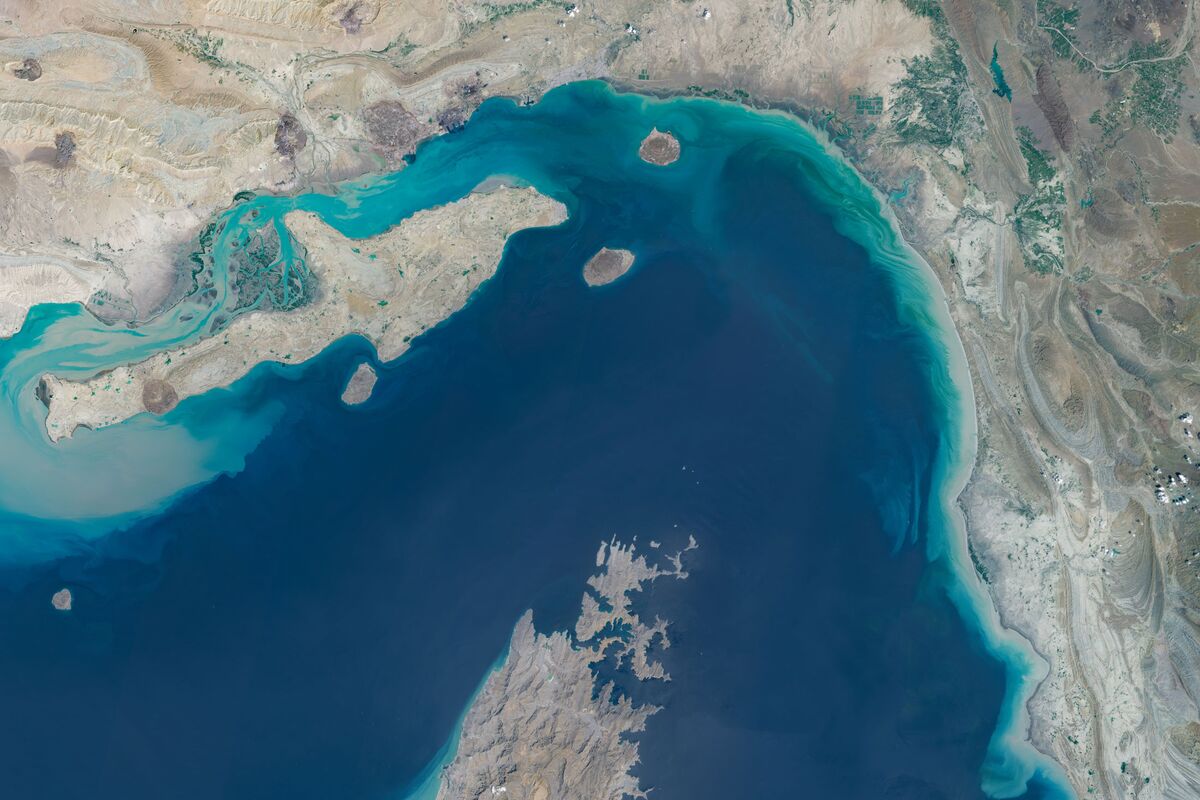
The Strait of Hormuz is a narrow waterway that connects the Persian Gulf to the Arabian Sea, serving as a critical artery for global oil and gas shipments. Approximately 20% of the world’s oil passes through this strait, making it a focal point for energy security. Given its importance, any disruptions in this region can have a ripple effect on international markets.
Recently, Pakistan has been in discussions with Iran to facilitate the passage of LNG shipments through this crucial strait. This agreement not only highlights the increasing economic ties between the two nations but also underscores the changing dynamics of energy trade in the region. For Pakistan, which faces a burgeoning energy crisis, securing reliable energy sources is essential for its economic stability and growth.
Pakistan’s Energy Challenges
Pakistan has been grappling with energy shortages for years, impacting various sectors, including industrial output and residential power supply. The country’s rapidly growing population and economy demand substantial energy resources, prompting the government to seek proactive solutions. The LNG import agreements serve as an essential part of Pakistan’s strategy to diversify its energy sources and ensure consistent supply.
The negotiations with Iran could signify a shift in the regional energy landscape. By enabling access to Persian Gulf LNG, Pakistan can potentially alleviate some of its energy woes while also strengthening bilateral relations. This development may encourage further cooperation in energy projects, paving the way for a more integrated approach to energy security in South Asia.
Global LNG Market Implications
The increasing movement of LNG in the region reflects broader trends in the global energy market. As countries pivot toward cleaner energy sources, LNG has gained traction as a preferable option due to its lower carbon emissions compared to coal and oil. Qatar, as one of the world’s leading LNG exporters, is well-positioned to take advantage of this shift. The nation’s ability to provide LNG to diverse markets, including Pakistan, illustrates its pivotal role in the evolving energy landscape.
Moreover, the agreement facilitates cooperation among Middle Eastern nations, potentially leading to a more harmonized framework for energy trade. This could stabilize not only local markets but also contribute to overall global energy security. Navigating the logistics of shipping through the Strait of Hormuz, however, will remain a crucial aspect of future energy trade, requiring sustained diplomatic engagement among stakeholders.
In summary, the successful passage of LNG shipments through the Strait of Hormuz signals a significant moment for both Pakistan and Iran. As regional and global energy demands continue to grow, the importance of strategic partnerships in facilitating energy trade cannot be overstated. The unfolding events may offer valuable insights into the future trajectory of energy security in South Asia and beyond, suggesting a more interconnected and cooperative approach to managing energy resources.