
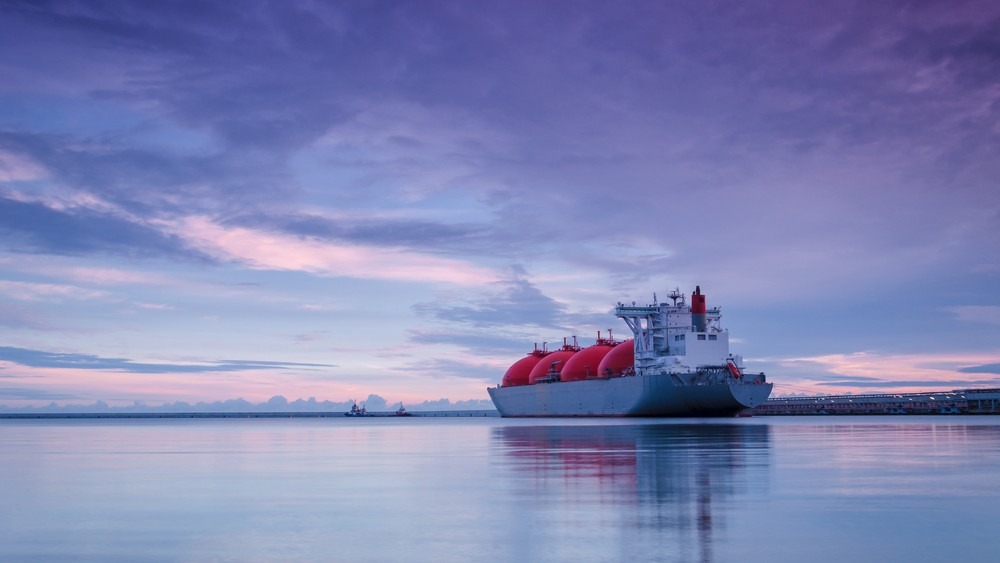
The ongoing industrial action at Inpex’s Australian LNG facilities has taken a significant turn, leading to anticipated disruptions in production. As one of the major players in the liquefied natural gas sector, Inpex is facing challenges that could affect both domestic and global gas supplies.
Escalation of Strike Action at Ichthys LNG
Recently, workers at Inpex’s Ichthys LNG facilities escalated their strike measures, increasing their work stoppages from four hours to eight hours per day across all three operational sites. Bill Townsend, senior vice president of corporate affairs at Inpex, conveyed through an email that the company is bracing for “imminent disruption” at both the onshore and offshore facilities. This disruption comes at a time when global fuel supply chains are already strained, suggesting that the implications could be considerable.
Since the strike commenced on June 3, operations have already experienced setbacks, with reports indicating a reduction in LNG loadings at the Ichthys project. This development raises significant concerns in the market, especially considering that Australia ranks as the world’s second-largest LNG supplier and is currently facing increased scrutiny due to limited outputs from Qatar.
Impact of Regulatory Decisions on Operations
Earlier this week, the Australian Fair Work Commission dismissed Inpex’s request to halt the strike, further complicating the situation at the Ichthys facility, which has a capacity of 9.2 million tons. The inability to resolve these industrial actions could further exacerbate the global LNG supply crisis, adding to the pressure faced by energy-importing nations in Asia, where the demand for LNG is peaking.
Despite a recent drop in LNG benchmark prices in Europe and Asia due to geopolitical shifts—namely, an agreement between the U.S. and Iran—supply constraints remain a pressing issue. While negotiations hint at a possible reopening of the Strait of Hormuz, it will likely take weeks for LNG supplies from the Middle East to resume.
Future Projections for LNG Supplies
Qatar, which has halted LNG production since early March, is optimistic about restoring its production capacities once safe navigation through the Strait of Hormuz is reestablished. Sources indicate that QatarEnergy could potentially restore up to 50% of its production within a month, and possibly reach 80% of its capacity within two months if conditions allow.
As Inpex navigates these tumultuous labor issues and external pressures, the ramifications for the energy sector, particularly in Asia, could be significant. With the dual challenges of labor disputes in Australia and supply restrictions from the Middle East, stakeholders in the LNG market must brace for potential volatility in both availability and prices in the near future.