
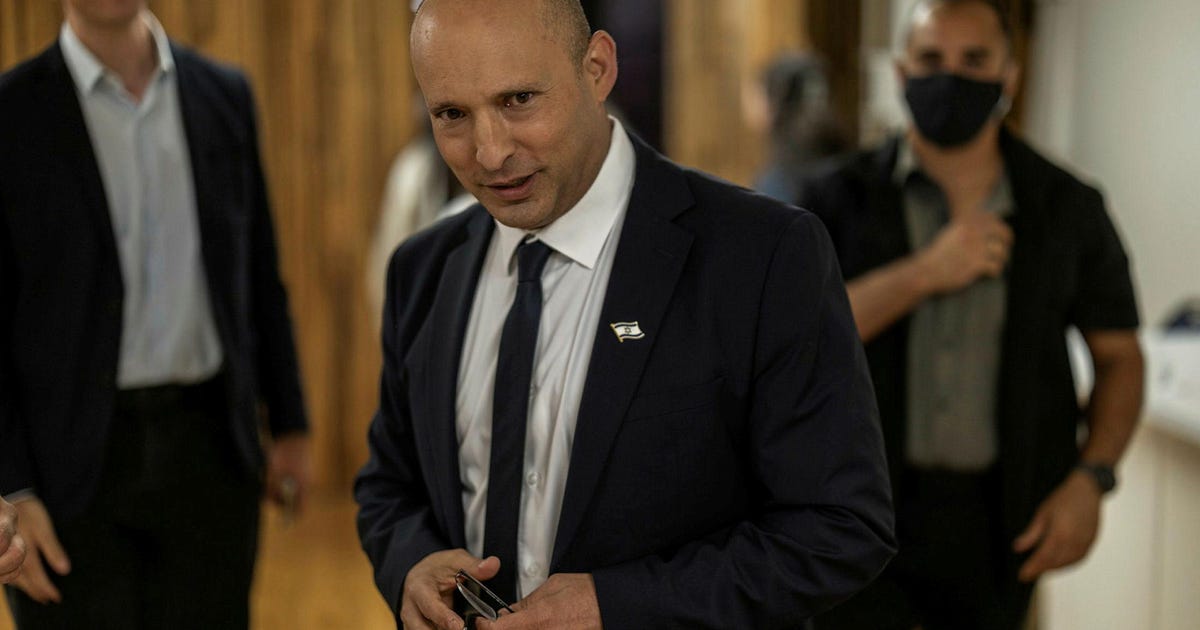
Former Prime Minister Naftali Bennett recently accused Qatar of cultivating a significant influence across the globe through various channels, including the state-funded media outlet Al Jazeera and supposed connections to Western institutions. These allegations have sparked controversy, prompting a swift rebuttal from the Qatari government, which labeled the accusations as misinformation. Qatar maintained that its efforts are primarily aimed at mediating peace and providing humanitarian assistance in Gaza.
Qatar’s Global Influence Strategy
Bennett’s remarks underline growing concerns regarding Qatar’s strategic initiatives. The former leader highlighted how the nation seeks to project its power well beyond its geographical boundaries, often leveraging its financial resources and media platforms. The suggestion is that Qatar aims to sway public opinion and political landscapes through its vast investment in media and relations with foreign policymakers. Bennett’s claims bring to light intense scrutiny of the methods by which Qatar is perceived to implement its foreign policy.
Al Jazeera, Qatar’s international news network, has been at the center of controversies for years. Critics argue that it serves as a tool for spreading pro-Qatari narratives while minimizing opposing viewpoints. By controlling narratives, Qatar reportedly attempts to boost its international standing, positioning itself as a crucial player in geopolitical discussions particularly in the Middle East. This strategy is seen by some as an effort to counteract the influence of larger powers in the region.
Reactions from Qatar and International Community
In response to Bennett’s allegations, Qatari officials have stressed that their motivation in Gaza is focused on humanitarian mediation and conflict resolution. They insist that charges of building a global network for influence are unfounded and primarily a product of negative Western perceptions. Qatar argues that its diplomatic engagements and humanitarian efforts are crucial in the ongoing efforts to stabilize the region.
The international community remains divided on the issue. Some countries commend Qatar for its mediatory role in various conflicts, while others express concern over its perceived sympathies towards groups considered extremist by Western standards. This juxtaposition of views highlights the complexities of Middle Eastern politics and the challenges in understanding Qatar’s goals.
The Double-Edged Sword of Media Influence
The role of media in geopolitics is undoubtedly multifaceted, with Qatar’s Al Jazeera exemplifying its transformative power. While it can propagate vital information and foster dialogue, it can also perpetuate biases, raising questions about its ultimate impact on public perception and political alliances. The debate points to a larger trend in which state-sponsored media is used to influence both foreign and domestic opinions, demonstrating the intricate dance of power, politics, and information.
While Qatar insists its intentions lie in conflict resolution rather than conquest, much hinges on the interpretations of its actions. Analysts argue that the balance between influence and intervention is delicate and fraught with risks. Qatar’s ambitions to serve as a mediator must navigate the treacherous waters of regional rivalries and historical grievances, thus complicating any straightforward analysis of its role in global affairs.
In conclusion, as the world watches the unfolding narrative surrounding Qatar, the implications of Bennett’s statements will likely resonate through international relations. The intricacies of influence, the role of media, and Qatar’s humanitarian efforts will continue to be central topics of discussion in understanding the dynamics of the Middle East landscape.