
New communications reveal that Jonatan Urich had knowledge of and participated in the efforts led by Eli Feldstein and Srulik Einhorn to present a favorable image of Qatar. This information comes from sources at i24NEWS.
### Urich’s Claims and Contradictory Evidence
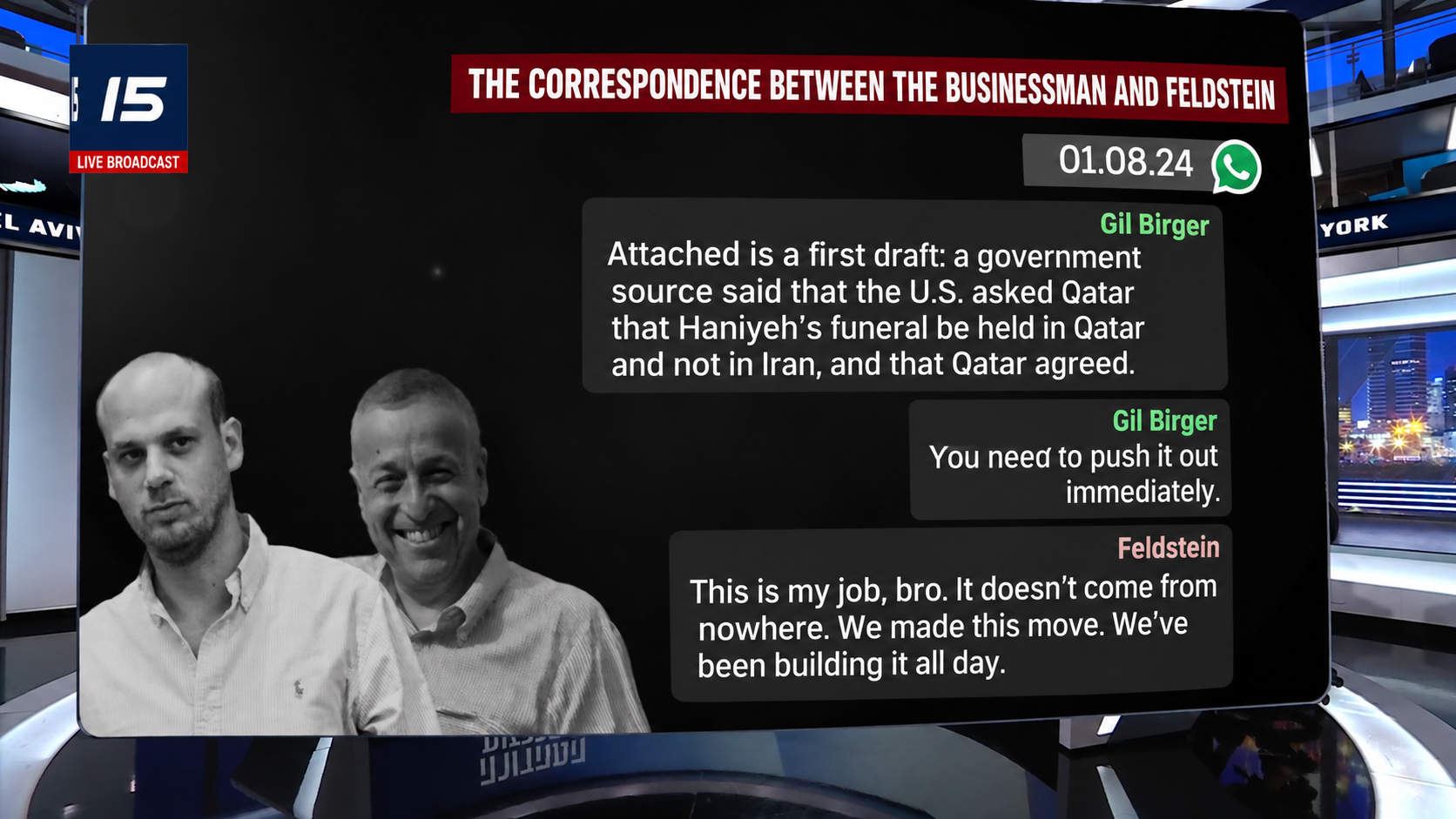
Despite his assertions of ignorance regarding Einhorn’s role in crafting pro-Qatari press releases, recent correspondence dated August 1, 2024, raises questions about the accuracy of Urich’s claims. The exchange centers on the preparation of press releases in response to the assassination of Hamas leader Ismail Haniyeh. The goal was to disseminate the narrative that the United States had requested Qatar to hold Haniyeh’s funeral instead of allowing it to occur in Iran, a request to which Qatar allegedly acquiesced. Just hours before these details became public, Feldstein updated Urich on the situation.
Feldstein communicated with Urich and highlighted that they were engaged in a “problematic” endeavor that day. This admission indicates an awareness of the sensitivity surrounding the narrative they were about to promote.
### WhatsApp Conversations and Article Sharing
The communication continued via WhatsApp, where Urich initiated contact with Feldstein to discuss the initiative in question. Following the release of the article, Feldstein shared a link with Urich, prompting a brief exchange that suggested a level of enthusiasm or approval on Urich’s part regarding the completed piece. Feldstein remarked, “Did you like it?” to which Urich responded positively, emphasizing a sense of camaraderie.
In a separate conversation on the same day, Feldstein also shared an article with financier Gil Birger, showcasing the lead story that claimed the Biden administration had urged Qatar to handle Haniyeh’s funeral. This indicates a coordinated effort to emphasize a narrative that was beneficial for all parties involved.
### Building the Narrative
Further elaborating on the efforts put into this initiative, Feldstein stated, “This is my job, bro. It doesn’t come from nowhere. We made this move. We’ve been building it all day.” This comment underscores that the team had been actively strategizing throughout the day to generate content that could effectively shape public perception.
At the Kan news outlet, there was a focus on verifying the information processed from the Israeli Prime Minister’s Office while also consulting Qatari sources for confirmation. However, an alarming discovery surfaced later: the same source had been implicated in both the Qatari and Israeli communications. This revelation calls into question the reliability of the narrative they were attempting to construct.
### Implications Moving Forward
The emerging details surrounding Urich, Feldstein, and Einhorn’s activities reveal a complex web of communication and intent. The conscious effort to craft a specific narrative about Qatar raises ethical questions regarding media integrity and the influence of financial backing in journalistic endeavors. The case underscores the critical importance of transparency and accountability in journalism, especially when dealing with sensitive geopolitical issues.
This situation serves as a reminder that the lines between journalism and influence can often blur, necessitating a vigilant approach to the information consumed by the public. As more details come to light, it will be imperative for media outlets to critically assess their roles and responsibilities in shaping narratives that resonate on a global scale.