
U.S. Customs and Border Protection (CBP) has made a noteworthy advancement by introducing International Remote Baggage Screening for Qatar Airways flights from Hamad International Airport (DOH) directly to John F. Kennedy International Airport (JFK). This initiative aims to enhance the travel experience by allowing eligible passengers to seamlessly transition to their onward flights without the hassle of reclaiming their checked baggage.
Understanding International Remote Baggage Screening
International Remote Baggage Screening revolutionizes the conventional protocol that travelers have endured when connecting through U.S. airports. Traditionally, upon arrival from international destinations, passengers would need to collect their checked luggage after clearing immigration, submit it for customs inspection, and then recheck it before proceeding to their next flight. This process was designed to ensure that baggage remains available for inspection by CBP.
With the implementation of this new program, CBP officers can now review baggage screening images generated at the departure airport prior to the aircraft’s arrival. Bags that don’t require additional examination will continue on to the connecting flight without the passenger needing to retrieve them. However, any baggage that CBP selects for further inspection will still go through the established arrival inspection procedures.
Significance of JFK Airport
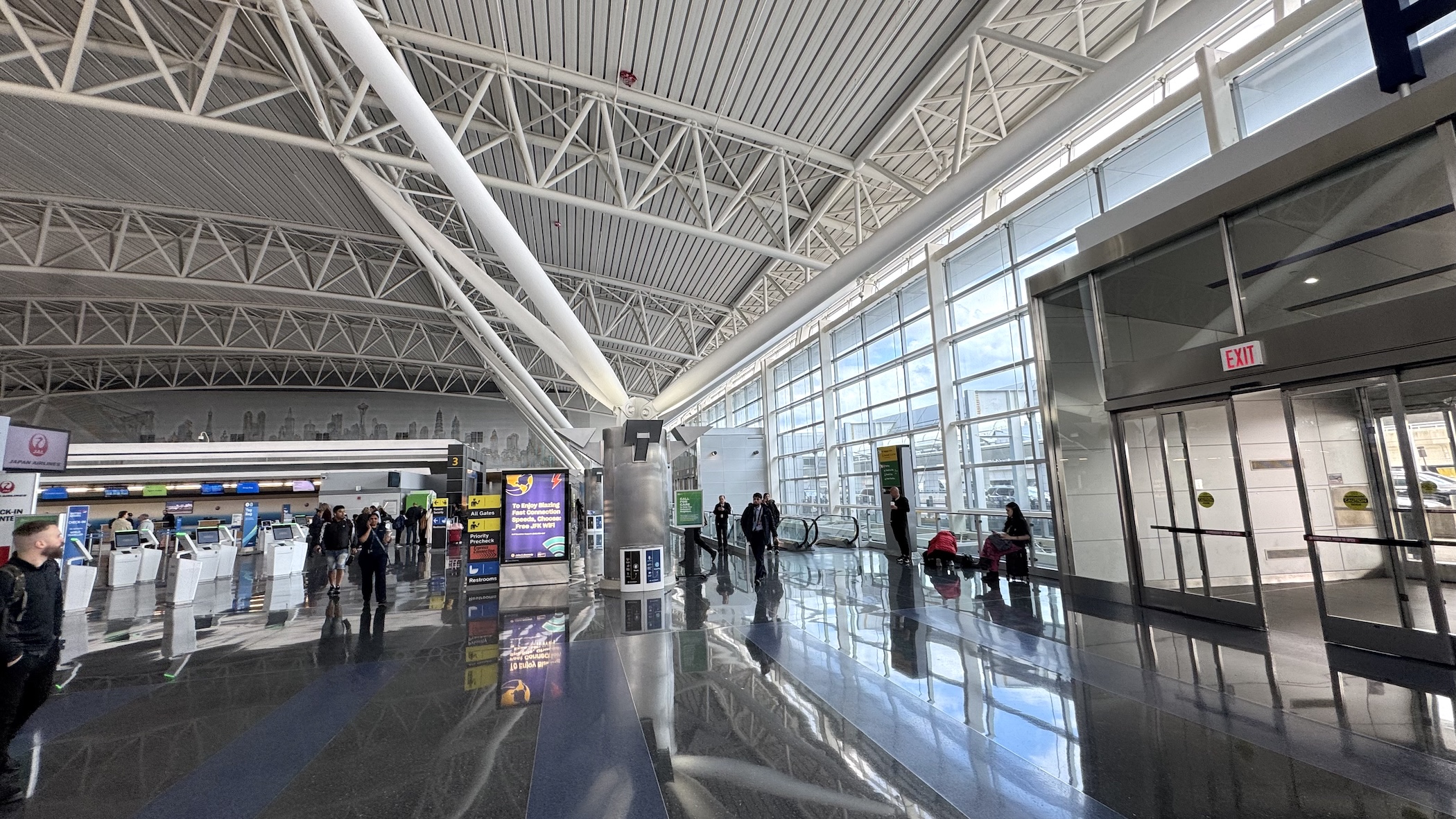
John F. Kennedy International Airport serves as one of the most significant international gateways in the United States, processing millions of connecting passengers annually between international and domestic destinations. By eliminating the need for eligible travelers to reclaim and recheck their baggage, this initiative simplifies the transfer process during busy travel periods. For long-haul passengers connecting to domestic flights, this change is particularly beneficial.
Furthermore, this program aligns with JFK’s ongoing modernization initiatives, which include the New Terminal One project. This comprehensive redevelopment aims to enhance passenger flow and improve baggage handling systems, contributing to a more efficient airport experience.
The Broader Implications
Although CBP has yet to release specific performance metrics for International Remote Baggage Screening, the program presents significant potential for minimizing one of the most tedious aspects of international connections at U.S. airports. For airlines, the decrease in manual baggage transfers can streamline operations and lessen the likelihood of luggage mishandling. For passengers, removing the reclaim-and-recheck step opens up possibilities for tighter flight connections while still adhering to existing CBP inspection protocols.
This innovative approach could set a precedent for the future of international connectivity in U.S. airports. If successful, it may be expanded to include more airlines and airports, gradually transforming how international connections are managed at major hubs across the country. As the travel industry continues to evolve in response to passenger needs, such initiatives could enhance convenience, efficiency, and overall satisfaction in air travel.