
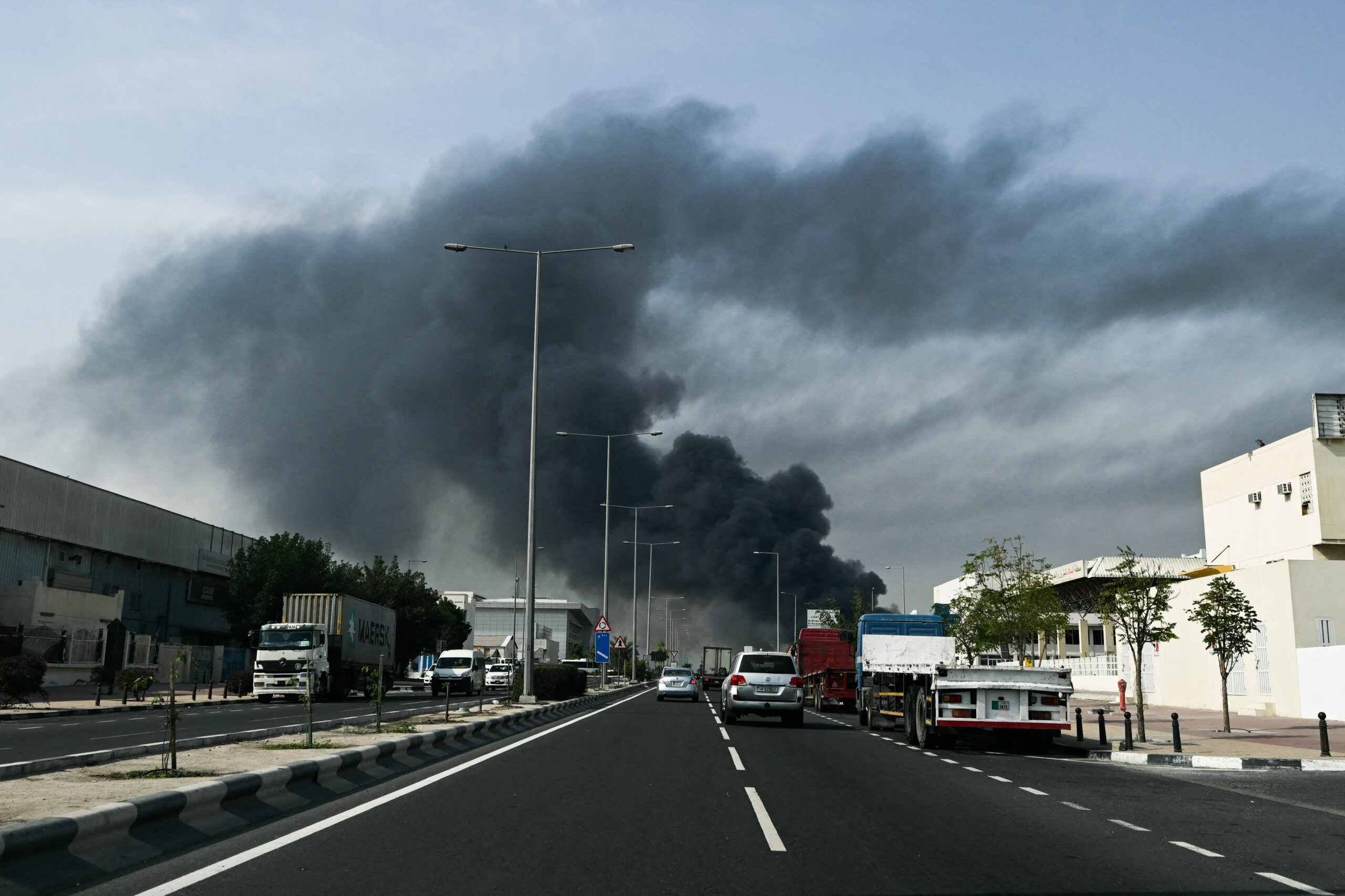
Qatar is facing a complex geopolitical situation as tensions escalate in the Middle East, particularly following Iranian military actions that have raised concerns among regional analysts. While there is speculation about a potential shift in Qatar’s alignment with Iran, experts largely believe that the country’s stance toward Israel and its support for various factions will remain largely unchanged.
Tensions and Economic Ramifications
In the lead-up to recent military conflicts, Qatar has historically maintained a pragmatic relationship with Iran, mainly focused on economic partnerships. However, the ongoing war has revealed the challenges in this diplomatic balancing act, particularly as Iran has targeted key American allies in the region. The impacts on Qatar have been significant, with substantial damage to its civilian, energy, and military infrastructure. Estimates indicate that the strikes on Qatar’s liquefied natural gas facility alone have resulted in over $20 billion in lost revenues, highlighting the dire consequences of the conflict.
As outlined by Natalie Ecanow, a senior research analyst, the Iranian strikes have led to a noticeable deterioration in Qatar’s relations with Tehran. Measures taken by Doha, such as expelling Iranian military personnel and cracking down on Iran’s Revolutionary Guard Corps cells, showcase the city-state’s frustration. Ecanow’s remarks about Qatar’s Prime Minister calling the strikes “a big sense of betrayal” underscores a shift in sentiment that indicates a potential reevaluation of its alliances.
New Regional Alignments
As a result of the escalating tensions, analysts like Kristan Diwan predict that Qatar may realign itself with other regional players who share its interests. This coalition of Sunni-majority countries, led by Saudi Arabia, could include Turkey, Pakistan, and Egypt, as they navigate shared challenges in Syria, Lebanon, and the Palestinian territories. Diwan notes that collaboration among these nations could amplify their collective impact while distributing responsibilities more evenly.
Nevertheless, any movement toward greater cooperation with these countries is not likely to translate into a warmer relationship with Israel. Diwan cautions that this emerging coalition views the current Israeli government as a significant threat to stability in the region. Rather than aligning with Israel, these nations may seek to adopt more confrontational stances against both Iran and Israel, which could create a more flexible approach toward groups like the Muslim Brotherhood.
Qatar’s Ideological Stance Remains Steadfast
Despite the economic setbacks brought on by the ongoing conflict, experts express skepticism regarding any significant ideological shift in Qatar’s position toward Israel or its support for anti-Israel narratives. Jonathan Ruhe from the Jewish Institute for National Security of America articulates this sentiment, arguing that the financial pressures from the war will unlikely lead to a reevaluation of Qatar’s ideological commitments. Doha retains the means to perpetuate its anti-Israel stance through various media outlets and organizations, particularly Al Jazeera, which continues to serve as a platform for its messaging.
Moreover, Qatar faces minimal external pressure to alter its course. The favorable relationship it enjoys with the Trump administration continues to bolster its standing in the region. While Qatar’s interactions with Iran have severely deteriorated, its potential to strengthen ties with Turkey and Saudi Arabia allows for a sustained anti-Israel narrative, further complicating any possible alignment with Western interests.
In an intricate geopolitical landscape, Qatar’s relationships—both with Iran and other regional powers—will continue to evolve, though any meaningful shift in its ideological posture appears unlikely. As Ecanow points out, the deep-rooted economic ties between Qatar and Iran, particularly over natural gas reserves, will complicate any potential breakup, suggesting that Doha’s interests may remain intertwined with those of Tehran, despite the ongoing regional tensions.