
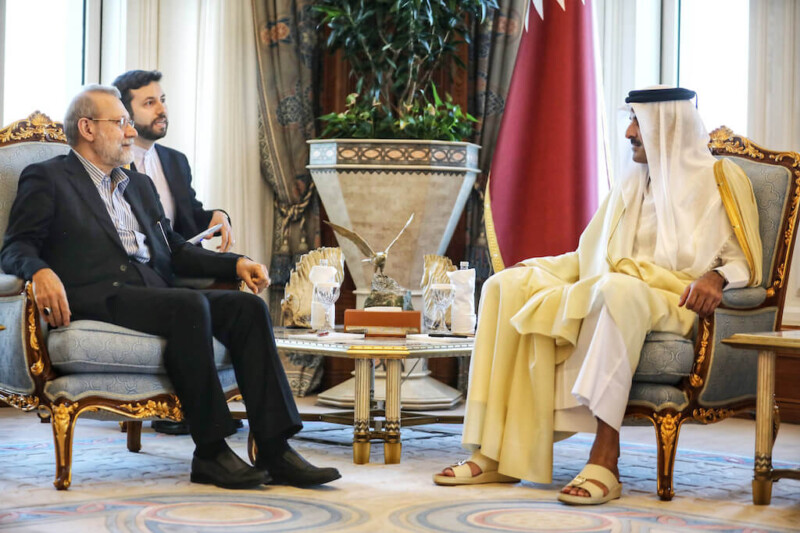
In the evolving landscape of Gulf security, Qatar’s diplomatic approaches are central to fostering stability and cooperation. The perceptions and policies among the Gulf Cooperation Council (GCC) members regarding the Iranian threat differ significantly, influencing regional dynamics. Understanding these complexities can help illuminate Qatar’s strategic aspirations within a broader geopolitical context.
Understanding GCC Perspectives on Iran
The GCC’s varied perspectives on Iran’s influence often lead to disparate security strategies. Qatar and Oman generally advocate for engagement and dialogue with Tehran, seeking to maintain open lines of communication. Conversely, Saudi Arabia, the UAE, and Bahrain adopt a more confrontational stance, perceiving Iran as a direct threat to their national security. This discord creates challenges for a unified GCC approach to regional security, complicating efforts to establish a cohesive strategy against perceived threats.
The recent restoration of diplomatic relations between Saudi Arabia and Iran—brokered by Chinese intermediaries—highlights a newfound willingness to explore diplomatic solutions. While this thawing of relations does not eliminate the underlying rivalry, it indicates potential for managing tensions more effectively. Qatar’s initiative aims to institutionalize this dialogue, proposing a framework that could facilitate ongoing communication and conflict resolution. However, Qatar cannot navigate this diplomatic course alone; it requires collaborative efforts among GCC nations to reach a mutual understanding of their security priorities.
The Need for a Consensus-Based Approach
Before Qatar can extend its proposals for dialogue to include Iran, it is crucial for GCC members to establish a baseline consensus on security issues. This consensus could form the foundation for a broader framework that incorporates Iran while fostering regional stability. Without initial agreement among GCC states, any effort toward inclusive discussions may falter, making it imperative for all members to align their security calculations.
Interestingly, Qatar’s vision of a collaborative security architecture does not come at the expense of military deterrence initiatives. For instance, the Mecca Joint Defence Agreement, involving Saudi Arabia, Türkiye, and Pakistan, emphasizes robust defense through military collaboration. At first glance, this focus on military deterrence might appear at odds with Qatar’s emphasis on dialogue, but ideally, the two strategies can coexist and complement each other. Strengthening defense capabilities backed by diplomatic dialogue offers a dual approach aimed at minimizing risks of conflict while enhancing regional stability.
Strategic Interests Driving Qatar’s Security Agenda
Qatar’s advocacy for a diplomatic framework is deeply entwined with its national interests. The nation’s substantial liquefied natural gas (LNG) exports and significant global investments necessitate a stable regional environment to protect its economic portfolio. Furthermore, the ambitious economic reforms underway in neighboring countries like Saudi Arabia and the UAE underline the necessity for sustained peace in the region. A large-scale conflict in the Gulf could disrupt critical trade routes and economic infrastructure, presenting immediate challenges to Qatar’s security and development goals.
Thus, regional stability is not merely an aspirational goal for Qatar; it is essential for its national growth and international standing. Moreover, Qatar’s proactive approach in global diplomacy allows it to act as a facilitator among various actors, including those with conflicting interests. This role as a “safety valve” during times of crisis further exemplifies how Qatar is strategically positioning itself to enhance regional cooperation while safeguarding its own national security interests.
By leveraging diplomacy alongside military readiness, Qatar seeks to forge a multilayered security architecture, crucial for addressing both immediate threats and long-term stability in the Gulf region.