
A recent intelligence report reveals that Qatar has been providing economic and military assistance to Iran for several years. This support includes supplying rocket fuel and materials necessary for drone construction. The collaboration intensified in 2018 when the United States withdrew from the Iran nuclear agreement, an action that has had ongoing repercussions in the region, especially following the Hamas-led attack on October 7, 2023.
Qatar and Iran: A Growing Partnership
The Kan public broadcaster highlighted that the partnership between Qatar and Iran began to strengthen after the U.S. withdrawal from the nuclear deal, which had been established in 2015. This growing cooperation has reportedly facilitated a significant increase in trade and mutual support in various sectors, particularly energy. Following the Hamas-led escalation, the implications of such ties raise serious security concerns for neighboring countries, particularly Israel.
With Qatar holding approximately $6 billion in frozen Iranian assets, there are fears that these funds may be diverted to support militant activities rather than aid in economic growth. The report did not specify the intelligence agency that provided the information, nor did it clarify the details surrounding the report’s origins or its timeline.
Support for Militant Groups
The intelligence findings suggest that both Iran and Qatar have been working together to bolster groups such as Hamas, whose leadership has been based in Doha. This relationship has drawn the ire of several Gulf states, leading to diplomatic rifts when Qatar chose to back certain Islamist factions. The dynamics shifted further when Qatar hosted a U.S. military base, becoming a focal point for American interests in the region.
In addition to the economic collaboration, reports state that Qatar has supplied Iran with military materials classified as dual-use—items that can serve civilian and military purposes. These supplies include components necessary for rocket and drone construction. As Iran continues to engage in hostilities with Israel and other regional players, concerns rise that Qatar may play a central role in supporting these operations through its resources.
The Implications of the Relationship
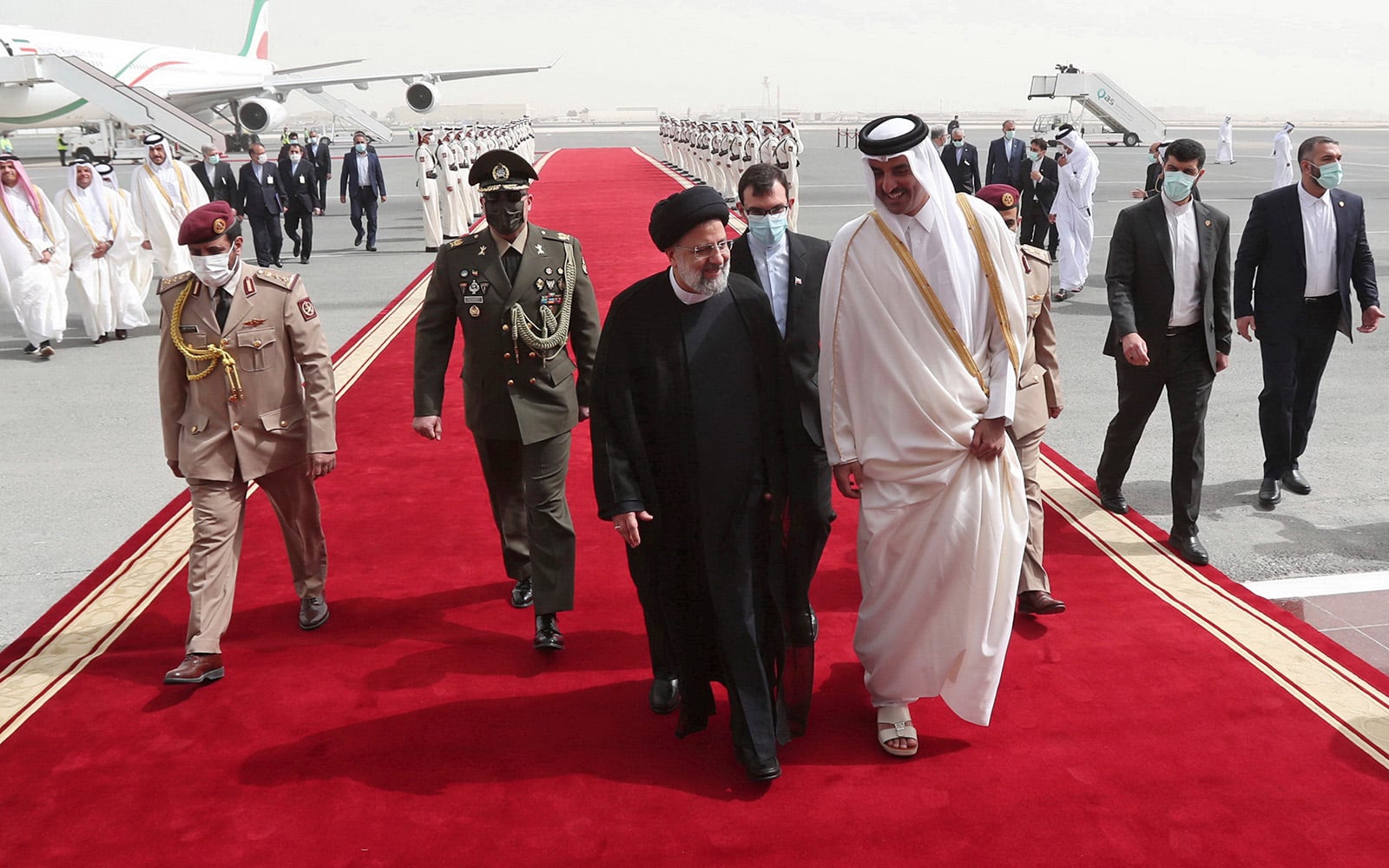
Analysis indicates that the escalation of economic and military links between Qatar and Iran may pose deeper implications for the geopolitical landscape of the Middle East. In 2020, during a significant visit from the Emir of Qatar to Tehran, Iranian authorities expressed their desire to enhance economic cooperation. This visit marked a pivotal moment, exemplifying how swiftly relations can evolve, further complicating existing tensions within the region.
With cross-border conflicts intensifying, particularly evident through Iranian missile attacks targeting various nations, the role of Qatar now stands as a double-edged sword. While it serves as a mediator in conflicts, its close ties to Iran could undermine its position and create discord among its allies, especially the United States and Israel. In light of these developments, the future of Qatari-Iranian relations warrants close monitoring.
In summary, the clandestine cooperation between Qatar and Iran, particularly in economic and military spheres, is causing ripples in the regional balance of power. As nations and organizations evaluate their strategies, the intricate web of alliances will be critical in determining the next steps in this ever-evolving situation.