
In a significant development regarding the alleged corruption surrounding the awarding of the 2022 FIFA World Cup to Qatar, France’s financial prosecutor’s office has called for four individuals to face trial. This inquiry involves prominent figures in football governance and highlights ongoing concerns about integrity within the sport.
The Accusations Against Key Figures
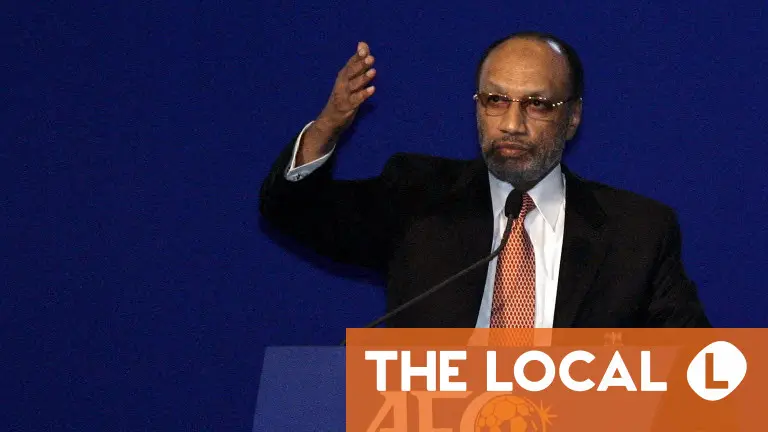
The prosecutor’s office has specifically named Mohamed Bin Hammam, the former Asian football chief who has previously been banned for life from football due to corruption allegations. This request, confirmed by AFP at the end of August, marks a crucial progression in a long-running investigation that began back in 2019. At the heart of this inquiry is the role Bin Hammam allegedly played in aiding Reynald Temarii, the former president of the Oceania Football Confederation (OFC). This occurred just before the contentious vote on December 2, 2010, which ultimately saw Qatar awarded the World Cup.
Temarii is also among the individuals targeted by the probe. Following claims of unethical conduct, he was suspended from FIFA’s executive committee prior to the historic vote, which further contributed to the accusations against him and Bin Hammam. The investigation will determine whether these actions constituted “passive private corruption,” prompting the prosecutor’s office to seek legal recourse.
Financial Implications and Preventive Measures
One significant detail emerging from the investigation is the financial support provided by Bin Hammam to Temarii. Reports indicate that he paid a staggering €305,000 to cover Temarii’s defense costs, which effectively obstructed the OFC from appointing a replacement voter. This tactical financial maneuver reportedly influenced the outcome of the vote, raising eyebrows around the integrity of the selection process. Had the OFC appointed a different representative, Australia might have won the bid instead of Qatar, altering the landscape of international football altogether.
As the investigation unfolds, the final decision now lies in the hands of the investigating judges, who will ascertain whether to proceed with legal action against Bin Hammam and Temarii. The call for trial aims to clarify accountability in this extensive corruption probe.
The Wider Context of Corruption in Football
Corruption in football governance remains a pervasive issue, and cases like this one draw attention to the wider implications for the sport’s reputation. The other two individuals being investigated alongside Bin Hammam and Temarii include consultant Jean-Charles Brisard and his former spouse, Geraldine Lesieur, who previously acted as Temarii’s attorney. The prosecutor’s office has alleged that both were involved in “fraud and receiving the proceeds of corruption,” highlighting the multifaceted nature of the claims.
Temarii himself has described his situation as a “victim of fraud,” adding another layer of complexity to the unfolding scandal. This statement is indicative of the broader struggles within football administrations and points towards the need for increased transparency and ethical conduct in future governance.
As this saga continues to develop, it serves as a reminder of the challenges football faces regarding integrity and the necessity for regulatory reforms that could help restore faith in the sport’s governing bodies. With trials potentially on the horizon, stakeholders will be watching closely as the inquiry moves forward, hoping for outcomes that might set a precedent for ethical governance in the realm of international sports.