
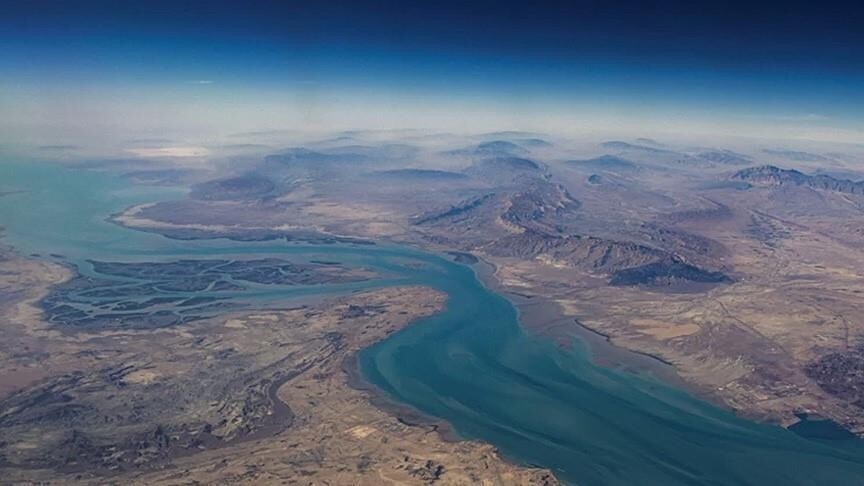
Gulf nations are actively exploring alternative routes for oil and gas exports amidst heightened security risks in the Strait of Hormuz. Following joint attacks by the US and Israel on Iran in late February, Tehran retaliated by closing this critical waterway, significantly impacting regional energy supply lines. The Strait of Hormuz, which typically accounts for about 20% of global oil flows, has exposed vulnerabilities within the energy infrastructures of Gulf countries, prompting urgent discussions and strategic pivots.
Impact on Gulf Nations’ Energy Security
The closure of the Strait has forced Gulf states to reassess their energy export strategies. Currently, only Saudi Arabia and the United Arab Emirates (UAE) possess pipeline infrastructure sufficient to bypass the Strait. According to the US Energy Information Administration (EIA), Kuwait, Qatar, and Bahrain remain heavily reliant on maritime routes through the Strait, significantly hampering their ability to export oil and gas. Oman, on the other hand, benefits from its position outside this choke point, allowing for increased operational flexibility.
Kuwait has faced severe economic disruptions, witnessing a dramatic decline in crude production that fell from 2.6 million barrels per day to just 573,000 in May, as its storage facilities hit maximum capacity. Although there has been a partial recovery to around 1 million barrels per day by September, this figure still reflects less than 36% of pre-crisis levels. The ongoing negotiations with Saudi Arabia for potential long-term pipeline projects do not alleviate Kuwait’s immediate vulnerabilities tied to the Strait.
Qatar’s LNG Crisis
Qatar is equally trapped in a structural energy crisis, particularly given its status as a leading exporter of liquefied natural gas (LNG), which is unsuitable for traditional pipeline transport. The nation faced direct attacks on commercial vessels, culminating in reduced operations at its Ras Laffan facility. These events have reportedly caused an estimated shortfall of 30 million metric tons in LNG export targets for 2026. Qatar has chosen not to pursue bypass pipeline alternatives and is instead mediating diplomatic talks alongside the US and Pakistan to restore maritime security in the region.
Bahrain, too, has suffered significant setbacks as its sole oil processing facility, the Sitra BAPCO refinery, has seen a complete operational halt due to infrastructural damage from strikes and logistical issues stemming from the blockade. These troubles deepened after drone attacks on the refinery exacerbated the crisis, crippling the nation’s energy economy.
UAE and Saudi Arabia: Diverging Paths
Conversely, the UAE has managed to navigate this crisis more effectively, primarily through its Habshan-Fujairah oil pipeline, also known as the Abu Dhabi Crude Oil Pipeline (ADCOP). This 360-kilometer pipeline directly links Abu Dhabi to the Gulf of Oman, enabling it to transport up to 1.8 million barrels of crude oil per day without relying on the Strait. In light of the current situation, the UAE is investing in further infrastructure to double its bypass capacity, aiming to boost production to 5 million barrels per day by the following year.
Saudi Arabia’s multi-billion-dollar East-West Crude Oil Pipeline has also demonstrated significant vulnerabilities. Following drone strikes from Iranian-backed Houthi militias, the pipeline’s operations were temporarily halted, forcing Saudi Aramco to reroute shipments through the increasingly congested Strait of Hormuz. This adjustment dramatically increased traffic in the Strait, highlighting Riyadh’s dependence on a route fraught with potential risks.
While Gulf nations are grappling with the fallout from this crisis, Oman has adeptly capitalized on its geographical advantages. Its ports along the Arabian Sea have turned into secure transshipment hubs, facilitating ship-to-ship transfers for other producers grappling with the threats in the Strait.
In summary, the recent turmoil in the Strait of Hormuz has highlighted the precariousness of Gulf countries’ energy security. The economic impacts have already materialized, with crude exports from the region dropping by 36.4%, resulting in a staggering $15.2 billion loss in oil revenues during the crisis’s initial month. The evolving dynamics underline the necessity for alternative strategies and resilience in the Gulf energy sector.