
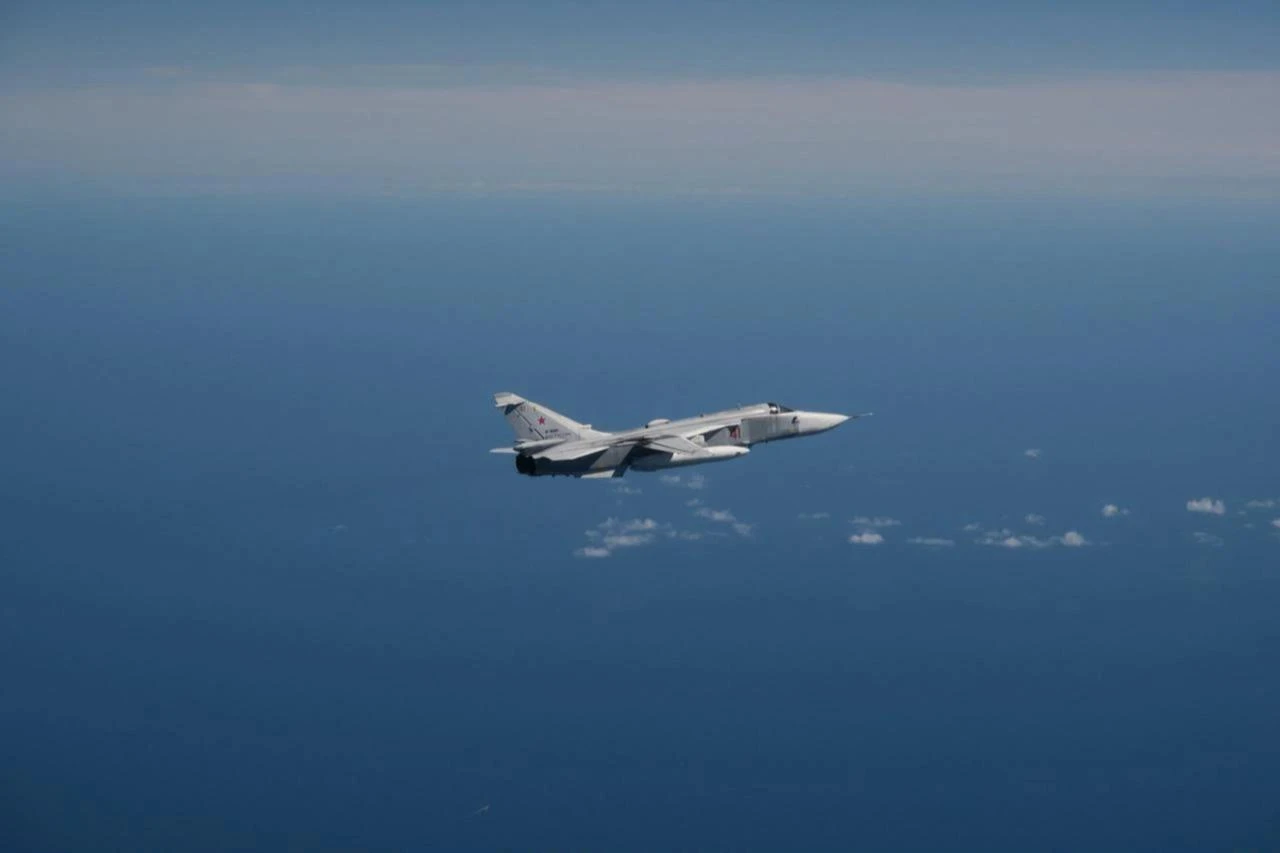
Iran has made a formal appeal to Qatar for the release of three Iranian fighter pilots captured during the escalating conflicts in the Middle East. This request comes six months after the pilots were shot down in a military incident that marked a significant escalation in regional tensions. General Mohammad Bagherzadeh, representing Iran’s armed forces, has publicly identified the detained pilots and stressed the urgency for their release.
Details of the Pilots’ Capture
The three pilots—Javad Salehi, Abdolmajid Dashtian, and Omran Behraveshian—were reported to have survived the incident involving their Su-24 aircraft. Initially, there had been confusion regarding their status, with Iran claiming that at least one pilot was killed while others were unaccounted for. The new information clarifies that these three men were taken into custody by Qatari forces following their downing. According to Bagherzadeh, the pilots have not been allowed to communicate with their families, amplifying concerns about their wellbeing.
In a letter to the International Committee of the Red Cross, military officials in Iran urged immediate action for their release, marking the first public acknowledgment of the pilots’ survival and detention. The request underscores Iran’s commitment to ensuring the pilots’ safety and returning them to their families amid ongoing hostilities in the region. The Qatari foreign ministry has yet to respond to these developments.
Context of the Incident
The downing of the fighter jets occurred during a period marked by heightened military actions among regional states, specifically following the onset of a broader conflict that began with US and Israeli strikes. Qatar’s ministry of defense confirmed their role in shooting down the two Iranian Su-24 bombers. However, it remains unclear whether these aircraft were the same ones involved in the incident attributed to Bagherzadeh’s report. This event represents the first acknowledgment of a hostile engagement with Iranian air assets by a Gulf state since the conflict escalated.
Additionally, in a troubling twist, last month, Iran announced the retrieval of the remains of another pilot, Majid Kazemi, who was killed during an attack on the Al Udeid Air Base, which plays a crucial role in U.S. military operations in the region. This highlights the increasingly complex and dangerous dynamics at play as regional powers maneuver amidst the ongoing conflict.
Shifts in the Conflict Landscape
Despite diplomatic attempts to stabilize the situation with an April ceasefire and a peace framework established in June, the agreement quickly fell apart, leading to renewed violence. The exchanges between U.S. and Iranian forces have continued sporadically, primarily in southern Iran and around the strategically significant Strait of Hormuz. This waterway is vital for global oil transportation, making any instability in the area a matter of international concern.
Qatar has also faced increased military pressure since the collapse of the ceasefire, with significant reports of strikes within its territory and against Qatari vessels operating in the vicinity. Nevertheless, Qatar remains resolute in its efforts to mediate a resolution, collaborating with partners like Pakistan to facilitate negotiations.
While the intensity of U.S.-Iranian confrontations has somewhat lessened since late July, the specter of conflict remains, especially with ongoing skirmishes in the Hormuz strait. The recent developments concerning the detained pilots serve as a poignant reminder of the broader implications of these hostilities, not just for the countries involved but for regional stability and international relations as well.