
Iran has recently communicated its formal conditions for ending the ongoing conflict with the United States through Qatari intermediaries. These developments are pivotal for understanding the current dynamics in the Middle East and the potential for future diplomatic engagements.
Iran’s Conditions for Peace Talks
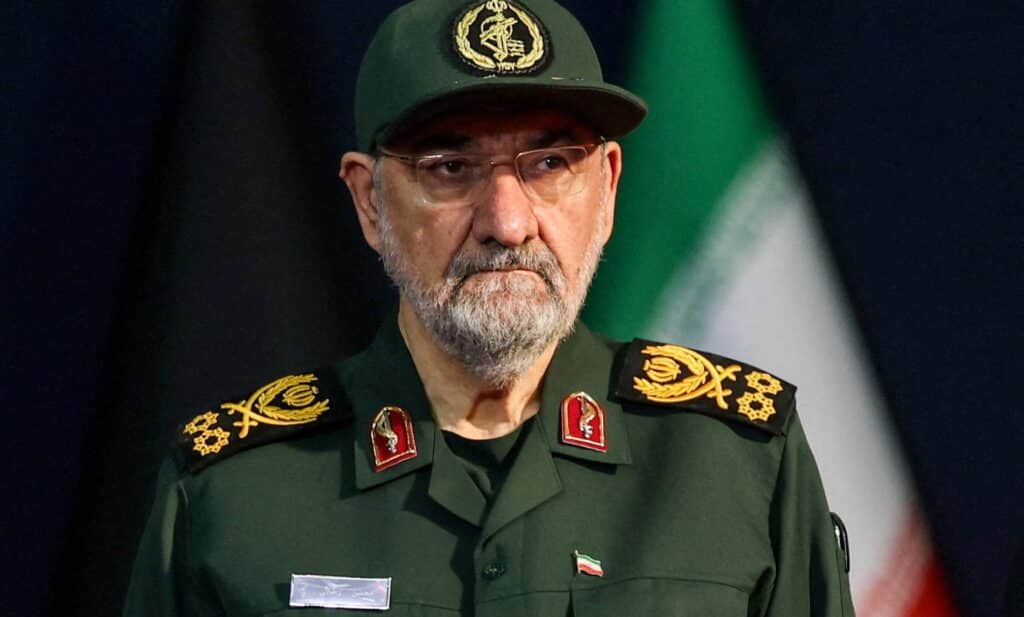
According to various reports, including one from Al Jazeera, Iranian officials have relayed several key demands to Washington through diplomatic channels in Qatar. Mohsen Rezaei, the secretary of Iran’s Supreme National Security Council, mentioned that Tehran is awaiting a response from President Donald Trump. Among the conditions presented are a complete cessation of hostilities across all fronts, the release of previously frozen Iranian assets, and an end to the naval blockade affecting Iran. Rezaei emphasized that accepting these terms would align with US interests, highlighting Qatar and Pakistan’s ongoing efforts to restore negotiations after a previous memorandum of understanding expired last month.
Military Readiness and Strategic Assessments
Iran’s military stance remains firm, with Rezaei suggesting that another US military strike is a significant possibility. This sentiment is based on military assessments within Iran, which indicate that Tehran is fully prepared for any potential escalation. Rezaei specified that Iran’s military focus is currently directed at US naval forces operating from the Gulf to the Gulf of Oman and the Arabian Sea. Recently, Iran conducted tests on a multi-warhead anti-ship missile near a US naval asset, indicating that the country is not only prepared for conflict but also advancing its military capabilities.
Rejection of US Allegations
Despite ongoing tensions, Rezaei dismissed US claims that Iran violated the terms of the expired memorandum by attacking an oil tanker in the Strait of Hormuz. He argued that Iran’s retaliatory actions were legitimate responses to US strikes against Iranian interests, including an assault on Bandar Abbas and an Iranian surveillance platform. This rejection of US allegations signifies Tehran’s intent to maintain a strong narrative in the international arena, framing their actions as defensive rather than aggressive.
Nuclear Policy and Regional Engagements
Addressing concerns around Iran’s nuclear ambitions, Rezaei affirmed that Iran remains a member of the Nuclear Non-Proliferation Treaty and is committed to a fatwa prohibiting the development of nuclear weapons. However, he warned that increasing pressure from external parties might influence Iran’s future decisions regarding its nuclear program. Rezaei also asserted that Iran is not involved in the ongoing conflict in Yemen and hinted at a potential agreement with Oman concerning the Strait of Hormuz, which would necessitate regional support.
These discussions underscore the complex interplay of diplomatic efforts, military readiness, and regional politics in the Middle East, illustrating how a resolution to this long-standing conflict may hinge on the willingness of both sides to engage in meaningful dialogue.