
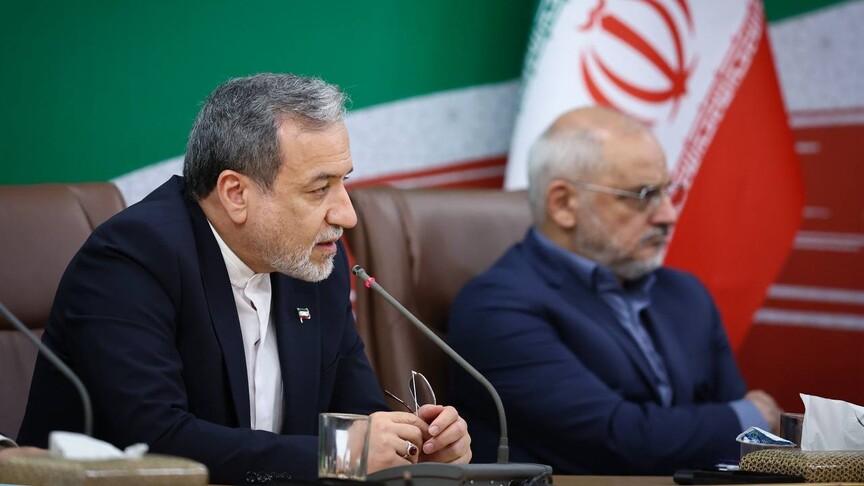
Iran’s Foreign Minister, Abbas Araghchi, has been actively engaging in diplomatic discussions to alleviate regional tensions. On Tuesday, he held separate conversations with Pakistan’s Army Chief, Field Marshal Asim Munir, and Qatari Foreign Minister, Mohammed bin Abdulrahman Al Thani. The primary focus of these talks was to pursue collaborative efforts aimed at fostering peace and stability in the region.
Promoting Peace and Security through Dialogue
During his dialogue with Field Marshal Munir, Araghchi emphasized the importance of continuous dialogue and cooperative endeavors to enhance regional security. The situation in the Middle East has remained precarious, and both officials underscored the need for ongoing consultations to address the underlying issues that contribute to instability. Such dialogues are crucial in establishing a framework that not only ensures peace but also promotes mutual respect among neighboring countries.
Conversing with Al Thani, Araghchi highlighted the critical role that diplomatic channels play in mitigating rising tensions in the region. The discussions included a review of recent developments, particularly the negotiations between Oman and Iran to set up a temporary shipping corridor through the vital Strait of Hormuz and initiatives to remove mines from the waterway. Qatar’s Foreign Minister reiterated his country’s unwavering support for initiatives aimed at ensuring safe maritime navigation.
Strategic Developments in Maritime Security
Oman and Iran’s announcement regarding the establishment of a joint shipping corridor and mine-clearance initiative is a notable strategic development. Following discussions between Omani Foreign Minister Badr Albusaidi and Araghchi in Tehran, a framework was proposed to address concerns related to maritime security in one of the world’s busiest shipping routes. This initiative aligns with efforts to foster stability and protect trade routes essential for global commerce.
The developments came alongside statements from the White House, confirming that the US Navy had completed the removal or detonation of mines in international waters of the Strait of Hormuz. The United States maintains that this strait must remain free for navigation and opposes any arrangements that would formally empower Iran in managing maritime traffic. As Washington continues to advocate for a safer southern shipping route near Omani waters, it remains focused on upholding sanctions against Iran while securing its own maritime interests.
Regional Reactions and Future Considerations
Recent military escalations, including a surprise attack by the US and Israel on Iran, have prompted Tehran to retaliate against both US and Israeli targets in the region. The cycle of violence has underscored the fragile nature of peace in the Middle East. Diplomatic efforts, such as the memorandum of understanding signed between the US and Iran with the assistance of Pakistani and Qatari mediators, aimed to navigate these complexities but have encountered significant obstacles.
The recent resumption of military actions by the US has further complicated the landscape. As tensions escalate, it becomes increasingly crucial for regional players to engage in constructive dialogue. The coordinated efforts by Iran, Pakistan, and Qatar signify a step in the right direction but will require sustained commitment and cooperation to build a long-lasting peace.