
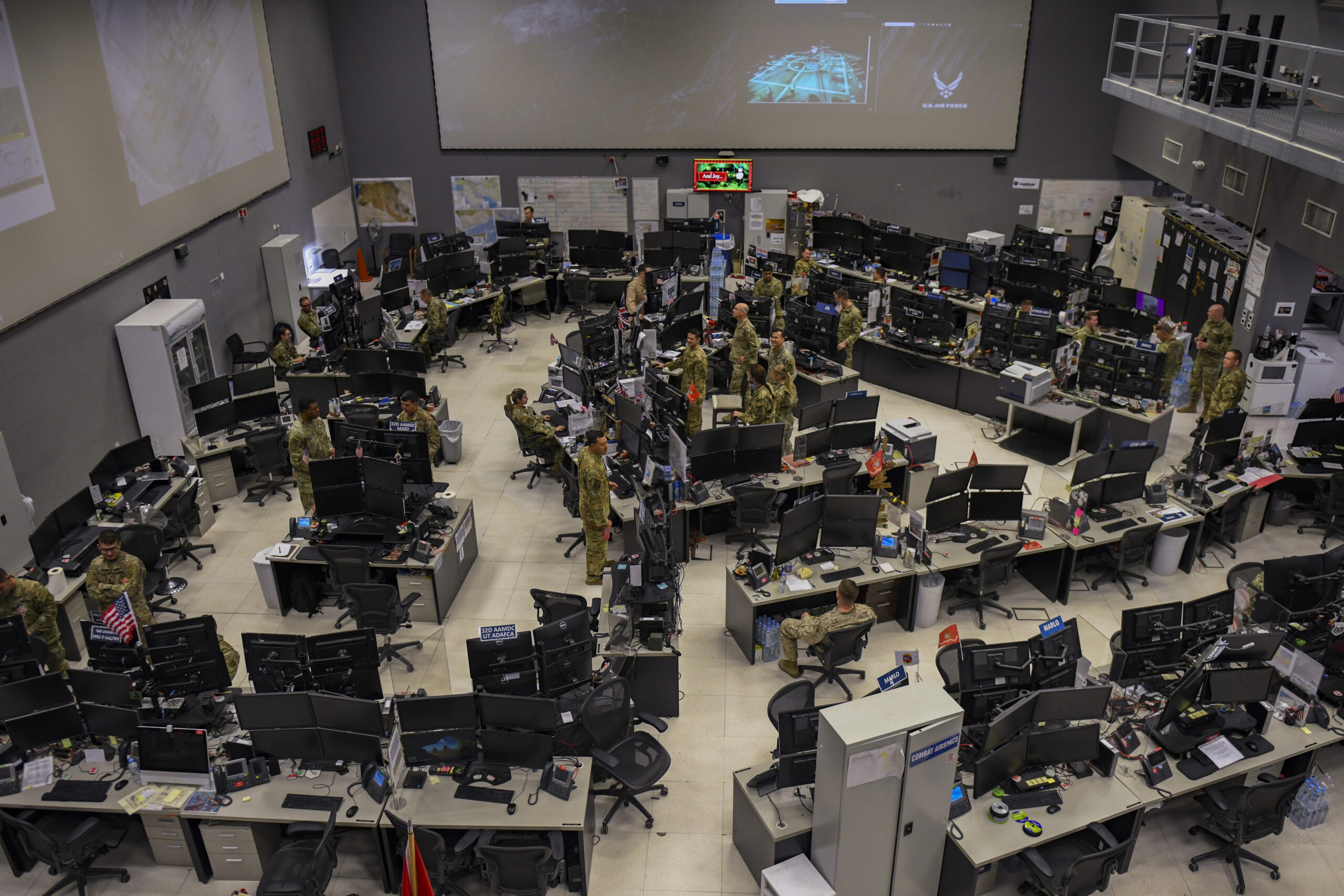
The recent conflict with Iran has raised significant concerns regarding the safety and functionality of the Combined Air Operations Center (CAOC) at Al Udeid Air Base in Qatar. This critical facility, which has controlled U.S. air operations in the Middle East for more than 20 years, was directly attacked during the war, prompting discussions on its future viability. Fortunately, the building was unoccupied at the time, and no casualties resulted from this strike.
Details of the Attack on the Combined Air Operations Center
Reports indicate that multiple Iranian missiles targeted the CAOC early in the conflict, inflicting considerable damage and leaving the facility inoperable. However, despite this assault, the ongoing air campaign known as Operation Epic Fury, which commenced on February 28, was seamlessly managed from an alternative command location at Shaw Air Force Base in South Carolina. Prior to the outbreak of hostilities, U.S. personnel had already been relocated from Al Udeid to mitigate risks associated with a possible Iranian counterstrike.
Instead of relegating the entire operational command to Al Udeid, U.S. forces effectively transitioned to an alternative facility, a move that underscores the military’s foresight in anticipating threats. This incident has prompted military strategists to consider the implications of rebuilding the CAOC at its current location, given its vulnerability to further attacks.
The CAOC’s Historical Significance
The CAOC has a rich history, evolving from its inception during Operation Desert Shield when the U.S. mobilized in response to Iraq’s invasion of Kuwait in 1990. Initially housed in tents in Riyadh, its operations moved to more permanent structures as missions expanded. The CAOC has played a crucial role in various military engagements, including major operations in Afghanistan and Iraq.
In 2003, the CAOC relocated to Al Udeid amid growing concerns in Saudi Arabia regarding the American military presence. A new facility, constructed with advanced technology and hardened infrastructure, was designed to withstand potential threats. This state-of-the-art command hub has facilitated air operations across a varied landscape, covering a vast area stretching from the Red Sea to Afghanistan.
Strategic Considerations Post-Conflict
The situation has prompted significant reflection on the future of U.S. military infrastructure in the region. Retired Lt. Gen. David A. Deptula emphasized the need for future command centers to be fortified and potentially constructed underground to mitigate vulnerabilities associated with being above ground. The imperative for such changes is underscored by Iran’s extensive arsenal of ballistic missiles and drones, which can inflict severe damage on critical military assets.
The recent Iranian missile strikes have fueled further deliberations among Pentagon officials regarding the U.S. military’s footprint in the Middle East. As operations transitioned swiftly to Shaw, the increasing emphasis on networked and dispersed command structures has become evident. Past assumptions of safety regarding centralized command centers are being reevaluated, which might reshape U.S. military strategies moving forward.
Conclusion and Future Implications
The incidents at Al Udeid highlight a critical juncture for U.S. military operations and infrastructure. As leaders deliberate on rebuilding or completely redesigning the CAOC, discussions will likely center around ensuring greater resilience against future threats. With lessons learned from the ongoing conflict with Iran, the U.S. military is poised to adapt its strategies and structures, emphasizing modern telecommunications and more secure command nodes. This incident serves as a stark reminder of the evolving nature of warfare and the importance of preparedness in dynamic and potentially hostile environments.