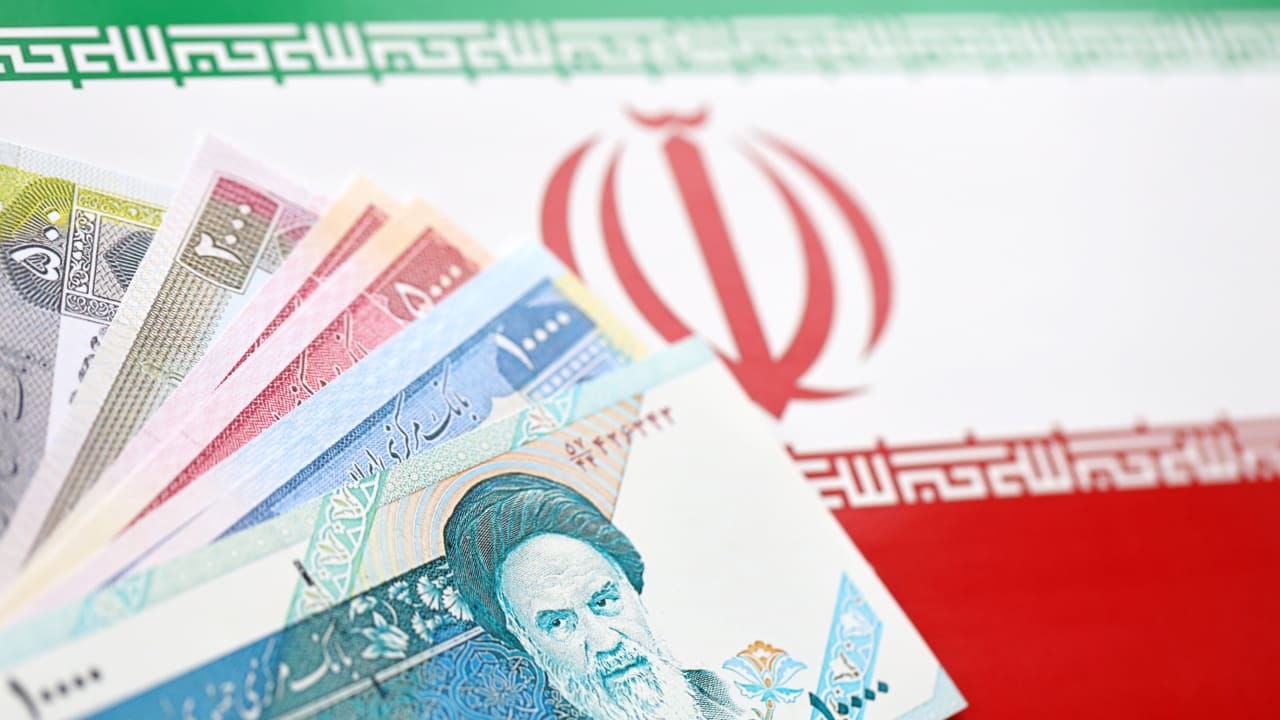
Iran has firmly requested the release of $12 billion in assets currently frozen in Qatar, asserting this as a necessary condition for the continuation of negotiations with the United States. This development was highlighted by Iran International, drawing from a knowledgeable source familiar with the ongoing discussions.
Negotiation Impasse
According to the same source, the immediate release of these funds is the primary hurdle in advancing towards a potential Memorandum of Understanding (MOU) between Iran and the U.S. This demand underscored Tehran’s broader expectation that all its offshore assets be unfrozen as part of any comprehensive agreement. Such financial concerns have emerged as pivotal in the dialogue between the two nations.
In earlier reports, a high-ranking Iranian official had indicated that the U.S. had tentatively agreed to unfreeze funds held in Qatar, although this claim was swiftly denied by a U.S. representative, creating further uncertainty in the discussions. A different Iranian source mentioned that an agreement to release $6 billion of frozen Iranian funds was expected, highlighting the intricate nature of these negotiations.
The Proposed Memorandum of Understanding (MOU)
The MOU, sometimes referred to as the “Islamabad Declaration,” aims to extend a ceasefire for 60 days and lays the groundwork for further discussions. If accepted by Iran’s Supreme National Council, it would require final approval from Mojtaba Khamenei, setting a structured path for potential peace talks following the ceasefire.
According to various sources, the draft of this MOU includes vital agreements, such as the reopening of the Strait of Hormuz without tolls, contingent on Iran clearing mines previously laid in the area. In return, the U.S. would consider lifting its blockade on Iranian ports and easing certain sanctions, permitting Iran to sell oil freely.
Nuclear Negotiations Still Unresolved
While the MOU addresses many significant issues, discussions surrounding Iran’s nuclear ambitions and enriched uranium stockpile remain contentious and are still ongoing. The proposal insists on Iran halting any pursuit of nuclear weaponry, but the complexities of enhanced uranium production and international assurances continue to pose a challenge.
Additionally, the MOU seeks to bring an end to the ongoing conflict in Lebanon involving Israel and the Hezbollah militant group. Notably, it outlines a framework where if Hezbollah maintains peaceful conduct, Israel will reciprocate, suggesting that the MOU strives for a broader regional stability.
High-Level Talks and Future Implications
In a related development, Iran’s Central Bank Chief, Abdolnaser Hemmati, has traveled to Qatar following discussions regarding the frozen funds. This visit demonstrates Iran’s intensifying focus on recovering its assets and reflects the urgent nature of these negotiations.
As both sides work through these complex issues, the outcomes will have significant implications for both Iran’s economy and its relationships on the international stage. The global community watches closely as these negotiations unfold, given their potential impact on regional and global peace.