
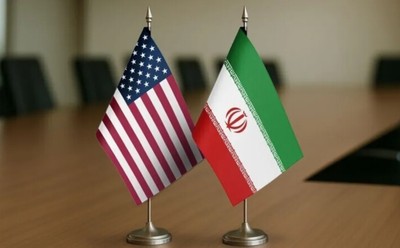
In recent developments, indirect communication continues between Iran and the United States, mainly facilitated by Qatar and Oman. As tensions persist, an Iranian lawmaker, Yaqoub Rezazadeh, has confirmed that both nations have communicated their terms for possible further discussions.
Ongoing Mediation Efforts
Rezazadeh, who serves on the National Security and Foreign Policy Committee of the Iranian Parliament, shared insights with the ILNA news agency. He indicated that representatives from both sides have presented their respective conditions through the mediators. “We have outlined a set of conditions for further engagement,” Rezazadeh stated, adding that the U.S. has reciprocated with their own terms. The next step is to see if the U.S. will accept Iran’s outlined conditions.
The oversight of these discussions falls under the jurisdiction of Iran’s Supreme National Security Council, ensuring that all communications align with national approval. This structured approach signifies the seriousness with which Tehran is treating the ongoing dialogues amid its complex relationship with Washington.
No Imminent Conflict Expected
Amid rising speculation regarding the potential for another armed conflict, Rezazadeh has dismissed such claims as baseless. He noted that predictions from betting markets, along with rumors of a possible preemptive strike by Iran, lack substantial grounding. According to the lawmaker, he does not foresee any new conflict erupting before the upcoming congressional elections in the United States or elections in Israel. However, he acknowledged the possibility of renewed hostilities should circumstances change unexpectedly.
Importantly, Rezazadeh emphasized that Iran is not planning a preemptive strike. Instead, he assured that the country would respond defensively if attacked. He further mentioned that Iran has made significant advancements in its military capabilities, including air defense and naval strength, compared to previous confrontations.
Regional Diplomatic Engagement
The mediation efforts by Qatar and Oman have remained consistent as regional actors seek to avoid escalating tensions. The latest discussions build on an understanding reached between the U.S. and Iran in Islamabad this past June. This previous arrangement aimed at reducing hostilities remains foundational for future talks, with both Pakistan and Qatar playing key roles in the mediation process.
Nevertheless, the road to a successful agreement is fraught with uncertainties, particularly due to ongoing military activities and unresolved issues related to implementation. Neither the statements from Iranian lawmakers nor the reported exchanges of conditions can confirm that a mutually agreeable resolution is on the immediate horizon.
While diplomatic channels indicate a desire for dialogue, the realities of international relations mean that both Iran and the U.S. remain at a standstill regarding the acceptance of preconditions. The effectiveness of mediation efforts from regional players like Qatar and Oman will be crucial in determining whether substantive negotiations can eventually take place.