
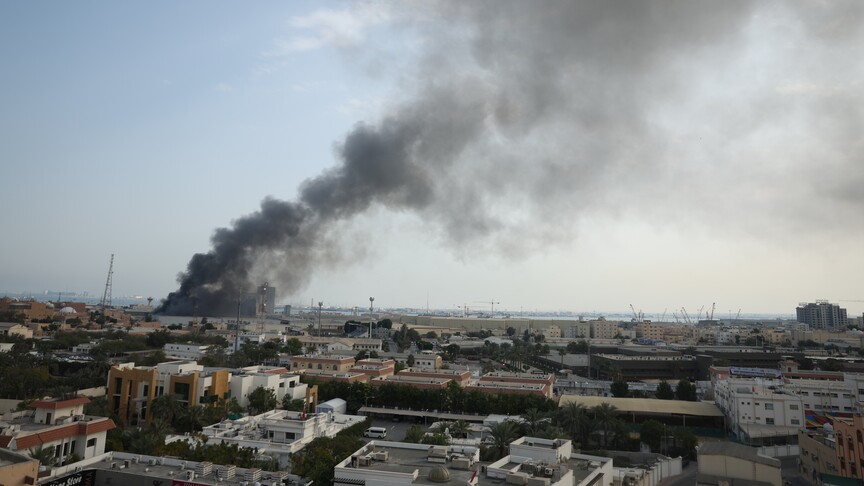
Iran’s military recently announced that it has targeted key infrastructure at U.S. military installations in Kuwait, Qatar, and Bahrain. This action appears to be a retaliatory measure in response to the latest American strikes on Iranian territory. The situation reflects escalating tensions between the two nations and highlights the complex dynamics in the region.
Iran’s Military Actions
According to a statement from Iran’s army, as reported by the state broadcaster IRIB, various military assets, including a Patriot air defense system in Kuwait and a satellite antenna in Qatar, were struck using an array of “destructive drones.” The Iranian forces aimed at fuel storage facilities belonging to the U.S. in Bahrain as part of their retaliation. This operation marks a significant escalation in military confrontations and emphasizes Iran’s commitment to responding to perceived aggressions.
IRGC’s Stance
Earlier in the day, the Islamic Revolutionary Guard Corps (IRGC) confirmed attacking U.S. installations in both Kuwait and Bahrain. They underscored their intention not to leave any U.S. military aggression unchallenged. The IRGC pointed out that recent U.S. attacks violated agreements and international norms, particularly concerning strikes in southern Iran. They issued a stern warning to the U.S. military, stating that any further aggression would provoke a robust response affecting additional military bases in the region.
Threats and Escalation
In their detailed briefing, the IRGC characterized their operations as the initial phase of retaliatory measures against what they termed “American treaty-breakers.” The military’s naval and aerospace divisions coordinated a joint missile and drone strike against several key sites in both Kuwait and Bahrain. These assaults came shortly after U.S. actions against Iran, showcasing the quick and calculated nature of Iran’s military response to external threats.
Despite the escalation, U.S. Central Command stated that American forces had initiated additional strikes aimed at diminishing Iran’s capacity to disrupt maritime navigation in the strategically important Strait of Hormuz. This area is crucial for global oil trade, making it a focal point for international tensions and military maneuvers.
The Bigger Picture
These unfolding events underline the fragile state of affairs in the Middle East, where military engagements can have far-reaching implications. The cycle of retaliation between Iran and the U.S. raises concerns about a potential larger conflict, drawing in various regional and global stakeholders. As both nations position themselves strategically, the international community watches closely, wary of the potential for further escalation.
In summary, the tensions between Iran and the U.S. have soared following the latter’s military operations in Iranian territory. The Iranian army and the IRGC have made it clear that they are prepared to take action in defense of their national integrity. As both sides remain entrenched in their positions, the situation warrants careful monitoring, given its potential to destabilize the already volatile region.