
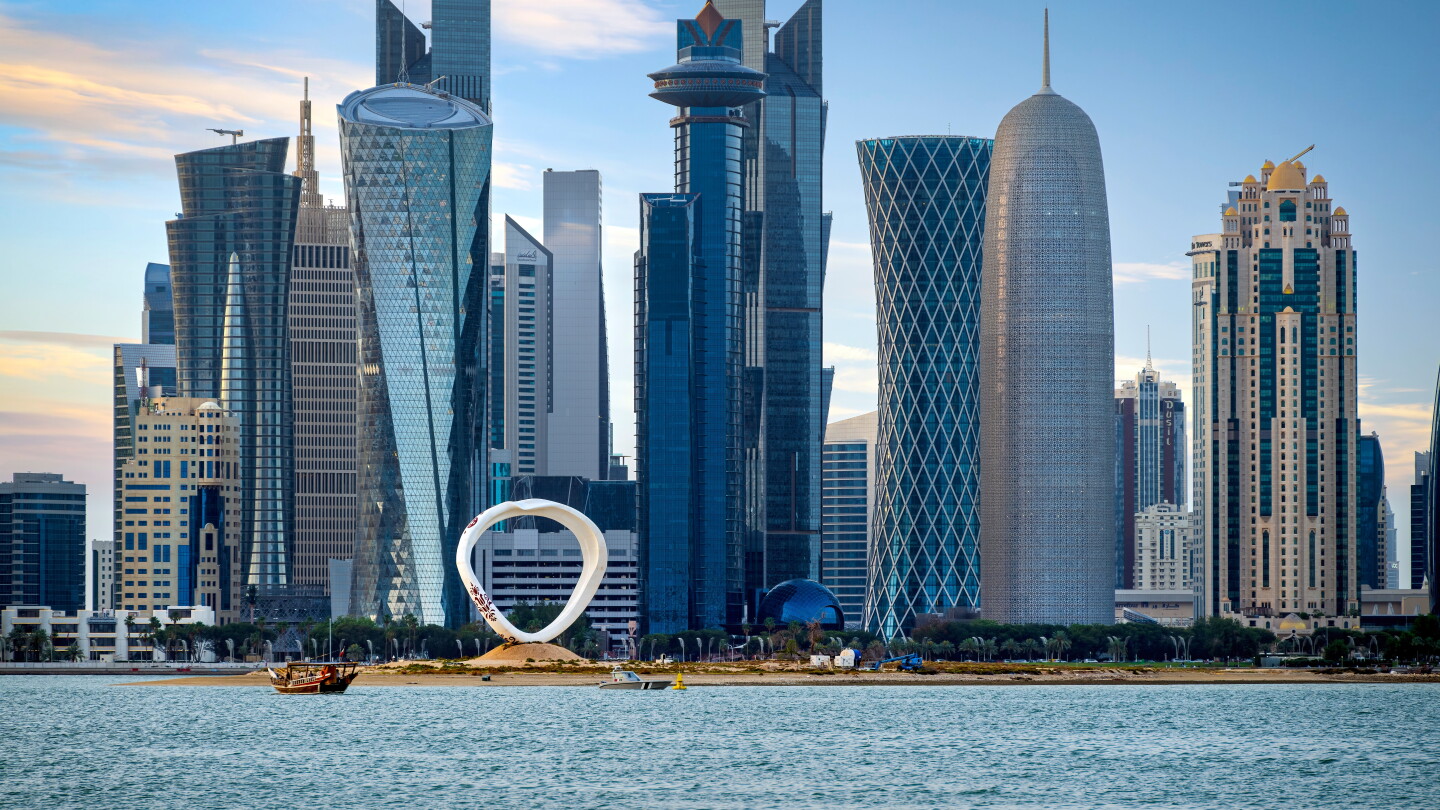
On July 12, 2026, Sheikh Hamad bin Khalifa Al Thani, the former Emir of Qatar, died, leaving behind a controversial legacy. His rise to power in 1995 involved a bloodless coup against his father, Sheikh Khalifa bin Hamad Al Thani, who was then in exile. This takeover marked the beginning of Qatar’s transformation from a quiet port city into an international powerhouse, largely attributed to Hamad’s strategic investments and modernization efforts. However, the repercussions of his actions continue to resonate in today’s complex geopolitical landscape.
The Rise of a Nation: Hamad’s Vision
Hamad’s reign significantly modernized Qatar’s infrastructure and global influence. Utilizing the nation’s vast natural gas reserves, he spearheaded initiatives for land reclamation and attracted foreign investment, positioning Qatar as a key player on the world stage. His second wife, Sheikha Moza, actively supported these changes through the Qatar Foundation, which focused on educational and cultural development. In a surprising decision in 2013, Hamad abdicated in favor of his son Tamim, effectively passing the torch of his ambitious vision.
Under Tamim’s leadership, Qatar has further expanded its footprint in the global arena. His administration has increased investments in Western educational institutions and media organizations, helping silence critics and promote a favorable image of Qatar abroad. However, this influence often blurs the lines between philanthropy and strategic partnerships, raising questions about the motivations behind Qatar’s financial contributions to various causes and organizations. While officials argue that altruistic aims drive their charitable endeavors, evidence suggests a pattern of exchange where financial support aligns with favorable treatment for Qatar’s interests.
The Challenges Ahead: Diplomatic Strains and Economic Struggles
Despite these advances, Qatar now faces mounting challenges. The ongoing tensions with Iran and hostile regional dynamics have forced the Emirate to navigate a precarious political landscape. Recent data highlights Qatar’s financial vulnerability, as it recorded its largest quarterly budget deficit to date—a staggering 21.2 billion Qatari rials ($5.8 billion) in the second quarter alone. With dwindling oil and gas revenues, concerns grow about the sustainability of Qatar’s ambitious projects.
Moreover, external pressures have begun to erode the soft power that Qatar had cultivated. Compromised political relationships in the U.S., particularly linked to actions during the Trump administration, have tainted Qatar’s image. The term “Qatar Force One,” associated with a $400 million gift to the former president, has raised alarm bells about corruption and foreign influence, painting a picture that could hinder future endeavors and partnerships.
Financial Future: A Fragile Economy
As Qatar grapples with these issues, the future appears precarious. Economic indicators suggest that the nation may struggle to recover from its current financial strain. The Iranian conflict has adversely impacted Qatar’s liquefied natural gas production capacity, significantly reducing an essential revenue stream. The broader implications of a diminishing financial foothold raise the question of whether Qatar can maintain its status and influence.
In summary, while Qatar’s trajectory has been marked by remarkable growth and international visibility, the current climate presents substantial obstacles. The Emirate must navigate these turbulent waters carefully, seeking sustainable solutions to its economic woes. As perceptions shift in Washington and beyond, the real question remains—can Qatar reinvent itself once again, or has it reached a tipping point from which recovery may be elusive?