
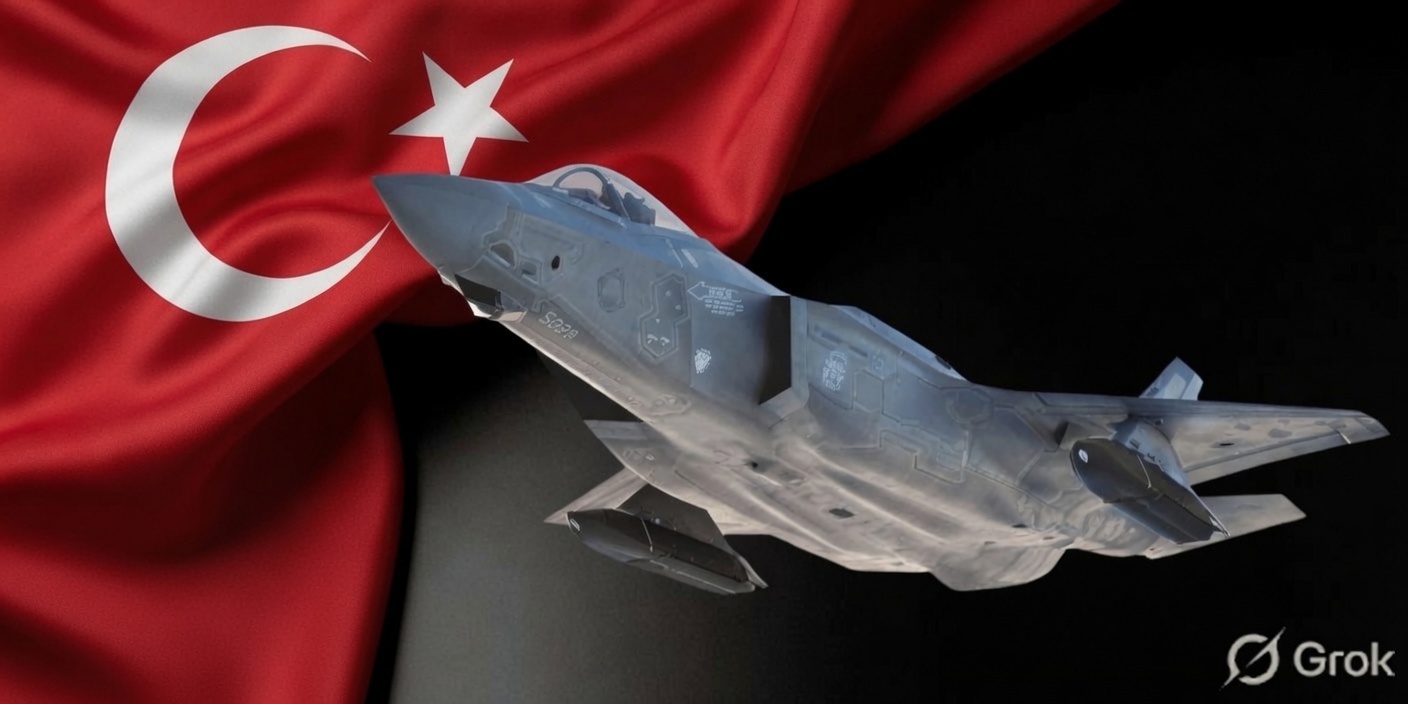
Turkey is making strides to divest itself of the controversial Russian-made S-400 air defense system, including exploring potential sales to third-party nations. Yet experts remain doubtful that this move alone will pave the way for Turkey’s reintegration into the F-35 program.
Potential Buyers for the S-400
Recent reports in Turkish media indicate that countries like Qatar and the United Arab Emirates (UAE) might be interested in purchasing Turkey’s S-400 systems. This initiative aims to persuade the United States to lift the Countering America’s Adversaries Through Sanctions Act (CAATSA) sanctions imposed due to Turkey’s acquisition of Russian defense technology. The Turkish Ministry of National Defense has confirmed that “multilateral work” is in progress, though details remain sketchy until tangible developments surface.
Despite Turkey’s original involvement in the F-35 program, with significant financial contributions, its purchase of the S-400 led to expulsion from the consortium and CAATSA sanctions. The primary concern was the risk posed to the sensitive stealth technology of the F-35 if both systems were in operation simultaneously. Turkey’s decision to procure the S-400 was largely driven by urgent security needs, given delays in acquiring NATO-compatible defense systems like the Patriot missiles. The geopolitical dynamics following the 2016 coup in Turkey further reinforced Ankara’s pivot towards Moscow.
Challenges Ahead for F-35 Acquisition
Even if Turkey successfully sells its S-400s, obstacles to acquiring F-35 jets remain considerable. Experts argue that simply transferring the S-400 to Qatar wouldn’t eliminate concerns regarding Turkey’s strategic compatibility with Western defense systems. Historically, U.S. lawmakers have established safeguards to prevent cosmetic solutions to the complex issues posed by Turkey’s defense strategy. Selling the S-400 is seen as a temporary fix rather than a comprehensive solution, potentially shifting the problem rather than resolving it.
Moreover, there are significant hurdles with U.S. congressional approval required to lift sanctions. Even if President Trump expresses optimism about F-35 sales to Turkey, the ultimate decision rests with Congress, which has been skeptical of Turkey’s reliability. The enduring risks arise not solely from the physical systems in Turkey, but from the sensitive information that may have been captured by Russian experts involved in setting up the S-400 systems.
The Role of Regional Dynamics
The geopolitical landscape complicates Turkey’s aspirations for the F-35 further. Both Israel and Greece have voiced concerns over Turkey’s acquisition of these advanced jets, fearing it would alter the military balance in the region. Israeli Prime Minister Benjamin Netanyahu has notably pushed against this prospect, emphasizing that such a sale could undermine Israel’s strategic advantages in the Middle East.
In summary, Turkey’s proposal to sell its S-400 systems represents a critical attempt to mend its standing within NATO and regain access to the F-35 program. However, multiple layers of political, strategic, and diplomatic challenges continue to loom. The fate of Turkey’s air defense capabilities, coupled with its complex relationships with both regional adversaries and the U.S., will dictate whether Ankara can successfully navigate this multifaceted predicament.