
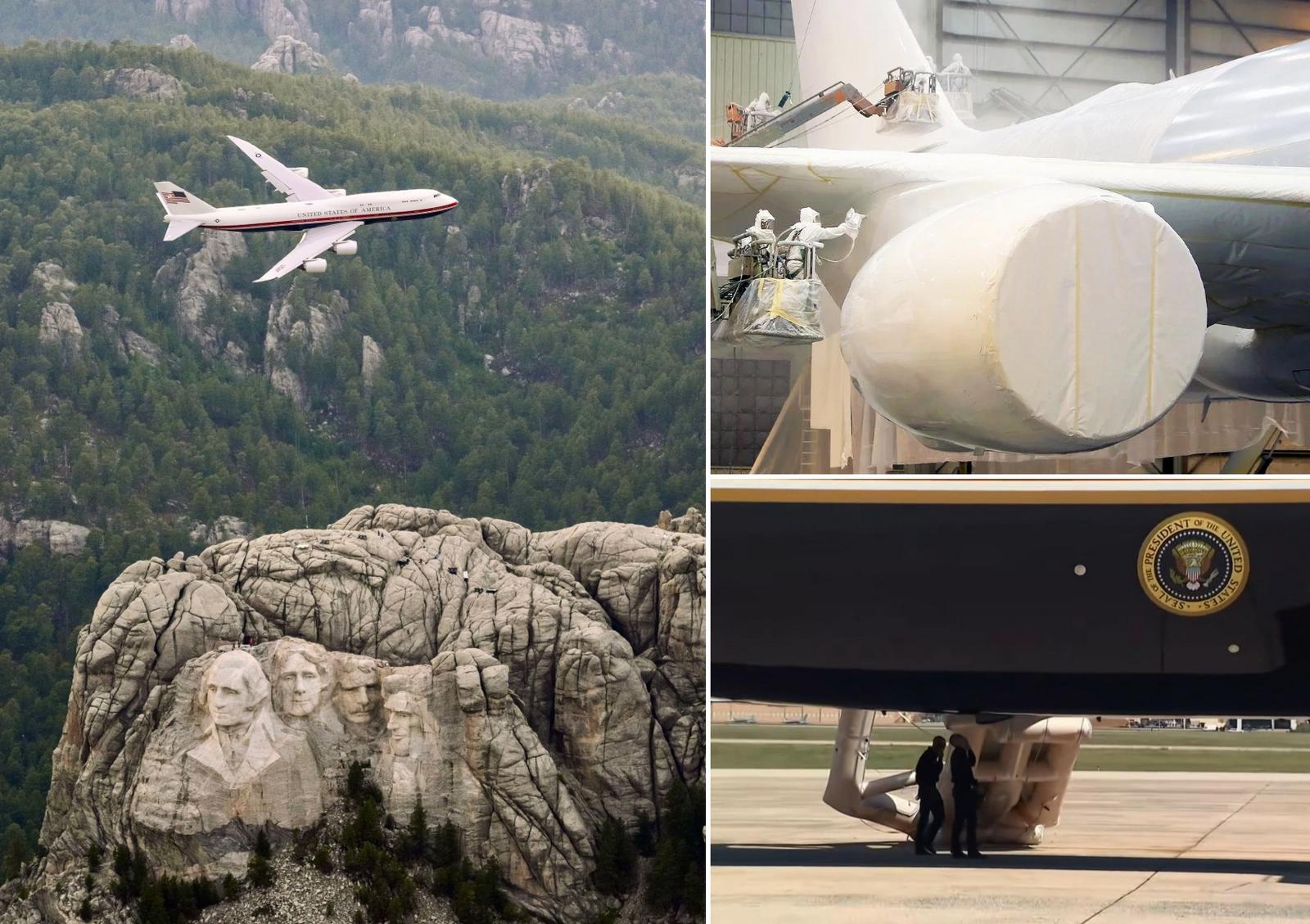
The Qatar-donated Boeing 747-8, known as the Bridge Air Force One, is facing a major operational transition just three months after its debut. Set for an extensive upgrade beginning in October, the aircraft will be grounded for several weeks to optimize its capabilities. This swift turnaround highlights the rapid preparations that enabled the plane to enter presidential service, and it will spend a notable amount of time oscillating between being operational and undergoing modifications.
Initial Transformation and Upcoming Modifications
The transformation of the Bridge Air Force One is remarkable, with L3Harris overseeing the aircraft’s rapid conversion from a civilian jet to a presidential transport in just ten months. This initial phase involved rigorous work that included the installation of advanced communications and mission systems. Now, as the aircraft prepares for its upcoming refit, L3Harris is well-positioned to manage these new upgrades, although Boeing may also play a crucial role in providing technical support.
The details surrounding the enhancements planned during the 60-day upgrade period remain under wraps. However, industry insiders suggest the focus will be on bolstering the aircraft’s defensive and situational awareness systems. Potential updates could include advanced infrared countermeasures and various safety sensors. While the communications suite is already robust, it may receive minor adjustments to enhance redundancy and performance. As with many military upgrades, specifics are kept confidential to maintain operational security.
Operational Timeline and Activity
Since entering service on July 1, the Bridge Air Force One has undertaken a range of significant missions. In September, the aircraft was utilized for a presidential visit to Ireland, showcasing its readiness for both domestic and international travel. This inaugural trip abroad illustrates not only the aircraft’s capabilities but also its immediate importance to presidential operations. Although it has been operational for merely 90 days, the aircraft’s journey to upgrade coincides with its expanding role in global engagements.
Despite its busy schedule, there have been minor operational challenges. For instance, soon before one of its September departures, a deployment incident involving an emergency evacuation slide caused a brief delay in boarding. Fortunately, the situation was promptly resolved, and the aircraft continued its flight as scheduled. Such occurrences highlight the intricate logistics involved in operating a plane of this caliber, even in its early days of service.
The Future of Bridge Air Force One
As the Bridge Air Force One enters its next phase of improvements, the aging VC-25A jets will continue to fulfill presidential duties. This dual aircraft operation speaks to the program’s unique design, which allows for enhanced presidential transport capabilities while a permanent solution is being developed. The subsequent modifications should not only prolong the aircraft’s life but also significantly augment its operational capacity.
In summary, the Bridge Air Force One’s swift transition from civilian aircraft to a high-level presidential transport exemplifies the U.S. government’s commitment to ensuring that its leaders are equipped with state-of-the-art tools for effective governance. With major upgrades scheduled and a busy operational history already established, the upcoming months will be crucial for this revamped aircraft as it continues to serve at the forefront of national and international engagements. As this pivotal enhancement process unfolds, the expectations and stakes are undoubtedly high for the future flying of this key asset.