
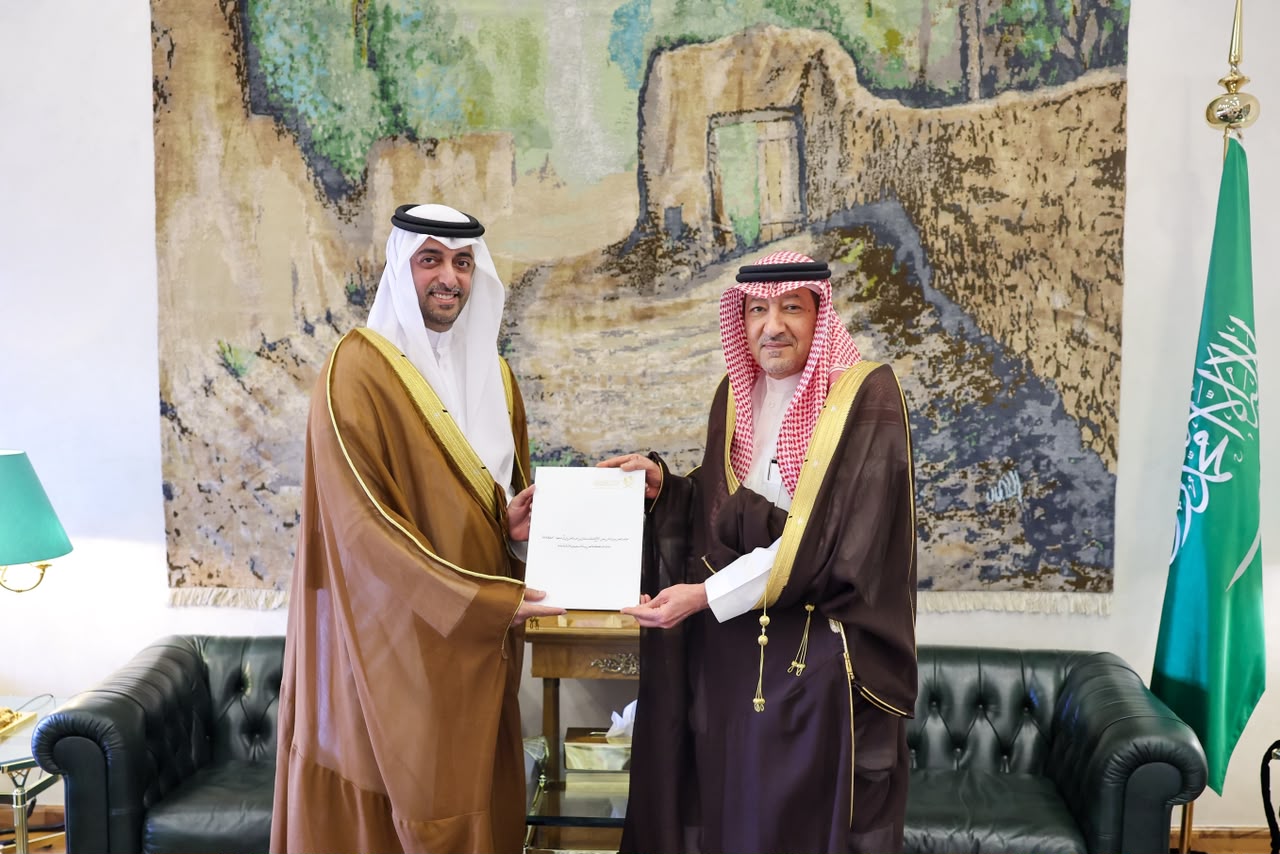
King Salman’s diplomatic relationships have recently taken center stage with a significant communication from the Emir of Qatar. This interaction underscores the importance of regional cooperation in the Gulf and highlights the ongoing dialogue aimed at enhancing bilateral ties.
Significance of Diplomatic Communication
Diplomatic messages between leaders serve as crucial instruments for fostering relationships between nations. In this instance, the written communication from Qatar’s Emir to King Salman reflects not just personal rapport but also broader regional dynamics. Such exchanges are vital in maintaining and strengthening ties, especially in a region marked by both collaboration and tensions. The efficacy of these communications lies in their ability to address pressing issues and promote stability.
Furthermore, the message may signify mutual interests that extend beyond mere political rhetoric. It can pave the way for discussions on trade, security cooperation, and cultural exchanges. These areas are critical for establishing a foundation for long-term partnerships and ensuring economic prosperity within the Gulf region.
The Role of Saudi Arabia in Gulf Cooperation
Saudi Arabia has historically played a leading role within the Gulf Cooperation Council (GCC). Its decisions significantly influence regional politics and economics, making its interactions with other GCC member states, including Qatar, particularly impactful. The Kingdom’s capability to be a stabilizing force is essential in addressing various conflicts and emerging challenges in the region.
Moreover, King Salman’s leadership style emphasizes dialogue and partnership, which are pivotal in navigating complexities such as energy markets, security frameworks, and labor mobility. Through effective communication with other leaders, like the Emir of Qatar, Saudi Arabia can position itself as a mediator and a key player in developing collective strategies that benefit the entire region.
Future Prospects for Saudi-Qatar Relations
The recent exchange of messages raises questions about the future trajectory of Saudi-Qatar relations. Following a period of diplomatic rifts, both nations appear to be moving toward reconciliation. This development could lead to enhanced collaboration in various sectors, including tourism, trade, and joint ventures in technology and education.
In addition to economic benefits, improving ties could have positive implications for regional security. In an era where geopolitical threats are multifaceted, a united front amongst Gulf countries is paramount. By working together, Saudi Arabia and Qatar can address shared concerns such as terrorism and maritime security more effectively.
Conclusion: A Step Toward Unity
In conclusion, King Salman’s receipt of a written message from the Emir of Qatar marks a critical step toward reinforcing bilateral relations. Engaging in open dialogues is essential for building understanding and cooperation, especially in a region characterized by its complexities. As both nations continue to explore avenues for collaboration, the potential for peace and stability in the Gulf becomes increasingly tangible. By prioritizing these initiatives, Saudi Arabia and Qatar can influence greater unity in the region, thereby fostering a more secure future for their citizens and neighboring countries.