
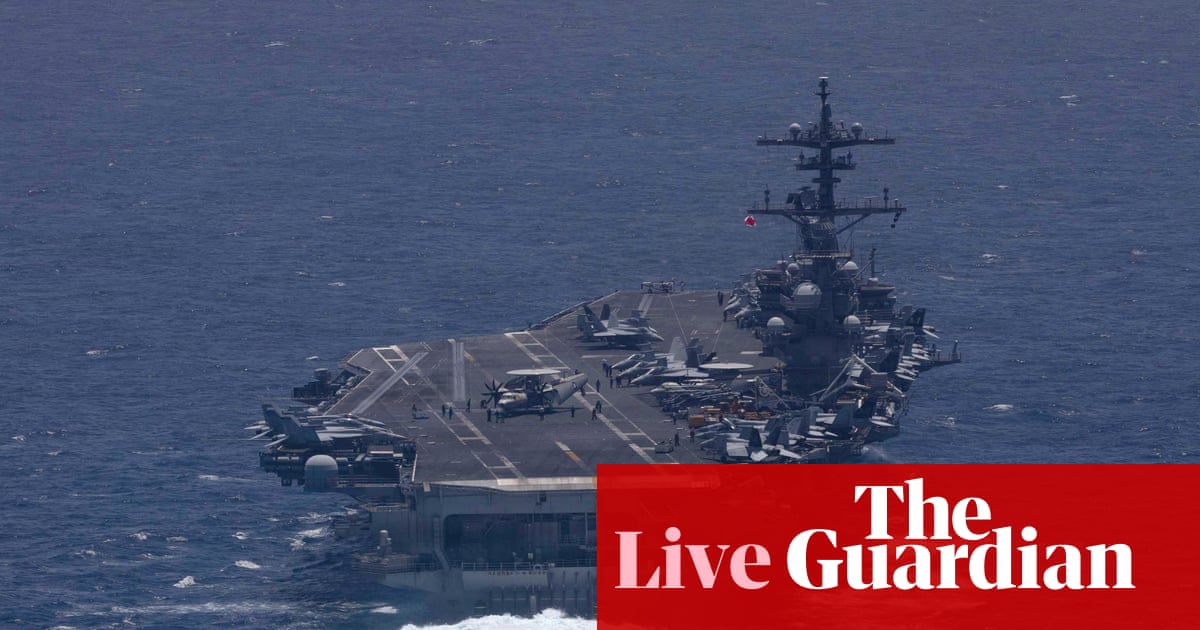
The ongoing conflict in the Middle East has escalated, drawing global attention. Recently, the United States targeted missile sites in southern Iran in a defensive action. This military engagement coincided with significant diplomatic discussions aimed at terminating the war, sparking concerns about the stability of ongoing negotiations.
US Military Actions Against Iran
On Monday, US forces conducted operations against missile installations in southern Iran and vessels allegedly laying mines. According to a spokesperson from US Central Command, these strikes were deemed necessary for the protection of American troops facing potential threats from Iranian forces. This military response further complicates an already precarious ceasefire that had been established on April 8, jeopardizing the progress made towards peace talks currently underway in Doha between Iranian diplomats and Qatari officials.
These developments unfold as Iranian negotiators, including their top diplomat, engage in discussions aimed at developing a potential framework for peace. The US military actions not only risk undermining these talks but also escalate tensions in the region.
Impacts on Diplomacy and Peace Efforts
In light of the recent conflicts, former President Donald Trump commented positively on the negotiations. He indicated that negotiations were progressing well but cautioned that new military actions could occur if these talks do not yield satisfactory results. He stated that any agreement must benefit all parties involved, emphasizing the critical stakes at play.
US Secretary of State Marco Rubio, currently in India, affirmed the necessity of keeping vital waterways like the Strait of Hormuz open, highlighting its importance to global trade and security. Rubio described the situation in Iran as unacceptable and urged collaborative efforts to achieve a sustainable resolution. He acknowledged that finalizing the language of any agreement could take additional time, signaling that optimism must remain cautious amid ongoing diplomatic efforts.
Broader Implications for Regional Stability
The consequences of military actions extend beyond diplomatic dialogues. Trump’s call for additional Middle Eastern nations to sign the Abraham Accords, aimed at normalizing relations with Israel, introduces further complexity to the negotiations. Countries such as Saudi Arabia and Qatar have been identified as essential signatories to enhance stability in the region. However, the prerequisite of a clear path for Palestinian statehood, a condition articulated by Saudi Arabia, complicates any potential agreements, suggesting that the broader regional dynamics must be carefully navigated.
In another notable response, Israeli Prime Minister Benjamin Netanyahu asserted intentions to combat Hezbollah’s influence in Lebanon, presenting a challenge to the delicate peace process as Tehran has demanded that any peace accords encompass fighting in Lebanon as well. Additional commentary from Iranian officials has highlighted the resilience of Hezbollah, indicating that the conflict remains far from resolution.
With these overlapping diplomatic and military maneuvers, the coming days will be critical in determining whether a balanced approach can be achieved to stabilize the region while addressing both security concerns and the broader geopolitical landscape.