
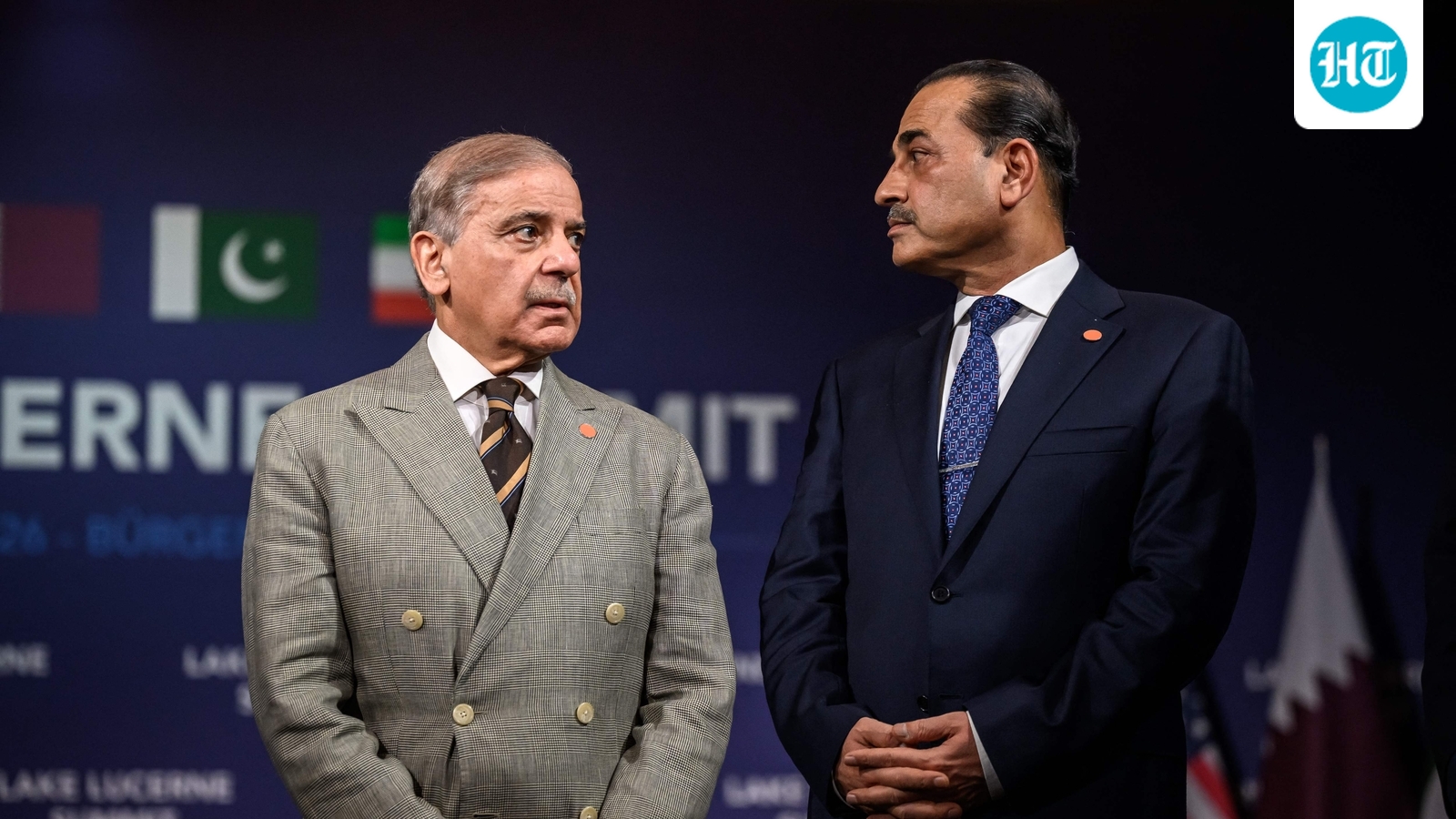
A recent statement by a retired U.S. General has stirred up controversy regarding the roles of Pakistan and Qatar in mediating U.S.-Iran relations. This intervention comes at a critical time when diplomatic efforts are being considered to resolve ongoing tensions in West Asia. The analyst, who is also a supporter of former President Donald Trump, raised concerns about the perceived biases of these mediators and their impact on U.S. diplomacy.
Allegations Against Pakistan and Qatar
Retired General Jack Keane, during an interview with Fox News, expressed his belief that both Pakistan and Qatar have historical ties favoring Iran, which could hinder effective mediation. His assertion suggests that their positions as intermediaries might not reflect an unbiased approach toward negotiating an end to hostilities with Iran. “It is well known in the Middle East region by our intelligence services, by all the players, that the Pakistanis and the Qataris are compromised,” Keane stated, emphasizing how this bias could mislead U.S. officials about Iran’s true intentions.
Concerns Regarding Saudi Arabia’s Influence
In addition to criticizing Pakistan and Qatar, Keane pointed fingers at Saudi Arabia for its perceived reluctance to support military action against Iran. He claimed that Riyadh has discouraged Washington from escalating military tensions and has even barred the U.S. from utilizing its airbases for potential operations. Keane remarked, “The Saudis are not willing to sacrifice to rid the Middle East region of Iran’s aggression,” indicating a clear hesitance on the part of Saudi leadership to engage aggressively in the conflict while expecting the U.S. and Israel to lead such efforts.
Moreover, he made it clear that the expectation is for the United States and Israel to bear the risks involved in confronting Iran, while Saudi Arabia has shown reluctance to commit substantial resources to this cause. This further complicates the geopolitical landscape, as it places additional pressure on U.S. forces but leaves the Saudi kingdom insulated from the brunt of potential conflict.
Trump’s Offer for Diplomatic Engagement
Amidst this tense backdrop, Donald Trump has offered to engage in what he terms a “last chance” dialogue with Iran, hinting at a desire to pivot from military confrontation to negotiations. He commented on the situation, saying, “I want to give them every last chance before decapitation.” The undertaking is part of a broader attempt to craft a diplomatic resolution as an alternative to military strike options.
Despite this, Iran has refuted claims of negotiating with the U.S., maintaining that its ongoing discussions with Oman are centered around improving maritime operations in the Strait of Hormuz. This adds an additional layer of complexity to the ongoing diplomatic chess game, as conflicting narratives emerge from both sides.
In summary, the criticisms leveled by General Keane raise important questions about the effectiveness of Pakistan and Qatar as mediators in U.S.-Iran relations, coupled with concerns about Saudi Arabia’s unwillingness to take decisive action. Trump’s latest diplomatic overtures signal a potential shift in strategy, although the actual efficacy of these negotiations remains highly uncertain. As the situation develops, it will be essential to monitor the implications for U.S. foreign policy in the region.