
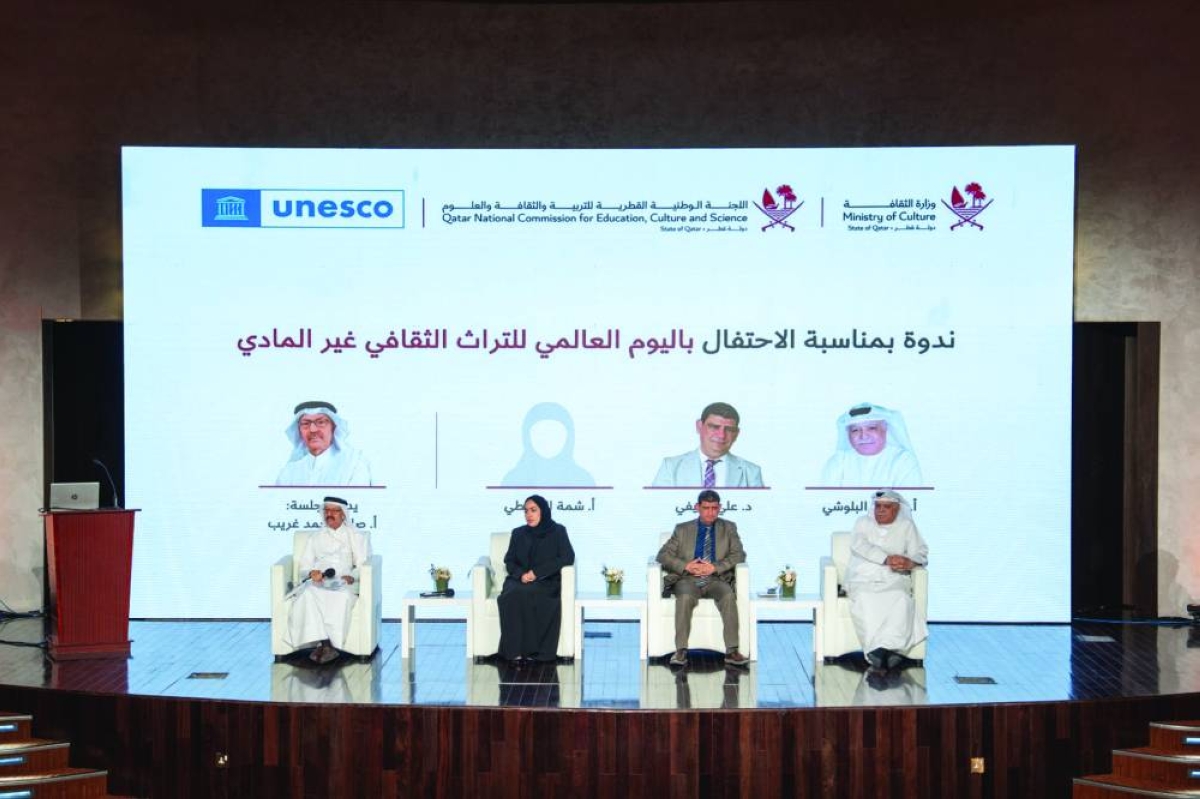
Qatar recently commemorated the International Day of Intangible Cultural Heritage on October 17, showcasing its rich traditions and cultural legacy. This occasion was marked by a variety of activities organized by the Ministry of Culture in partnership with the Qatar National Commission for Education, Culture, and Science, along with the UNESCO Regional Office in Doha.
Highlights of the Celebration
A key feature of the celebration was a captivating demonstration of Qatari Ardah, a traditional sword dance that highlights the nation’s heritage. Attendees were treated to an art and heritage exhibition that displayed traditional crafts, providing a glimpse into the artistry and skills passed down through generations. The event also celebrated local gastronomy by offering a selection of authentic Qatari dishes, allowing participants to savor the flavors that are integral to the culture.
In addition to live performances and culinary experiences, a documentary film was screened that focused on Qatar’s endeavors to document and preserve its intangible cultural heritage. This film emphasized the importance of safeguarding traditional practices and storytelling, which are vital components of the nation’s identity.
Commitment to Cultural Preservation
Sheikha Najla bint Faisal al-Thani, director of the ministry’s Heritage and Identity Department, commented on the critical significance of cultural heritage in Qatar. She emphasized that there is a strong belief in the need to preserve, document, and pass down cultural practices to future generations. This commitment reflects Qatar’s dedication to maintaining its unique identity amidst the rapid changes of modern society.
Salah Khaled, the UNESCO representative to the Gulf States and Yemen, praised Qatar’s initiatives aimed at protecting its intangible cultural heritage. He highlighted the country’s influence not only on a national scale but also throughout the Arab region and specifically the Gulf states. Khaled commended Qatar for its instrumental role in the successful inscription of “Bisht” as an element of intangible heritage, further solidifying its cultural significance.
Qatar’s Leadership in Cultural Heritage
The cultural heritage specialist at the Ministry of Culture, Hamad Saeed al-Baloushi, also noted the achievements made by Qatar in this field. He indicated that the country is leading a joint Arab initiative that resulted in the inclusion of “Arab Bisht” on UNESCO’s Representative List of the Intangible Cultural Heritage of Humanity during a recent meeting in India. This milestone not only signifies Qatar’s leadership role but also highlights the collaborative spirit among Arab nations in preserving their shared traditions.
Through various events, Qatar reaffirms its dedication to celebrating and safeguarding its intangible cultural heritage, ensuring that future generations can appreciate and understand their roots. The nation’s ongoing efforts exemplify an enduring respect for its cultural identity, making it a vital contributor to the cultural landscape of the Arab world and beyond.