
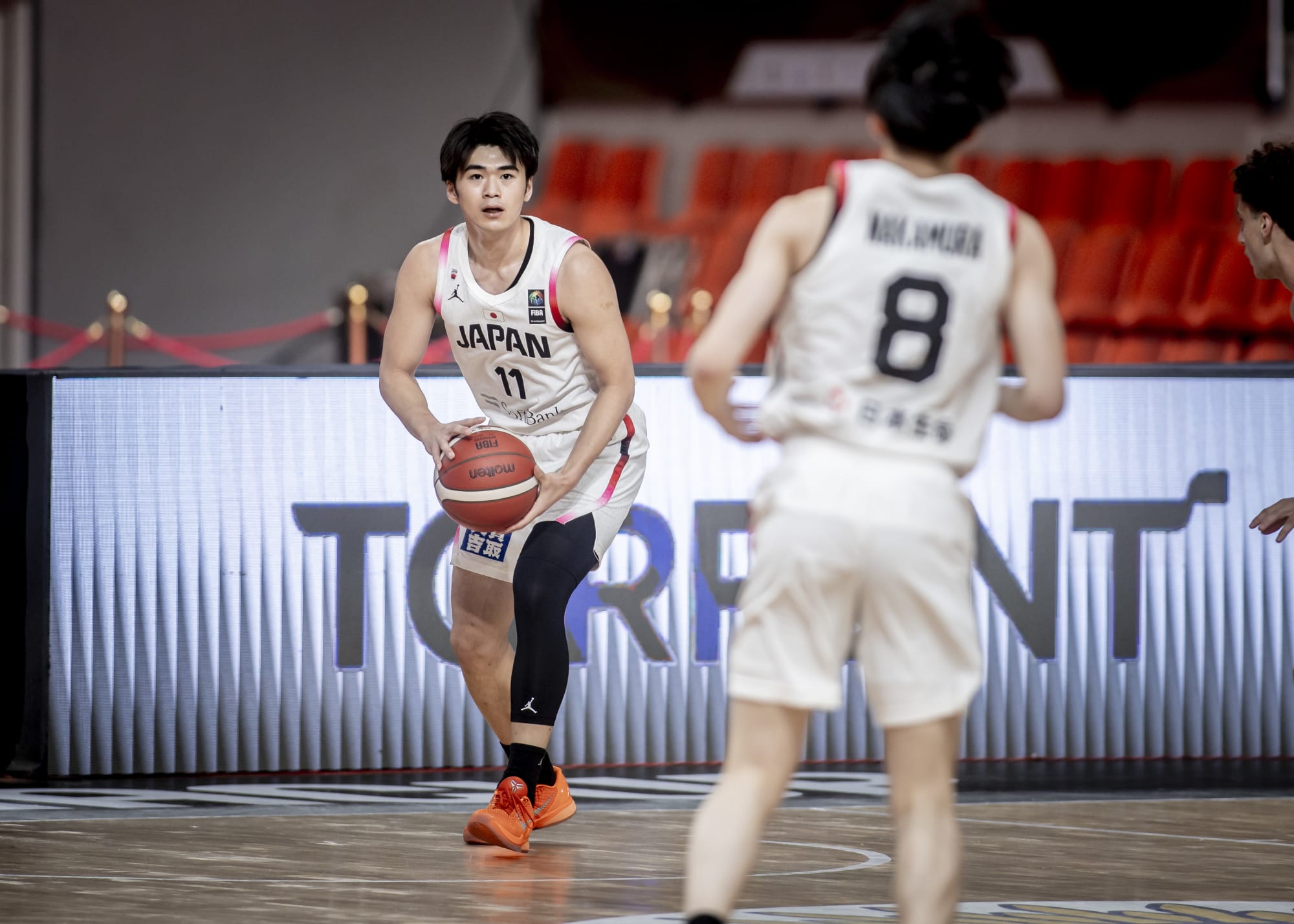
Japan triumphed over Qatar in a gripping encounter at the FIBA U18 Asia Cup 2026, advancing to the quarter-finals with a final score of 80-75. The match highlighted the stark contrast between team dynamics and individual performance, showcasing both the talents of standout players and the importance of a balanced team approach.
The Stellar Performance of Abdulla Mousa
Abdulla Mousa emerged as the focal point for Qatar, delivering a jaw-dropping performance by scoring 46 points. Yet, despite his remarkable individual efforts, he struggled to find consistent support from his teammates. This lack of collaboration ultimately hampered Qatar’s potential to secure a victory. Mousa’s scoring prowess reinforced his status as one of the tournament’s standout players, but in basketball, success often hinges on teamwork rather than individual talent alone.
Japan’s strategy revolved around a well-rounded offensive effort. Five players contributed significantly to the scoreline, providing a diverse array of scoring options that kept Qatar on its toes throughout the match. Cayman Tsuneoka led Japan with 19 points, demonstrating remarkable efficiency with a 7-of-9 shooting performance. Meanwhile, Aru Takahashi stepped up during crunch time, scoring crucial points that helped propel Japan to a solid lead.
A Team Effort that Paid Off
In stark contrast to Qatar’s reliance on Mousa, Japan exhibited a cohesive unit that capitalized on diverse skill sets. After a closely contested first half, it was evident that Japan’s offensive depth could prove decisive. After Mousa tied the game, Takahashi ignited an 11-2 scoring run, establishing a commanding 75-64 advantage with just over two minutes remaining. Qatar’s attempts to close the gap showcased Mousa’s shooting talents, but Japan’s collective effort proved insurmountable.
Other key performers for Japan included Alex McMillian, who contributed 11 points and 6 rebounds, and Yousef Hasan Thompson, who added 11 points, 5 rebounds, and 4 assists. This kind of scoring distribution is what made Japan’s victory particularly impactful, as it demonstrated that effective basketball relies on multiple contributors instead of a single scoring machine.
Qatar’s Journey and Challenges Ahead
With the defeat, Qatar concluded their campaign with a 1-3 record. Despite the outcome, Abdulla Mousa’s performance across the tournament was a silver lining, averaging 41.5 points in his last two games. His standout performance included a remarkable 37-point game against Sri Lanka, where he helped propel his team to the qualification stage. However, not securing a place in the quarter-finals reflects a continued challenge for Qatar, as they last made it to this stage in the 2018 tournament held in Thailand.
Mousa finished the tournament with an impressive average of 35.7 points over four games, underscoring his potential as a rising talent in international basketball. While individual brilliance is impressive, the performance against Japan highlighted an essential lesson: supportive teamwork is invaluable in the highly competitive arena of international sports.
As the tournament continues, basketball fans around the world will be eagerly anticipating the next stages, especially Japan’s upcoming match against New Zealand in the quarter-finals. The outcomes will undoubtedly shape the narrative of the FIBA U18 Asia Cup 2026, offering teams like Qatar an opportunity to reassess and rebuild for future tournaments.