
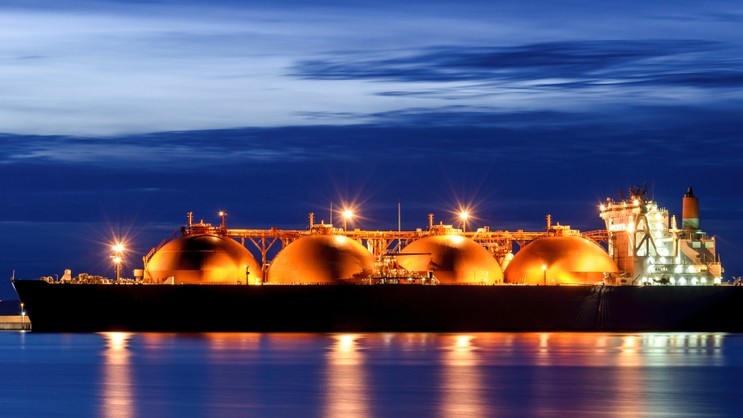
Pakistan is once again turning to the spot liquefied natural gas (LNG) market due to recent tensions in the Strait of Hormuz, resulting in the cancellation of a cargo from Qatar. This situation highlights the country’s urgent need for reliable energy sources amid escalating geopolitical tensions.
Pakistan Turns to Spot LNG Market
In response to the recent crisis, Pakistan LNG, a state-run entity, has issued a tender to secure an LNG cargo for delivery on July 15-16. This decision was necessitated after renewed hostilities disrupted the planned arrival of LNG from Qatar, which was initially set for this month. Traders familiar with the situation revealed that the cancellation was a direct consequence of heightened tensions in the region, specifically the Strait of Hormuz, which has historically been a crucial shipping route for LNG.
Pakistan has largely depended on Qatar for its LNG needs, securing deliveries under long-term contracts. However, the ongoing conflict and unrest since February 28 have severely impacted the flow of LNG through the Strait of Hormuz. This latest emergency tender indicates that Pakistan must look beyond its traditional sources and venture back into the fluctuating spot market.
Continued Disruptions and Supply Challenges
This isn’t the first emergency tender issued by Pakistan in recent months. The continuous disruption of maritime traffic through the Strait of Hormuz has compelled the nation to seek spot cargoes, indicating a troubling shift in its energy procurement strategy. Last week, Pakistan managed to buy its second spot LNG cargo in just as many weeks, further illustrating the sluggish recovery of liquefied gas exports from the Persian Gulf.
As of Thursday, there has been a significant slowdown in traffic through the Strait, with U.S. and Iranian forces engaging in strikes, escalating tensions further. The aftermath of these confrontations has resulted in a near standstill for vessels, jeopardizing Pakistan’s LNG supply chain. The country’s dependence on Middle Eastern LNG has led to severe energy challenges, particularly seen in March and April when LNG shipments were halted.
Impact of the Middle Eastern Conflict on Energy Security
The ongoing geopolitical situation has put immense pressure on Pakistan’s energy security. Over the years, Pakistan has relied heavily on Qatar’s LNG supplies, but the crisis has curtailed production and export capabilities from the Qatari side. The absence of these vital LNG shipments has exacerbated Pakistan’s energy situation, leading to power outages and fuel rationing throughout the nation.
The combination of military conflicts and logistical hurdles has thrust Pakistan into an intensifying energy crisis. This scenario underscores the vulnerabilities of reliant energy infrastructure on geopolitical stability, making Pakistan’s energy sector’s future uncertain. The looming question remains: how will Pakistan navigate its energy challenges in the face of ongoing regional instability?
In conclusion, Pakistan’s reliance on spot LNG purchases amidst fluctuating geopolitical conditions underscores the fragile nature of its energy security. With factors beyond its control influencing supply routes and availability, Pakistan must explore diverse and sustainable energy solutions to mitigate these challenges moving forward.