
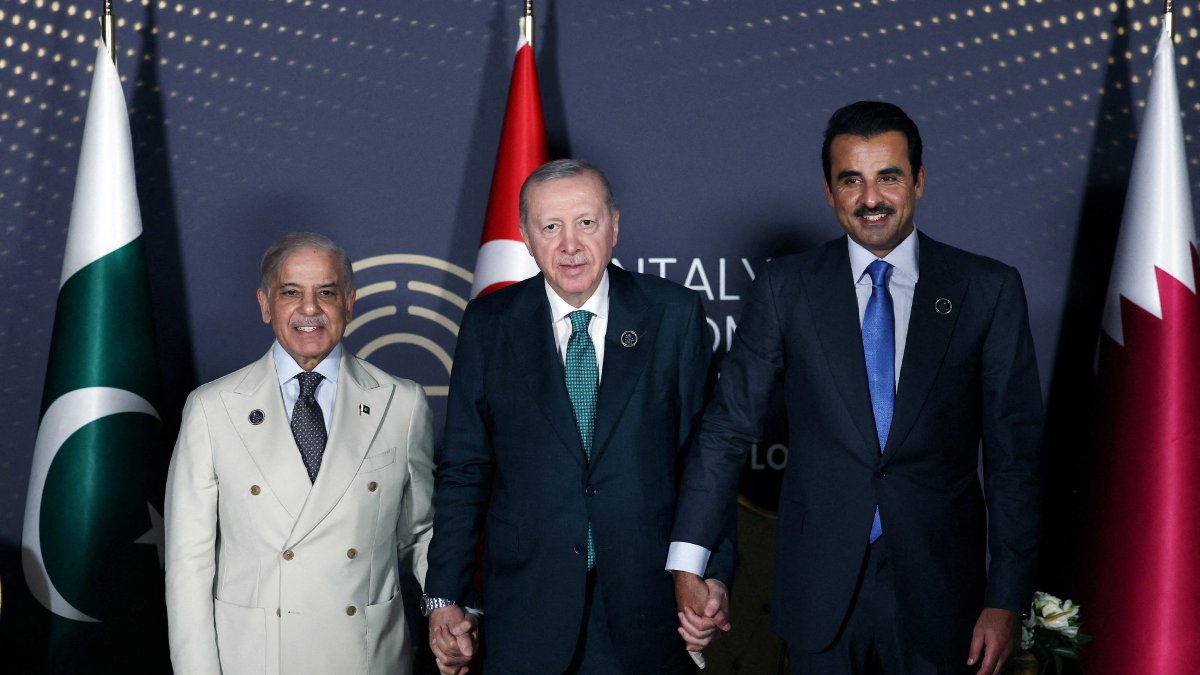
Pakistan’s Defense Minister Khawaja Asif recently indicated that the nation may broaden its strategic mutual defense agreement with Saudi Arabia to potentially include Türkiye and Qatar. This development reflects a growing collaboration among key regional players, aimed at enhancing stability and security.
Existing Partnerships and Strategic Goals
Islamabad entered into a defense agreement with Riyadh in September 2025, marking a significant step in its diplomatic relations within the Gulf region. According to Asif, this agreement lays the groundwork for future endeavors. As he stated, incorporating Qatar and Türkiye into the pact would signify a positive shift, promoting economic and defense cooperation while reducing external dependencies. This initiative is seen as a pathway to establish a stronger cooperative framework among nations with shared interests in regional security.
Asif noted, “This agreement does not counter anyone, and it is ultimately for peace.” His emphasis on maintaining peace highlights the primary objective behind the potential expansion of the treaty. By fostering alliances, these nations aim to minimize reliance on external parties, which can often complicate geopolitical dynamics. The importance of achieving stability in the region cannot be overstated, especially in light of recent global tensions.
The Role of Türkiye in Regional Security
Türkiye’s existing relationship with Pakistan is robust, and there has been a notable enhancement in its ties with Saudi Arabia over recent years. Foreign Minister Hakan Fidan affirmed that discussions regarding a trilateral defense pact involving Saudi Arabia and Pakistan are ongoing. Given the current geopolitical landscape—particularly the escalating tensions due to incidents like the U.S.-Israel-Iran conflict—such an alliance seems imperative for regional defense.
In addition to military cooperation, Türkiye, Pakistan, Jordan, and other Gulf countries are reassessing their security strategies in light of these evolving challenges. Türkiye is emerging as a pivotal partner in bolstering defense capabilities and advancing military collaboration. The strategic vision shared by these nations could reshape the existing security framework and provide a more robust response to external threats.
Future Implications and Regional Stability
Fidan also acknowledged that increasing tensions in the region would likely drive Gulf countries to reconsider their policies, especially in terms of security and defense industries. This potential shift could lead to innovative solutions and collaborative frameworks that enhance mutual defense capabilities among these nations.
As regional players continuously adapt to changing geopolitical landscapes, their ability to forge strong, cooperative alliances will be essential for long-term stability. By including countries like Türkiye and Qatar in their defense framework, Pakistan and Saudi Arabia are strategically positioning themselves to navigate the intricacies of contemporary international relations.
The ongoing dialogue and collaboration among these states signal a remarkable evolution in Middle Eastern dynamics. Countries that are willing to come together under a shared vision for defense and economic cooperation stand to strengthen not just their bilateral ties but the entire region’s security architecture. This initiative could pave the way for a more stable and prosperous future in the Gulf and beyond.