
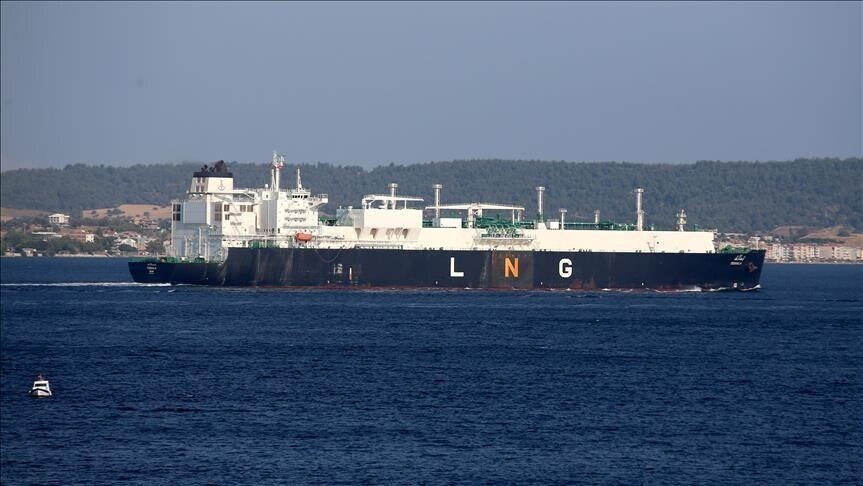
Pakistan is currently in urgent negotiations to secure a shipment of liquefied natural gas (LNG) as tensions escalate in the Strait of Hormuz, leading to a significant decrease in maritime traffic. This move reflects the country’s growing unease concerning its energy supply in light of recent hostilities in the region.
Pakistan’s LNG Tender Initiative
State-owned Pakistan LNG Limited has taken action by issuing a spot tender for the purchase of LNG. The tender specifies a delivered ex-ship contract, with expected delivery dates set for July 15-16. This information was disclosed through a notice disseminated by the country’s Public Procurement Regulatory Authority. The urgency of the tender, referenced as PLL/IMP/LNGT74, was initiated on Thursday and is set to close on Friday.
Impact of Regional Instability
The decision to pursue this tender comes after recent attacks against vessels in the vital Strait of Hormuz, coupled with countermeasures taken by the United States against Iran. These events have disrupted shipping operations in this crucial maritime corridor, which is essential for LNG and oil exports from the Gulf. The situation underscores Pakistan’s vulnerability to supply disruptions originating from the Strait of Hormuz, a significant transit route for energy needs.
Dependence on Gulf LNG Imports
Pakistan’s reliance on LNG imports, particularly from Qatar under long-term agreements, means that any disturbances in Gulf shipping could have serious implications for the country’s energy security. This dependency poses challenges, particularly during times of geopolitical tensions, as disruptions could lead to increased challenges in meeting the domestic demand for gas in both power and industrial sectors.
Securing Energy Supply
As geopolitical instability continues to affect the Strait of Hormuz, Pakistan is compelled to act swiftly to secure alternative energy supplies. By proceeding with this tender, Islamabad aims to mitigate the risk of potential gas shortages that could arise from prolonged disruptions to its energy supply chains. Ensuring a steady flow of LNG is essential not only for meeting immediate consumption but also for sustaining economic stability.
In conclusion, Pakistan’s proactive approach to securing LNG amidst rising tensions in the region highlights the nation’s critical need for consistent energy supply and its vulnerability to global events. As it navigates these challenges, the government’s efforts to secure alternative sources will be vital in maintaining energy security and economic resilience.