
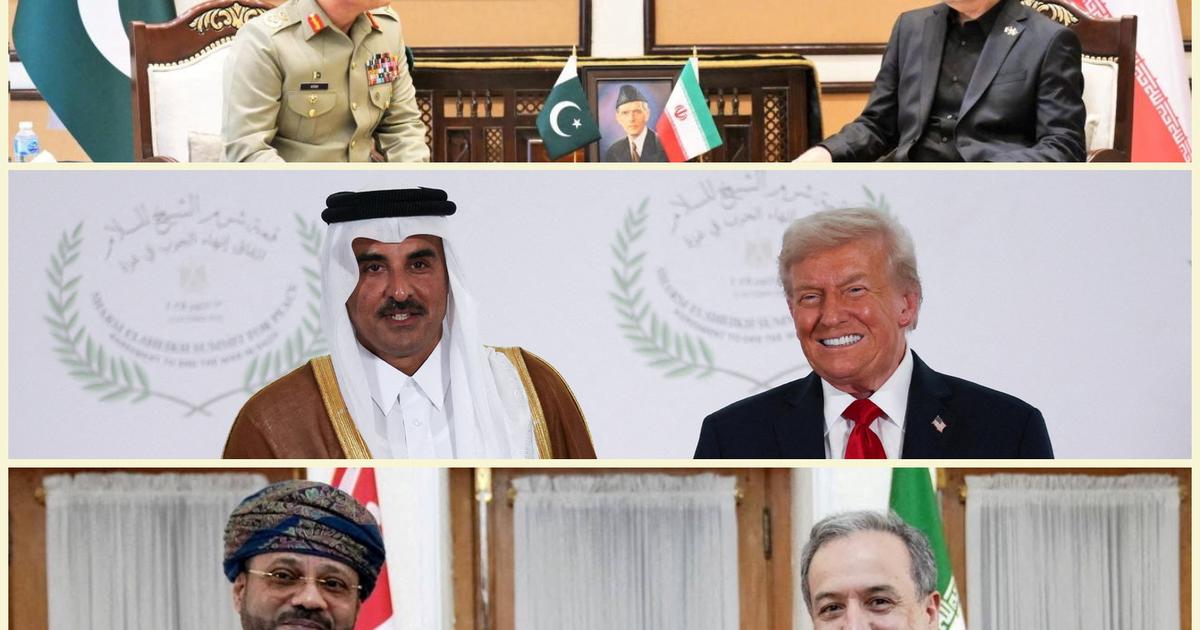
The ongoing conflict in the Middle East has significant repercussions for regional economies, especially for those relying heavily on energy exports. Qatar, renowned for its vast liquefied natural gas (LNG) resources, finds itself in a precarious position with its energy trade being disrupted. While the disputes rage on, the dynamic ways in which countries navigate these challenges reveal their respective vulnerabilities and motivations.
Qatar’s LNG Challenges
Qatar has firmly established itself as a leader in the global LNG market, accounting for nearly 20% of the world’s exports. However, since the onset of conflict, the country’s ability to ship LNG through the Strait of Hormuz has come under serious threat, particularly after Iran effectively restricted access to this crucial waterway. The interruption of shipments poses an existential risk to Doha’s economy, which heavily relies on these energy sales.
Experts highlight that LNG tankers are particularly vulnerable due to their flammable nature and complexity, making them less appealing to risk in a hostile environment. Robin Mills, a noted energy policy analyst, emphasizes that Qatar’s reluctance to send these costly vessels through the strait reflects a desire to safeguard its economic lifeline. Furthermore, the discussions around alternative pipelines have been deemed impractical for transporting LNG, leading Qatar’s government to halt any pursuit of substitute routes.
With its economy heavily bound to regional stability, Qatar has a pressing incentive to facilitate dialogue between Tehran and Washington. Alex Vatanka of the Middle East Institute points out that Qatar’s future hinges on its geographical position and the ongoing hostilities in the region. The Emirate’s mediating role appears driven not by a preference for Iranian relations but by sheer necessity to maintain stability and economic viability.
Pakistan’s Energy Dilemmas
In contrast, Pakistan grapples with its own set of vulnerabilities due to reduced LNG availability from Qatar. The nation is now contemplating the procurement of more expensive fuel alternatives, an unsustainable solution that could lead to frequent blackouts and other energy crises. Rabia Akhtar from the University of Lahore observes that the stakes are high for Islamabad, which cannot afford to remain disengaged from this conflict.
The nation, though not directly attacked, recognizes the wider dangers of escalating tensions. Akhtar notes that an aloof stance—believing “it’s not my war”—provides little assurance of safety. As a neighboring country, Pakistan stands to suffer the ramifications, thus compelling it to take proactive measures to secure its energy future.
The Resilient Case of Oman
Conversely, Oman presents a different narrative. The Sultanate’s oil and gas exports continue to flow steadily, showcasing resilience amidst regional turmoil. Despite occasional strikes by Iran and threats from U.S. officials, Oman has managed to maintain its economic stability. The country engages in a delicate balancing act, navigating pressures from both regional powers and the United States, as reflected in the way it approaches its mediator role.
Oman’s ongoing interactions with Iran, even under economic sanctions, highlight a strategic choice aimed at sustaining its operational capacities. The U.S. has urged Oman to sever its financial ties with Iran, but Muscat appears determined to preserve its economic interests and regional relationships, demonstrating a pragmatic approach amidst uncertainties.
The interconnectedness of these countries’ economies amidst conflict underscores the importance of diplomacy and strategic energy partnerships. As Qatar, Pakistan, and Oman each navigate their distinct challenges, the balance of power and economic stability in the region remain deeply intertwined with the ongoing dynamics of conflict and diplomacy.