
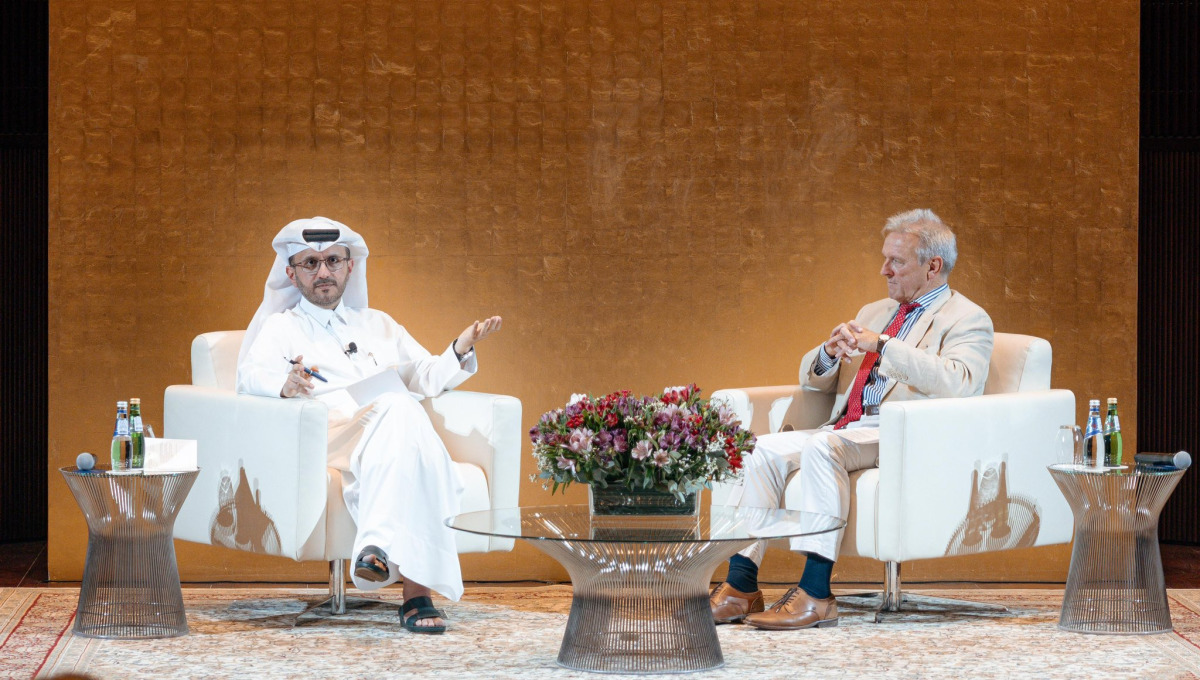
In recent discussions surrounding security in the Gulf Cooperation Council (GCC) region, Dr. Majed bin Mohammed Al Ansari, Adviser to the Prime Minister of Qatar and Spokesperson for the Ministry of Foreign Affairs, emphasized the urgency of enhancing resilience, preparedness, and national capabilities. His remarks were made during a seminar titled “GCC Security: Alliances, Threats, and Strategic Choices,” organized by Georgetown University Qatar’s Center for International and Regional Studies.
Evolving Security Landscape in the GCC
Dr. Al Ansari explored the shifting security dynamics within the GCC and underscored the critical role of alliances and international partnerships. He indicated that adhering to international law and utilizing multilateral frameworks are essential for effectively tackling new security challenges. The landscape, marked by complex threats, calls for a cohesive strategy that prioritizes collective readiness and strong partnerships with other nations. This includes not only responses to immediate threats but also proactive measures that will strengthen regional stability in the long term.
Importance of Dialogue in Regional Relations
In his conversation, Dr. Al Ansari stressed that maintaining open channels of communication with neighboring countries, particularly Iran, is vital for managing potential conflicts. He advocated for increased regional dialogue as a tool for addressing differences and cultivating stability in the area. By fostering constructive exchanges, GCC nations can build trust and understanding, contributing to a more harmonious regional environment. This emphasis on dialogue serves as a cornerstone for mitigating risks and navigating the intricacies of international relations in the Gulf.
Strengthening GCC Cohesion
Reflecting on the recent crises that have affected the region, Dr. Al Ansari noted a growing sense of cooperation and unity among GCC member states. The challenges they faced have fostered stronger coordination across various domains. Through collaborative efforts, these nations are not only addressing immediate security concerns but also solidifying their collective economic and strategic interests. This enhanced cohesion is crucial for building a resilient security architecture that can effectively respond to current and future threats.
The Role of Mediation in Regional Stability
Reiterating Qatar’s commitment to mediation, Dr. Al Ansari affirmed its significance in enhancing regional security. He explained that mediation should focus on bringing conflicting parties together and facilitating understandings, rather than assuming responsibilities such as reconstruction or guaranteeing peace. Qatar’s ongoing efforts to serve as a mediator underline its dedication to dialogue and conflict resolution, thereby reinforcing its role as a stabilizing force in a tumultuous region.
The session concluded with an engaging discussion where Dr. Al Ansari addressed a variety of questions about regional security, GCC collaboration, Qatar’s foreign policy, and its mediation strategies. The insights gathered during this interactive segment highlighted the complexities and nuances of navigating security in the GCC, ultimately reinforcing the need for a united and proactive approach to current and emerging challenges across the region.