
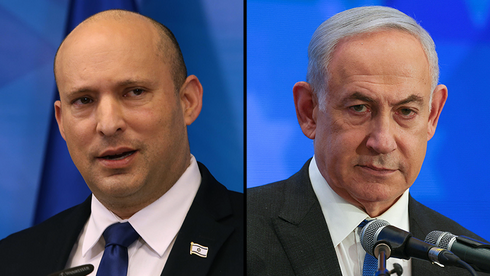
Israel’s political landscape is heating up as a critical upcoming election approaches. Central to the debates is the relationship with Qatar, which has recently become a topic of contention among Israeli leaders. Naftali Bennett, head of the Beyachad party, is urging Prime Minister Netanyahu to formally label Qatar as an “enemy state” during his anticipated speech at the United Nations.
Demand for Action Against Qatar
Bennett’s push for action comes on the heels of the impending third anniversary of the tragic Oct. 7 massacre, an event that claimed 1,200 lives and left many others wounded. Bennett sees this moment as an urgent opportunity for Israel to seek justice, asserting that global attention is now focused on the nation. He argues that declaring Qatar an enemy would send a strong message worldwide. “We have a chance to deliver historic justice,” he stated, emphasizing the need for accountability for those affected by the massacre.
During this call to action, Bennett also expressed intentions to submit what he claims is evidence of Qatar’s involvement in the events of October 7, detailing links to Hamas’s terrorist operations. He is adamant that “Qatar funded the massacre,” reiterating that the nation not only supported these actions but also celebrated them. The accusation isn’t without its controversies; Qatar has traditionally positioned itself as a mediator in the ongoing Israel-Hamas conflicts, presenting a complex diplomatic picture.
The Political Countdown
Bennett’s accusations are set against a backdrop involving the “Qatargate” investigation, which explores alleged corrupt ties between prominent figures in Netanyahu’s administration and Qatari interests. With elections looming just a month away, the stakes are incredibly high for both Bennett and Netanyahu. Reports indicate that Netanyahu was aware as early as 2019 of the back-channel funding that potentially bolstered Hamas’s military capabilities, highlighting ongoing debates over Israel’s policy toward its neighbors.
According to investigations, nearly half of Hamas’s operational budget reportedly stemmed from Qatari funds, which were supposedly funneled into Gaza with the Israeli government’s approval. Despite warnings from Egypt, Netanyahu did not alter the course, a political maneuver that has drawn scrutiny and criticism. Notably, while Netanyahu has frequently voiced explicit criticism of Qatar’s actions, he has refrained from making a formal declaration categorizing it as an enemy state.
Netanyahu’s Moment of Truth
Bennett’s declarations bring new pressure to Netanyahu, especially as he prepares for his address at the UN. This speech will serve as a litmus test for Israel’s current leadership, with Bennett asserting that expectations should not just be lofty rhetoric but concrete actions, specifically the formal labeling of Qatar as an enemy. “This is the moment of truth,” he declared, insisting that the absence of such a designation allows Qatar to maintain its influence over Gaza, indirectly aiding Hamas in its militarization strategies.
The implications of this discourse are far-reaching, potentially reshaping the public’s perception of Qatar’s role in the region and influencing voter sentiments ahead of the elections. Bennett argues that without decisive action, Qatar remains a critical enabler for Hamas, fostering an environment for future attacks.
In his closing remarks, Bennett made it clear that the time for decisive action is now. “That is a grave failure,” he cautioned, summing up a sentiment resonating through Israel’s political corridors as the nation grapples with its ongoing regional challenges and the path forward.