
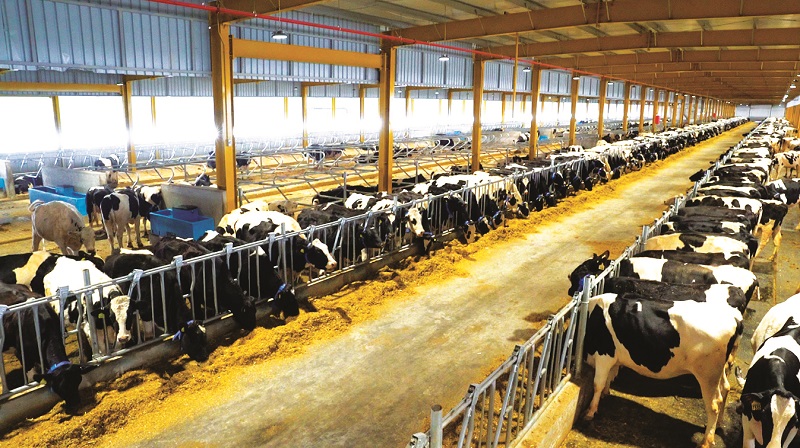
Qatar is amplifying its focus on enhancing food security through innovative agricultural practices and sustainable farming methods. Recently, the Ministry of Municipality announced that local production is fulfilling an impressive 99% of the nation’s needs for fresh poultry and dairy products, marking significant progress in the country’s food self-sufficiency.
Initiatives to Boost Local Food Production
Ahead of World Food Day on October 16, the Ministry of Municipality outlined a series of initiatives aimed at increasing local food production, safeguarding natural resources, and minimizing the environmental footprint in alignment with Qatar’s National Food Security Strategy 2030. Current self-sufficiency indicators reveal that domestic efforts also meet 67% of the demand for fresh fish and 47% for essential vegetables, highlighting a shift toward self-reliance.
To elevate local agricultural output, Qatar is implementing efficient food production systems. This includes the establishment of 96 hectares of cooled greenhouses aimed at boosting productivity by 30%. Other innovative strides involve the adoption of advanced fish farming techniques, smart irrigation systems, and the use of alternative energy sources, all while enhancing biosecurity for both plant and animal life.
Strengthening Food Supply Chains
In a bid to fortify food supply chains, Qatar is adopting digital management strategies to oversee strategic reserves and early-warning systems designed to address potential supply disruptions. Investments are also being made in green food production and refrigerated supply networks to ensure that food remains accessible, fresh, and safe for consumption.
Moreover, a national program dedicated to minimizing food loss and waste is part of a broader strategy to optimize efficiency within the food sector. Digital platforms will play a pivotal role in licensing and project monitoring, thereby streamlining operations and encouraging responsible consumption.
Research and Innovation in Agricultural Practices
The Ministry’s Agricultural Research Department has made significant advancements in bio-based farming techniques, experimenting with mycorrhizal fungi to enhance crop growth. Initial trials indicate a 10% improvement in plant growth and productivity when compared to traditional farming methods, along with enhancements in soil health and a reduced dependence on chemical fertilizers.
The combination of biological farming practices and modern techniques—such as vertical and hydroponic farming—offers promising potential to effectively utilize water and other resources. These approaches are particularly valuable in adapting local farms to Qatar’s challenging desert climate, fostering a more resilient and sustainable agricultural framework.
In conclusion, the Ministry emphasizes that ensuring food security involves not only boosting production but also embracing farming practices that are environmentally responsible. This balanced approach aims to meet the needs of both current and future generations while preserving vital natural resources.