
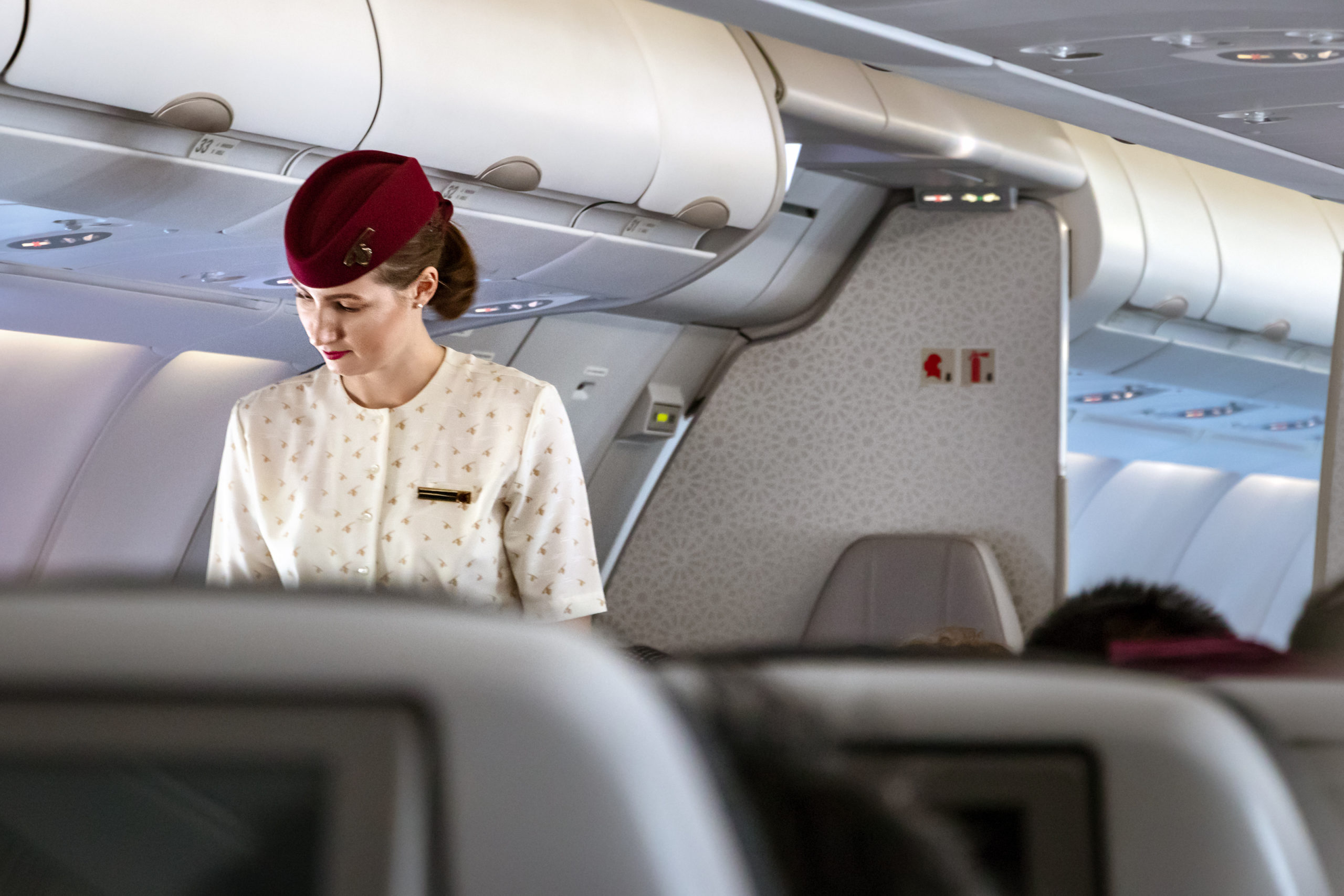
Flight attendants at Qatar Airways are reportedly engaging in a significant mass sickout, driven by dissatisfaction over the absence of annual bonuses. This growing unrest highlights the complex relationship between workers’ rights and employment laws in Qatar, a country with strict regulations concerning labor actions.
The Severity of a Mass Sickout in Qatar
In many nations, mass sickouts are often regarded as a legitimate form of protest; however, in Qatar, such actions may have dire consequences. Labor unions are banned, strikes are illegal, and protests can lead to serious repercussions. Despite recent reforms intended to improve labor conditions, the workforce remains largely vulnerable, especially for expatriates who are still subject to the remnants of the Kafala system that heavily restricts their mobility and job security.
Growing Frustration Among Qatar Airways Cabin Crew
Since late May, tensions have escalated among Qatar Airways employees after the state-owned carrier revealed that it would not distribute profit-sharing bonuses, even after reporting a substantial annual profit close to $2 billion. The airline justified its decision, citing ongoing challenges posed by the crisis in the Persian Gulf and the need to prioritize long-term stability over short-term financial rewards. Such explanations seem inadequate to a workforce facing increased financial pressure, especially when salaries at Qatar Airways are partially composed of flight allowances and layover per diems.
The contrasting actions of competitor Emirates, which recently awarded its staff bonuses equivalent to about 20 weeks of base pay, further fueled frustration among Qatar Airways employees. Many workers face lower earnings as the airline operates at only 55% of its pre-crisis schedule, leading to heightened dissatisfaction over pay and working conditions.
Historical Context of Labor Rights at Qatar Airways
The labor environment at Qatar Airways has long been contentious. Under the leadership of former CEO Akbar Al Baker, employees were subjected to strict regulations, including curfews and limitations on social media use. This environment attracted considerable scrutiny from human rights organizations. In 2023, however, a change in leadership brought some hope for improved labor conditions. Badr Al Meer, who succeeded Al Baker, promised to foster a culture built on trust and empowerment, easing some restrictions placed on cabin crew.
Despite this initial optimism, Al Meer’s tenure was short-lived, giving way to Hamad Ali Al-Khater, whose intentions for employee welfare remain unclear. The abrupt leadership changes have raised doubts about the future of worker protections and reforms at the airline.
The Uncertain Future for Qatar Airways Cabin Crew
The current sickout, the first of its kind at Qatar Airways, signifies a pivotal moment in employee action against the airline’s policies. Although participation in this protest might come with risks, it reflects a deeply rooted dissatisfaction with working conditions and management decisions. Reports indicate that around 130 flights have experienced delays at Hamad International Airport, highlighting the impact of this unrest.
The situation remains fluid, and the airline has yet to respond to inquiries regarding employee actions. As cabin crew continue to navigate the challenges of their working environment, the broader implications for labor rights in Qatar are increasingly coming to light, posing questions about the potential for change in an authoritarian context.